
Weinberg’s and Korngold’s Legacy Heading to Cannes
Weinberg’s and Korngold’s Legacy Heading to Cannes
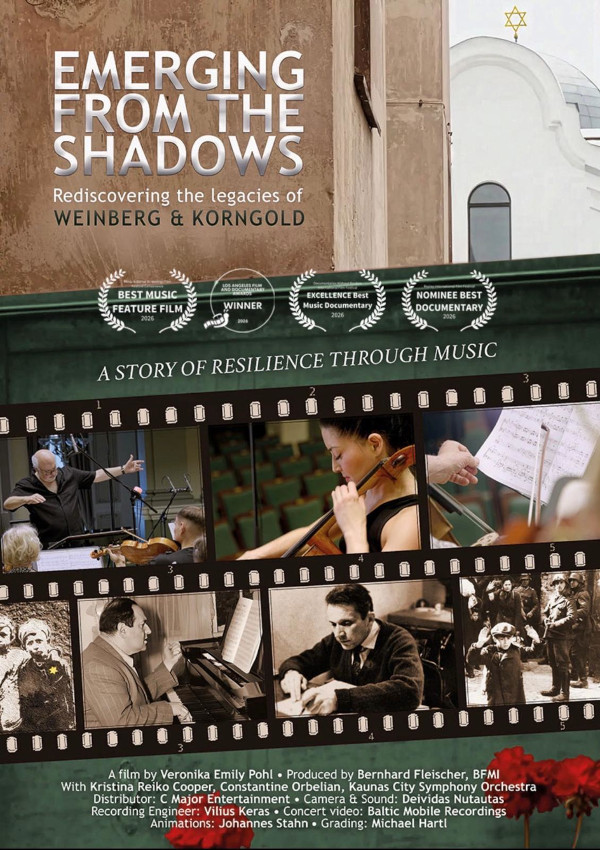 The film Emerging From the Shadows: Discovering the Legacies of Weinberg & Korngold has been chosen a finalist for Best Documentary Film at the annual French Riviera Film Festival, which will take place in Cannes on May 15 and 16.
Directed by Veronika Emily Pohl, the film is featuring the artistry of the world-renowned cellist Kristina Reiko Cooper and the Grammy-nominated Constantine Orbelian, the music director and principal conductor of the New York City Opera. This powerful cinematographic journey is dedicated to two historically overlooked great composers, Mieczysław Weinberg and Erich Wolfgang Korngold.
Erich Wolfgang Korngold (1897-1957), born in Brünn, Austria-Hungary, is considered to be one of the founders of Hollywood film music. Mieczysław (Moyshe) Weinberg (1919-1996), born Warsaw, Poland, was one the most prominent Soviet composers whose two cycles of Jewish songs were created entirely to Yiddish lyrics by Yitskhok Leybush Peretz and Samuel Halkin.
Emerging from the Shadows premiered in New York on April 15, 2026. The event drew an esteemed audience of cultural tastemakers, members of the international arts community, prominent media, and New York public figures, underscoring the film’s significance within both cinematic and musical circles.
At the heart of the documentary, produced by Bernhard Fleischer Moving Images GmbH (BFMI), is Kristina Reiko Cooper alongside with Constantine Orbelian performing Weinberg’s and Korngold’s works with the Kaunas City Symphony Orchestra in Lithuania. The director, Veronika Emily Pohl, known for her work with ZDF/Arte, SONY Classical, and Deutsche Grammophon, describes the film as “a journey through artistry, history, and identity – honoring two composers whose voices refused to vanish.”
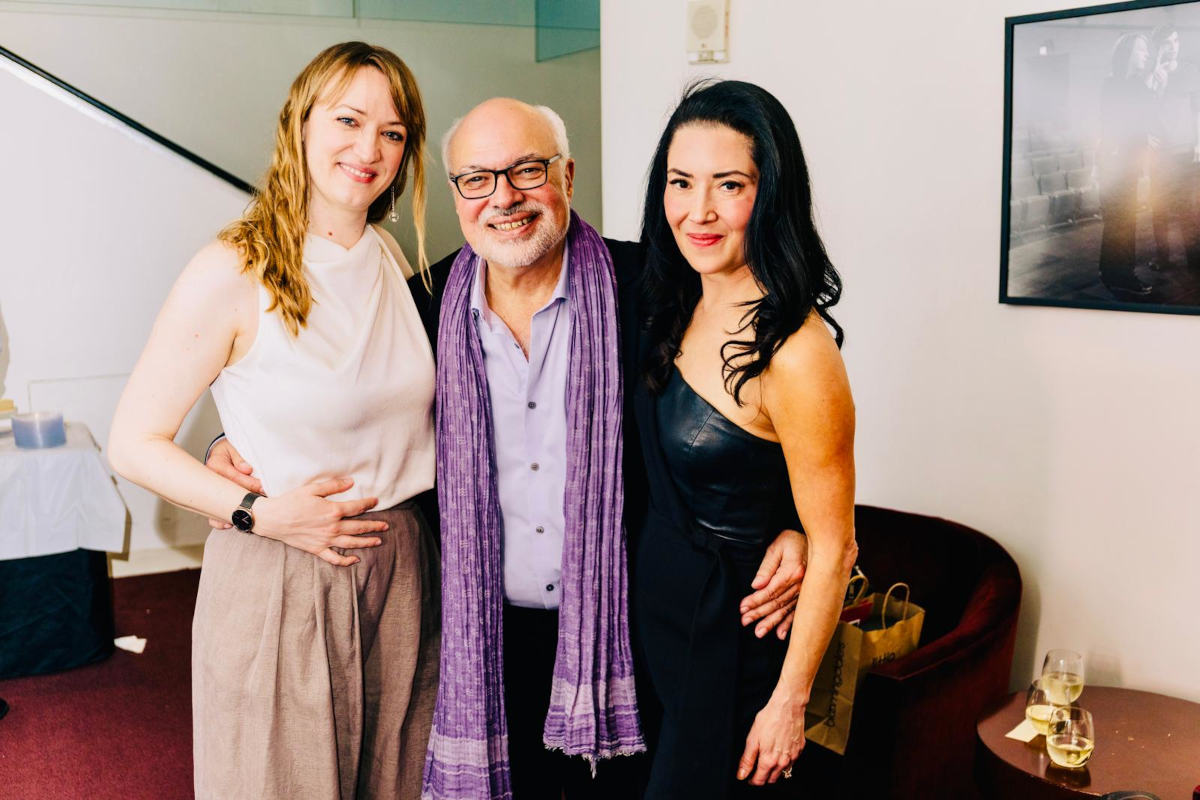
Veronika Emily Pohl, Constantine Orbelian and Kristina Reiko Cooper.
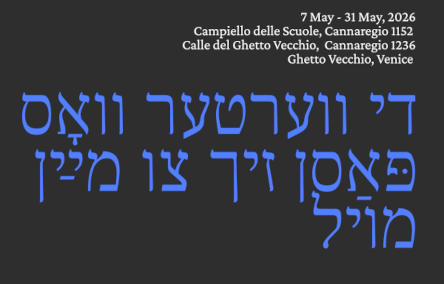
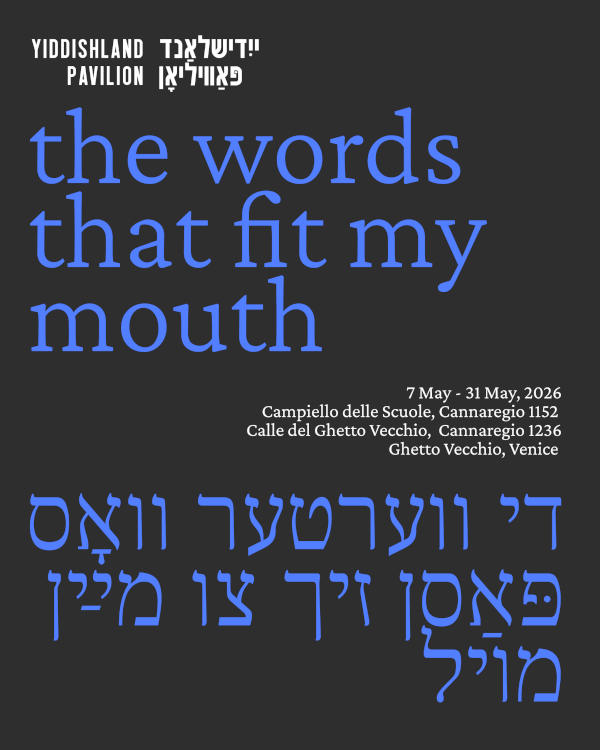 The New York-based artist Yevgeniy Fiks is happy to announce on our website the third edition of the Yiddishland Pavilion at the Venice Biennale. The opening ceremomy will take place on May 7 from 6 till 8 PM. This year’s edition is titled The Words That Fit My Mouth. The full program is available on the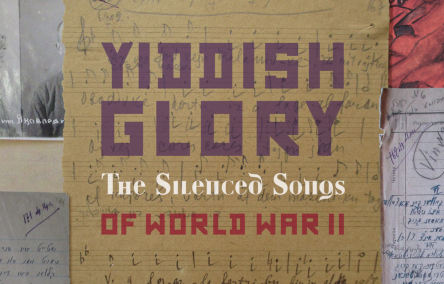
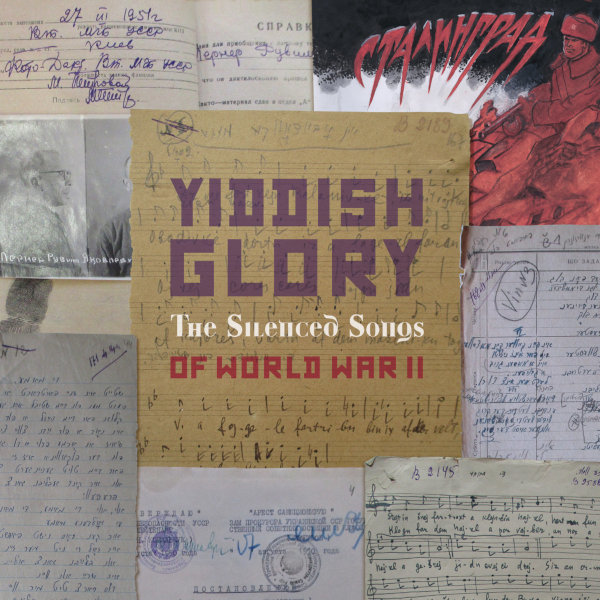 Prof. Anna Shternshis and the musician Psoy Korolenko produced a new music album based on songs from Moisey Beregovsky’s archive, Yiddish Glory: The Silenced Songs of World War II. Unlike their previous 2018 Grammy-nominated album, Yiddish Glory: The Lost Songs of WW2, which resurrects anti-fascist songs of Jewish Red Army soldiers and partisans, the new production features songs of Holocaust survivors of the camps and ghettos.
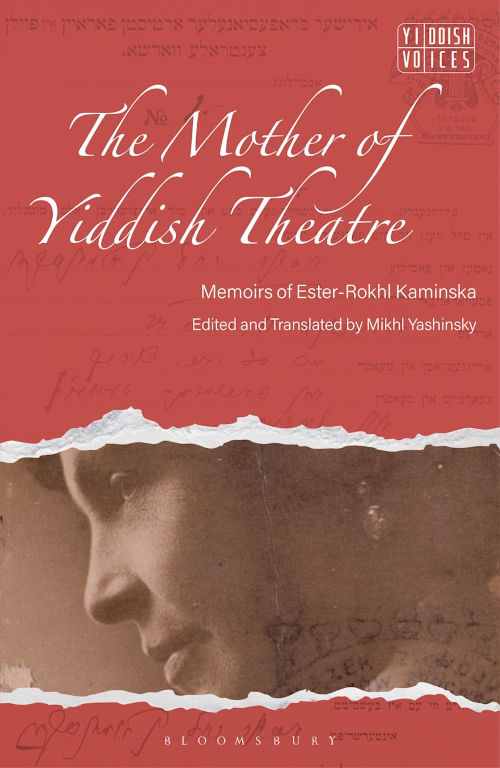 The memoirs of the pioneering Yiddish actress Ester-Rokhl Kaminska (1870–1925), have been for the first time published in English, translated by the actor and theater researcher Mikhl Yashinsky.
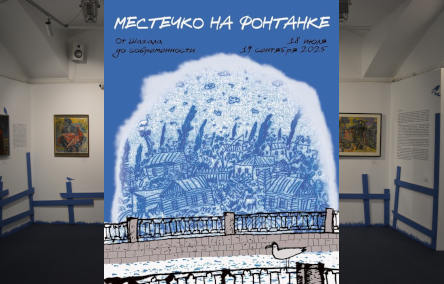
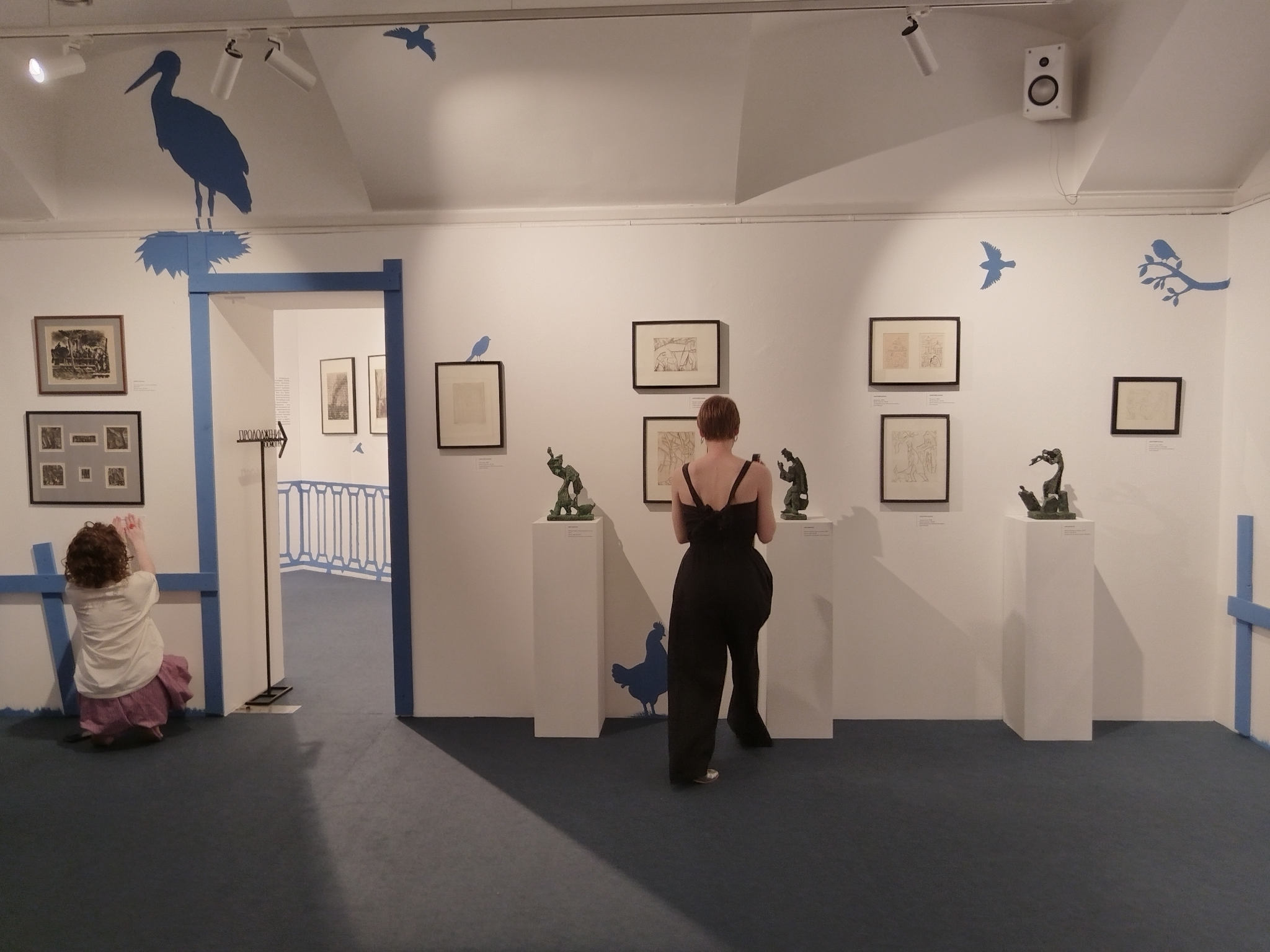
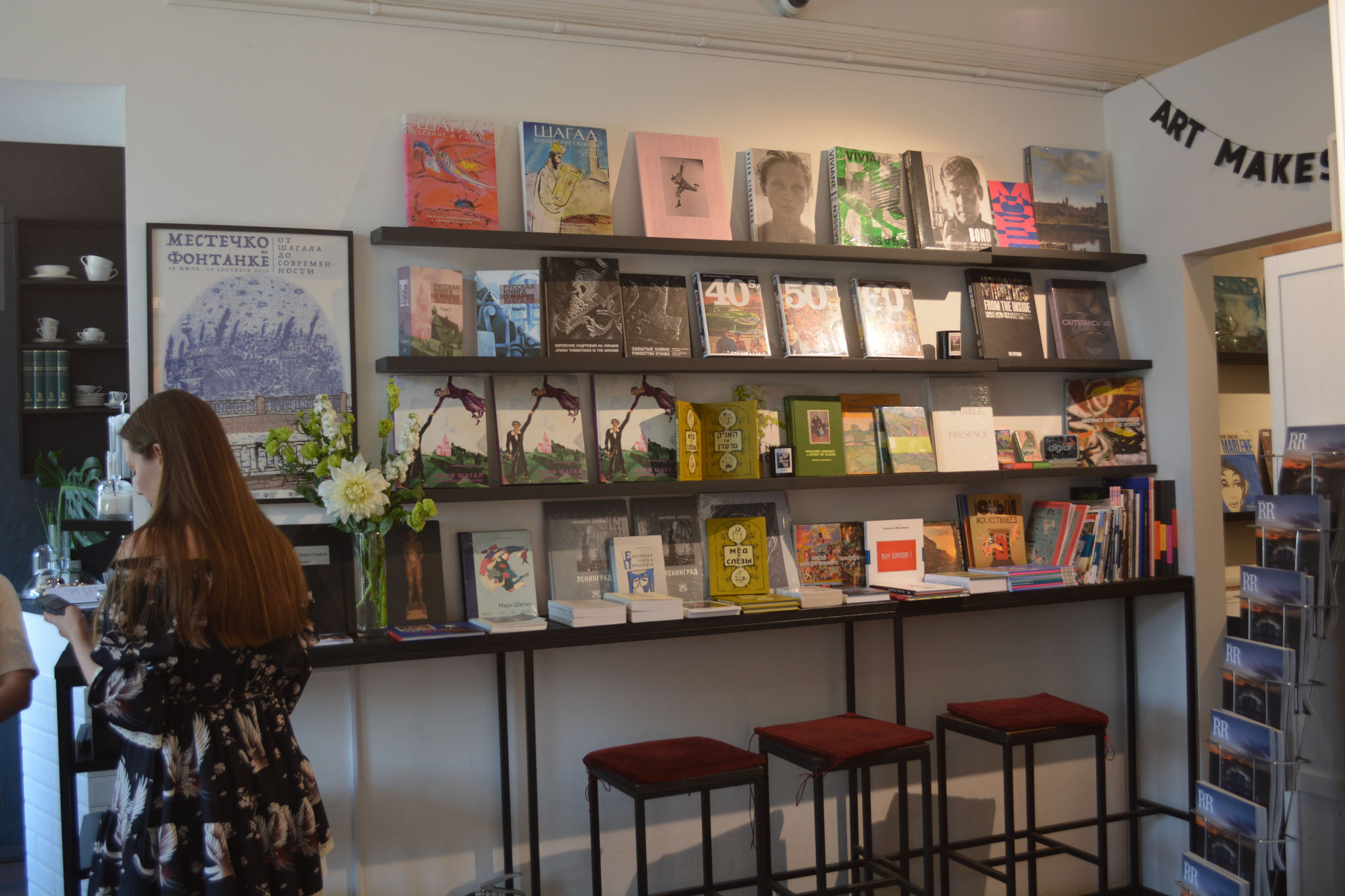
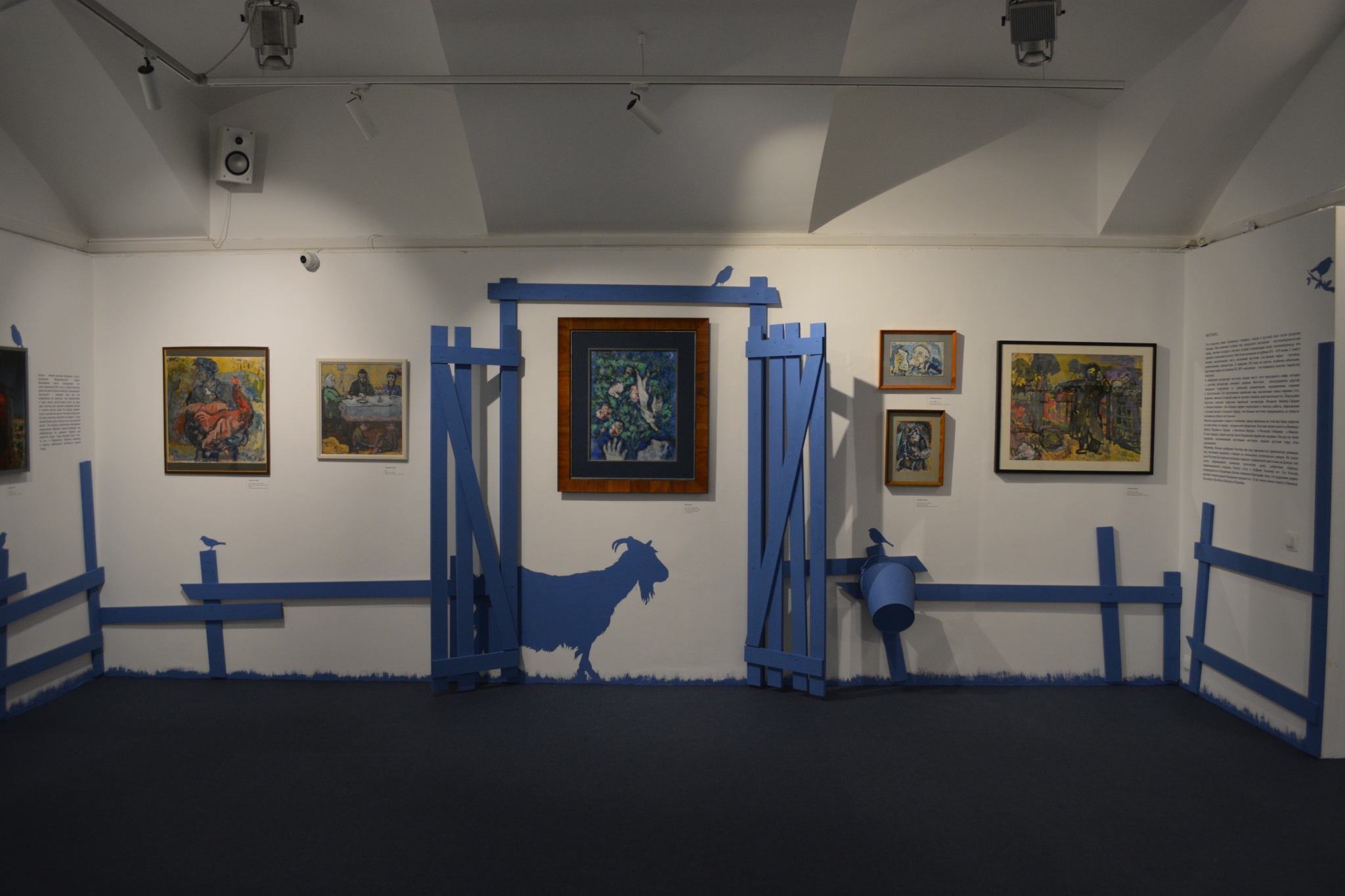
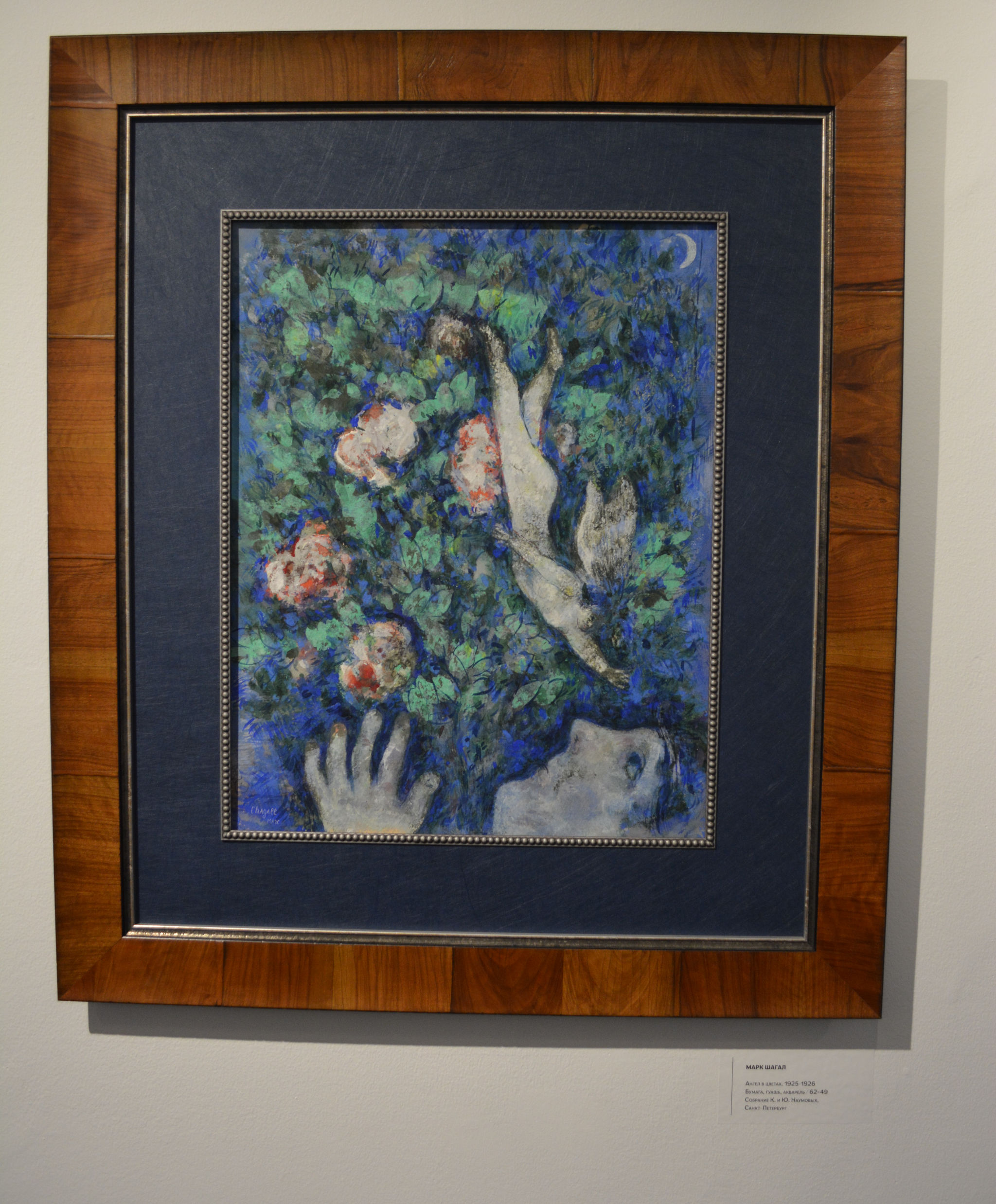
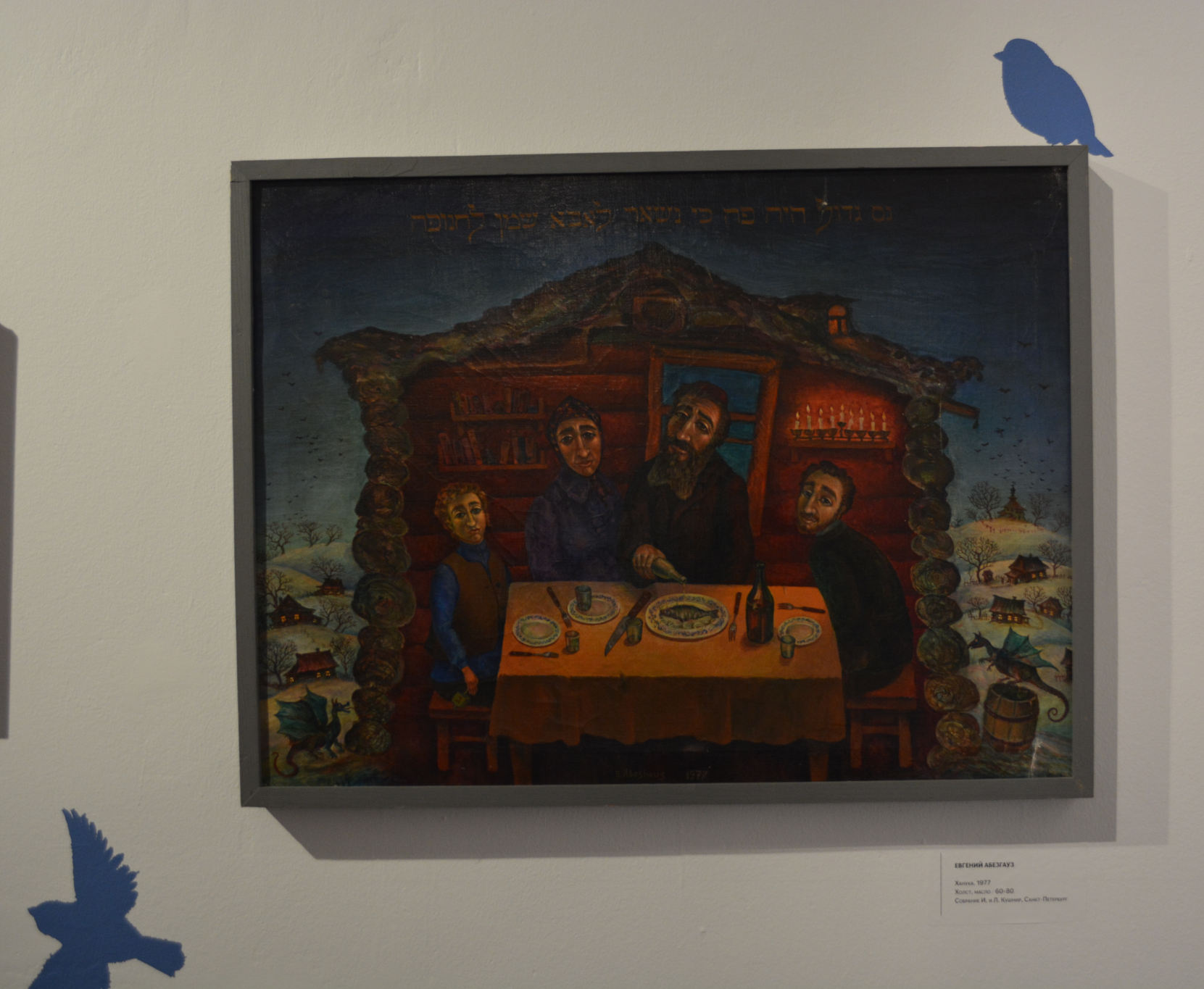
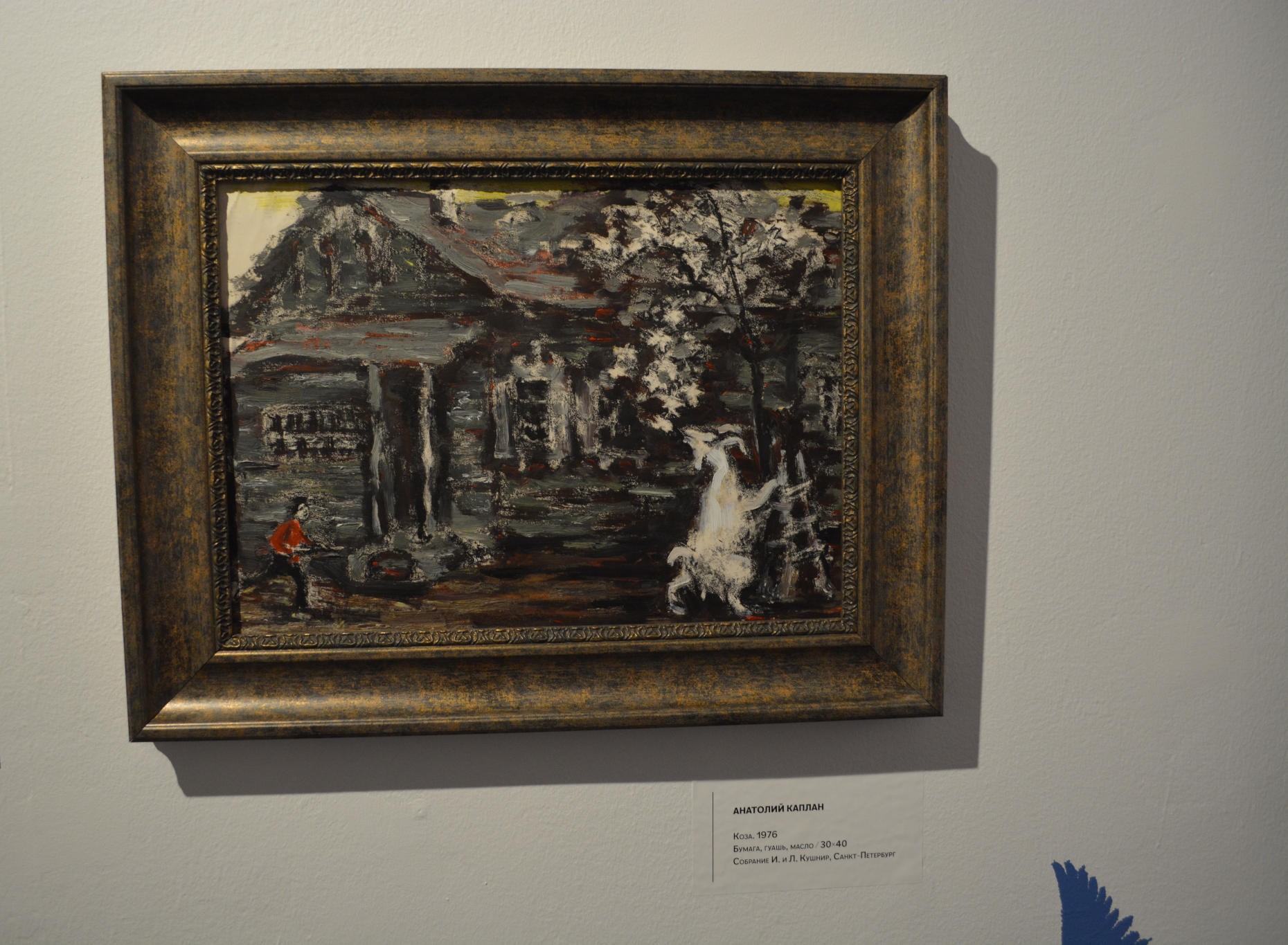
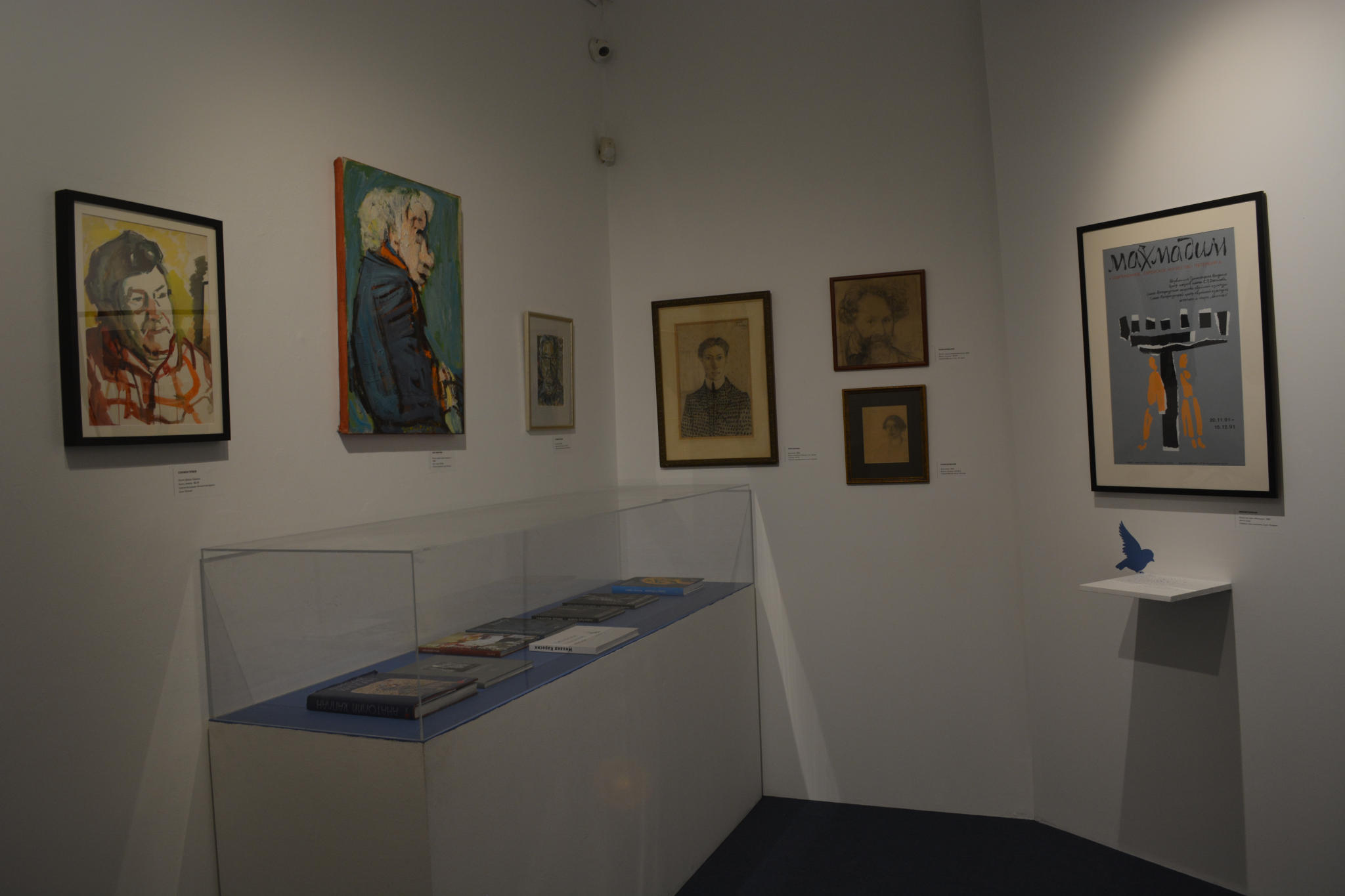
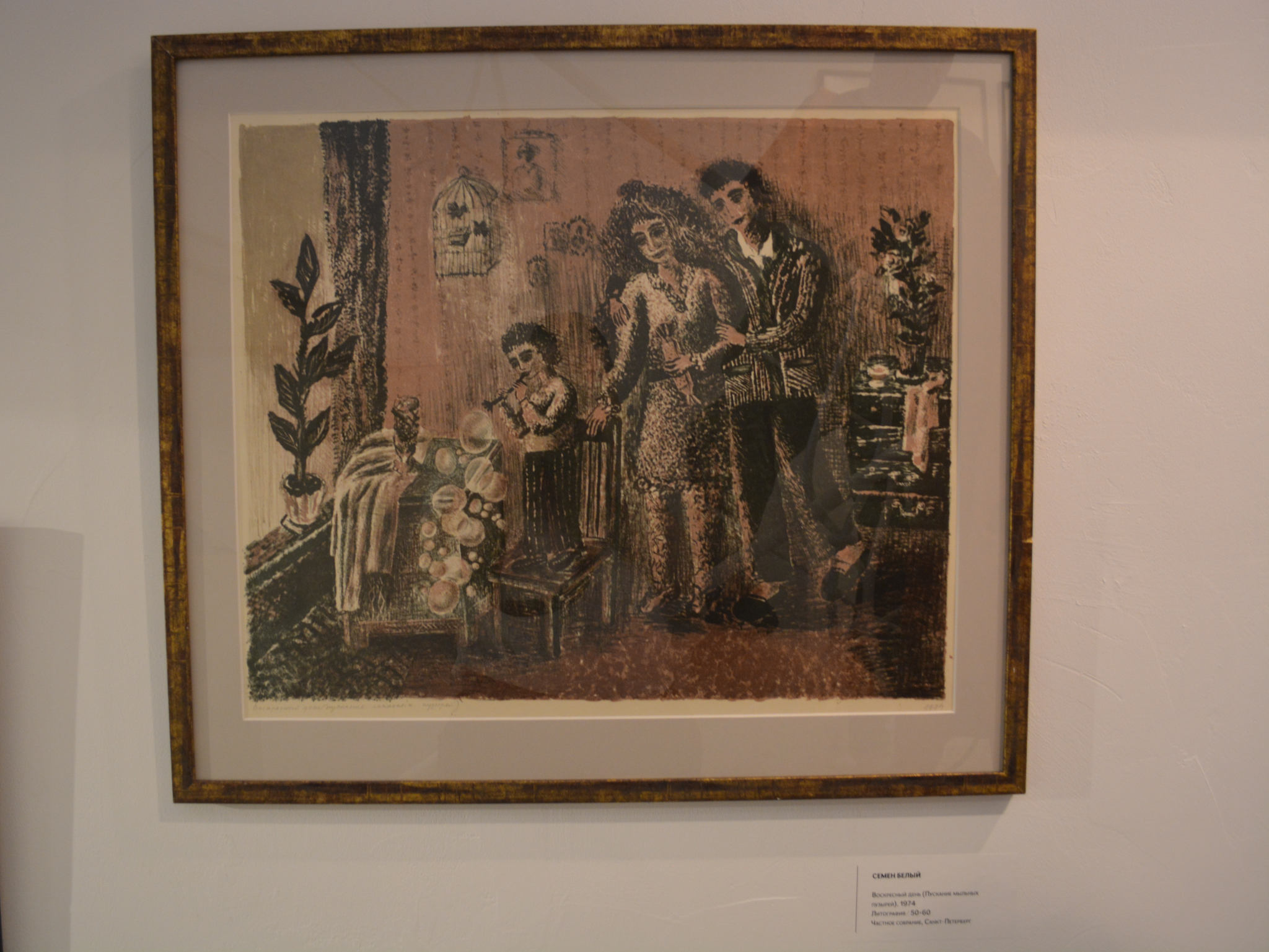
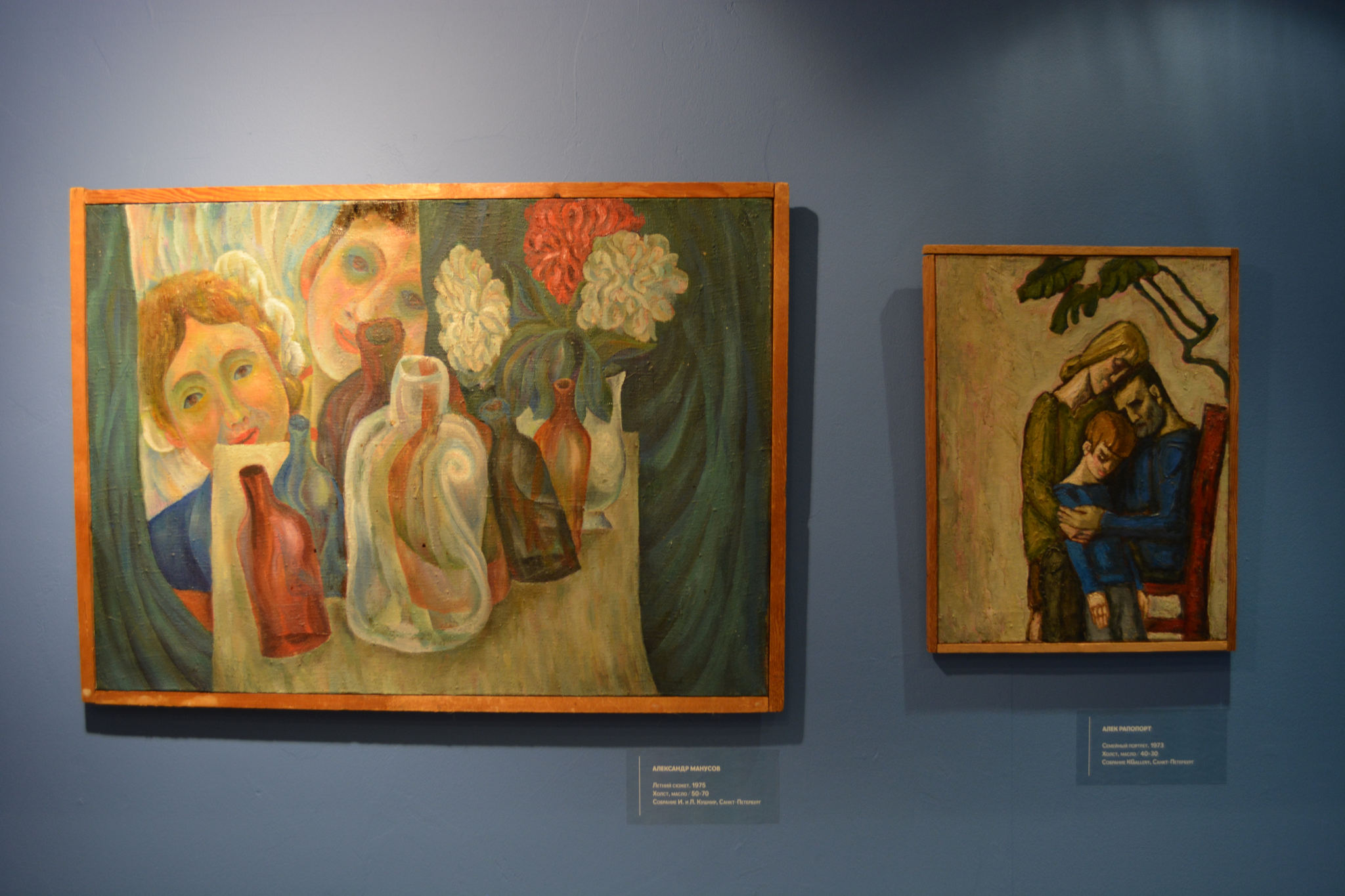
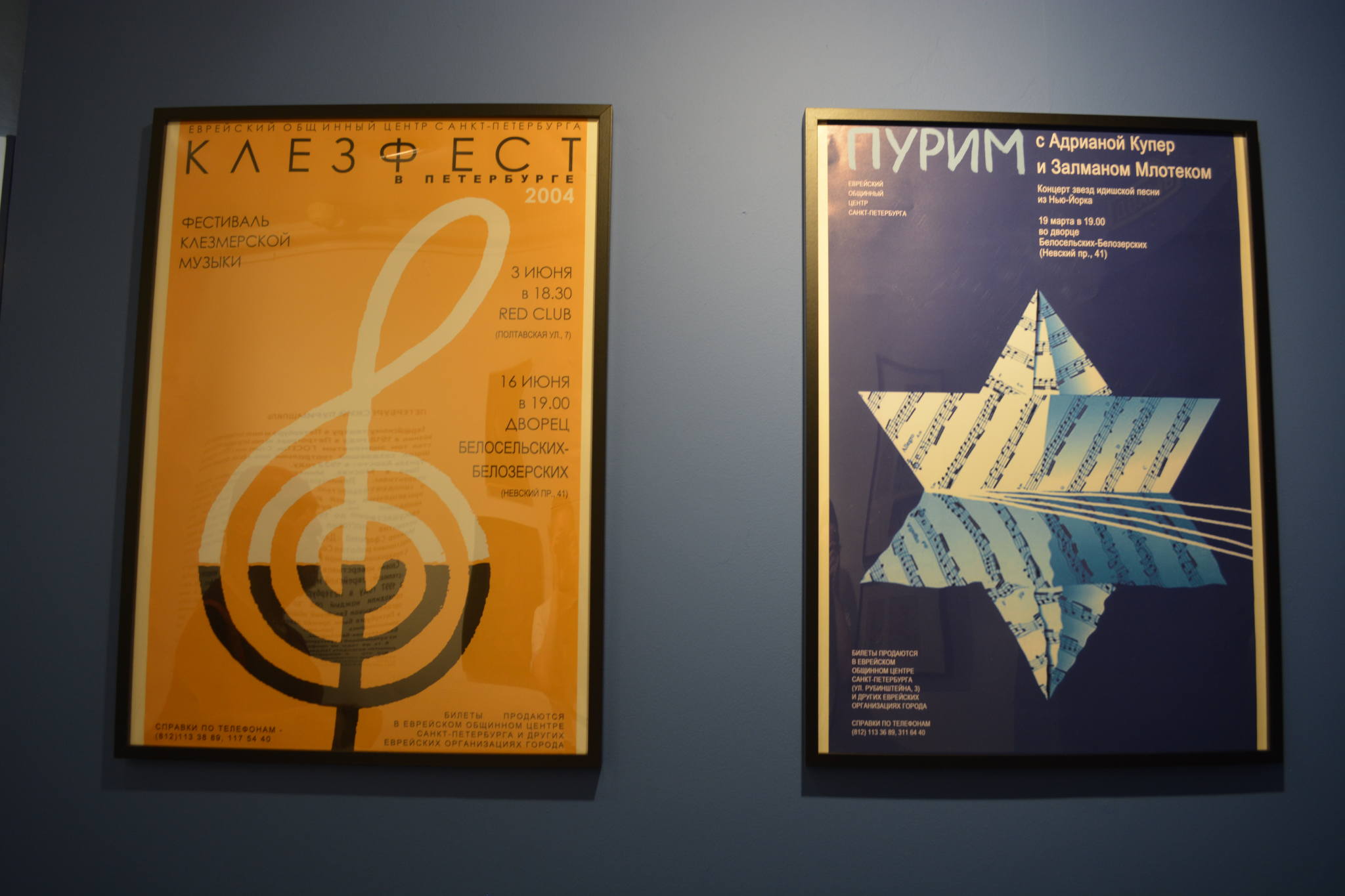
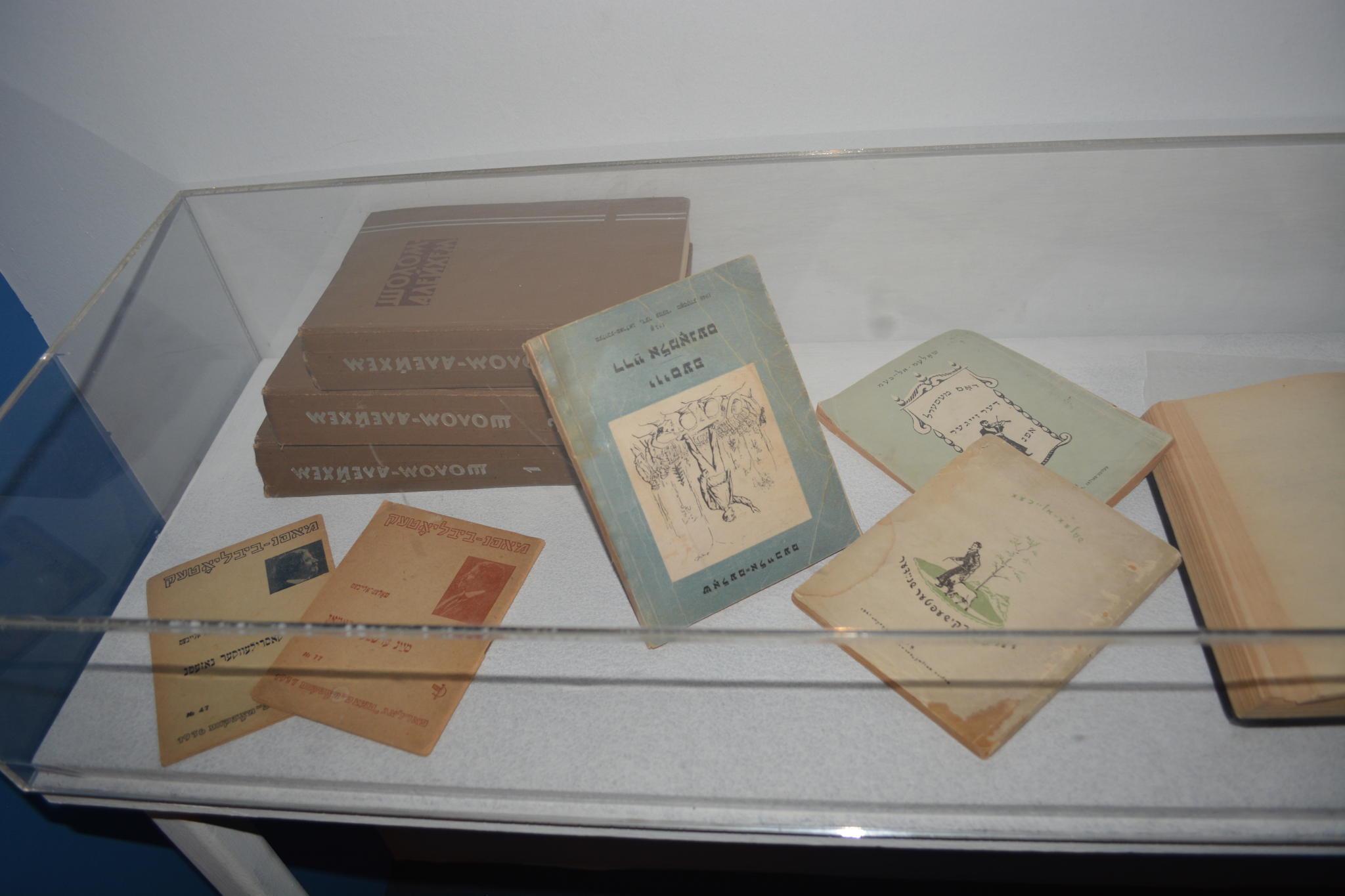
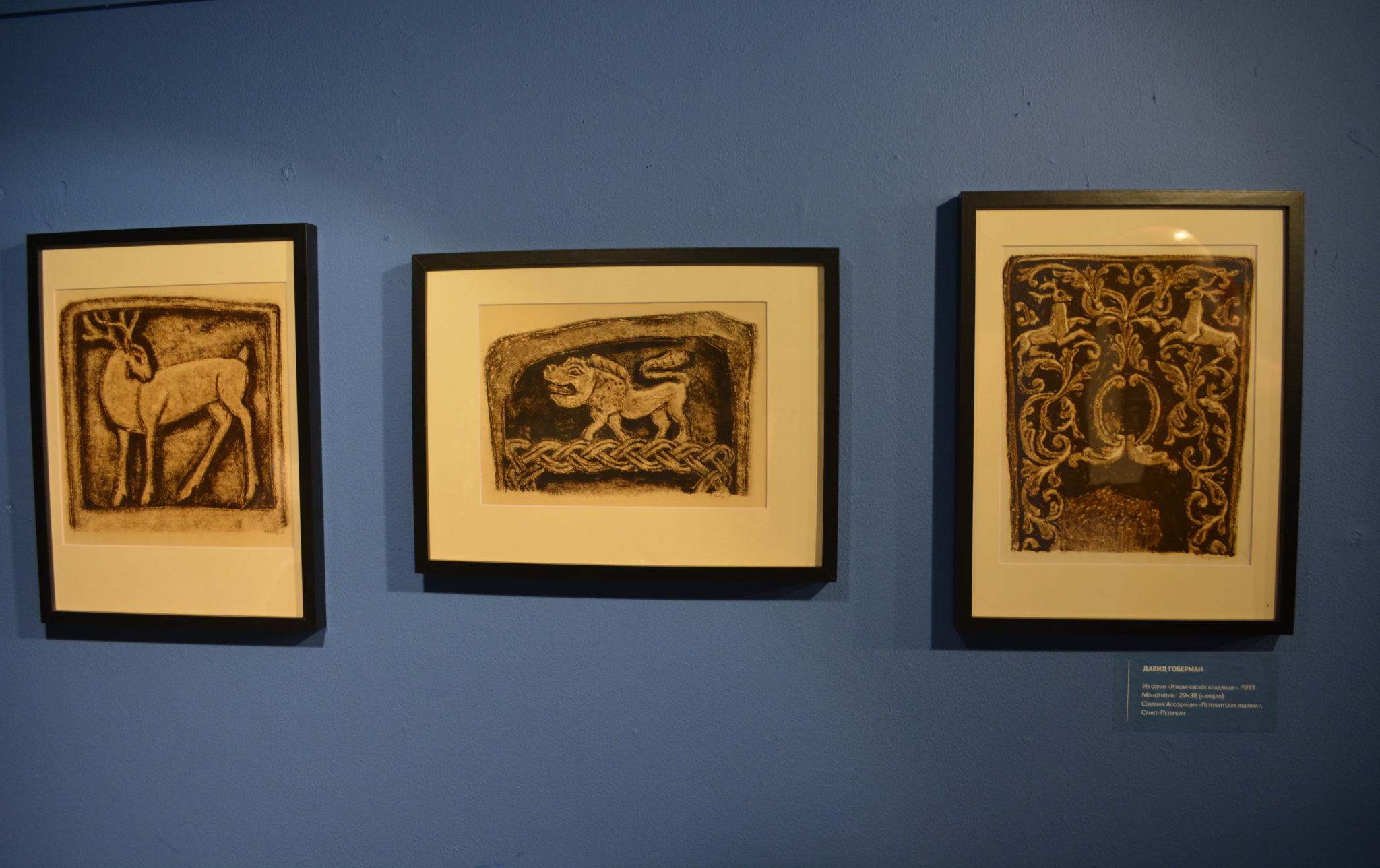
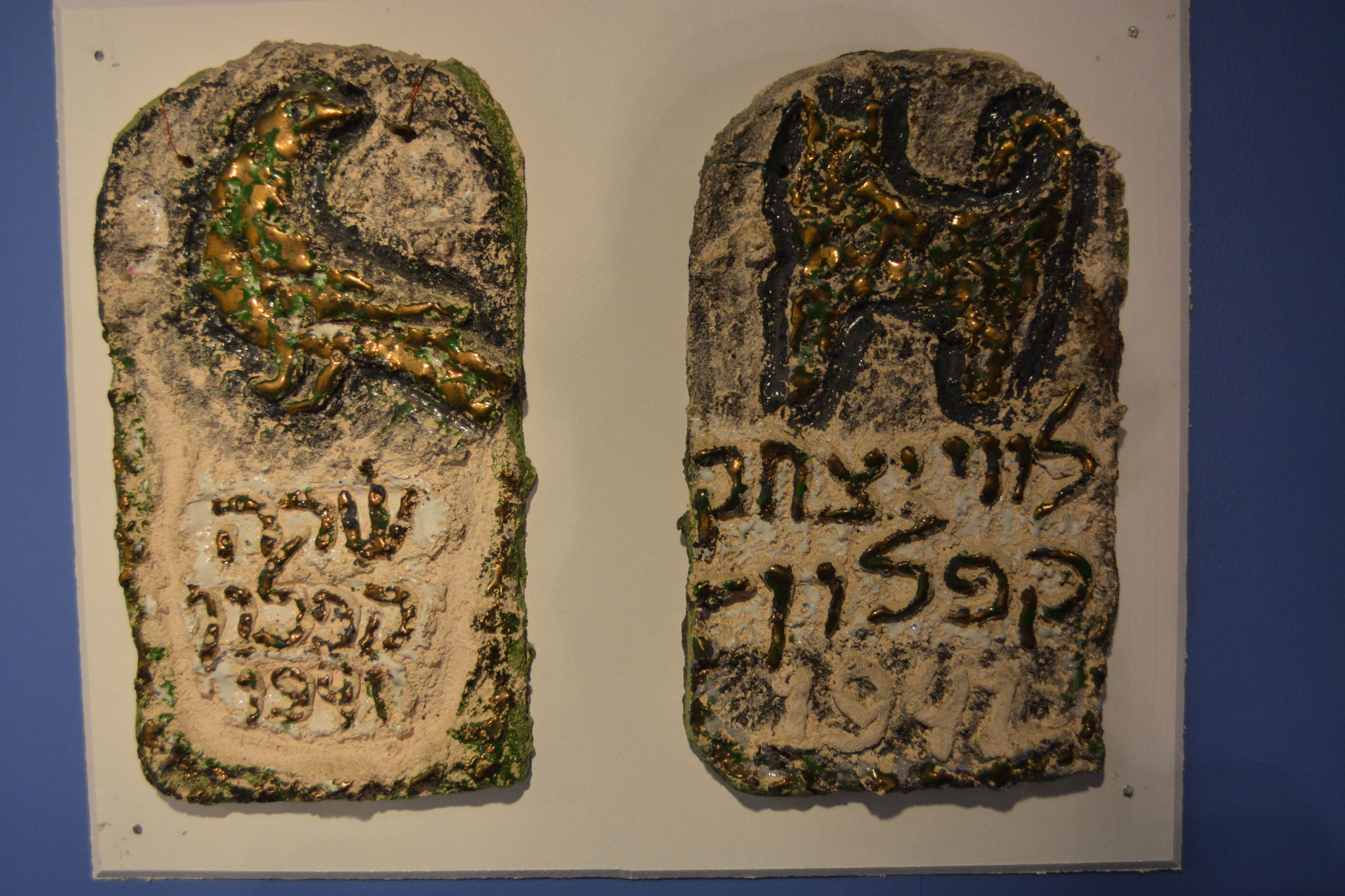
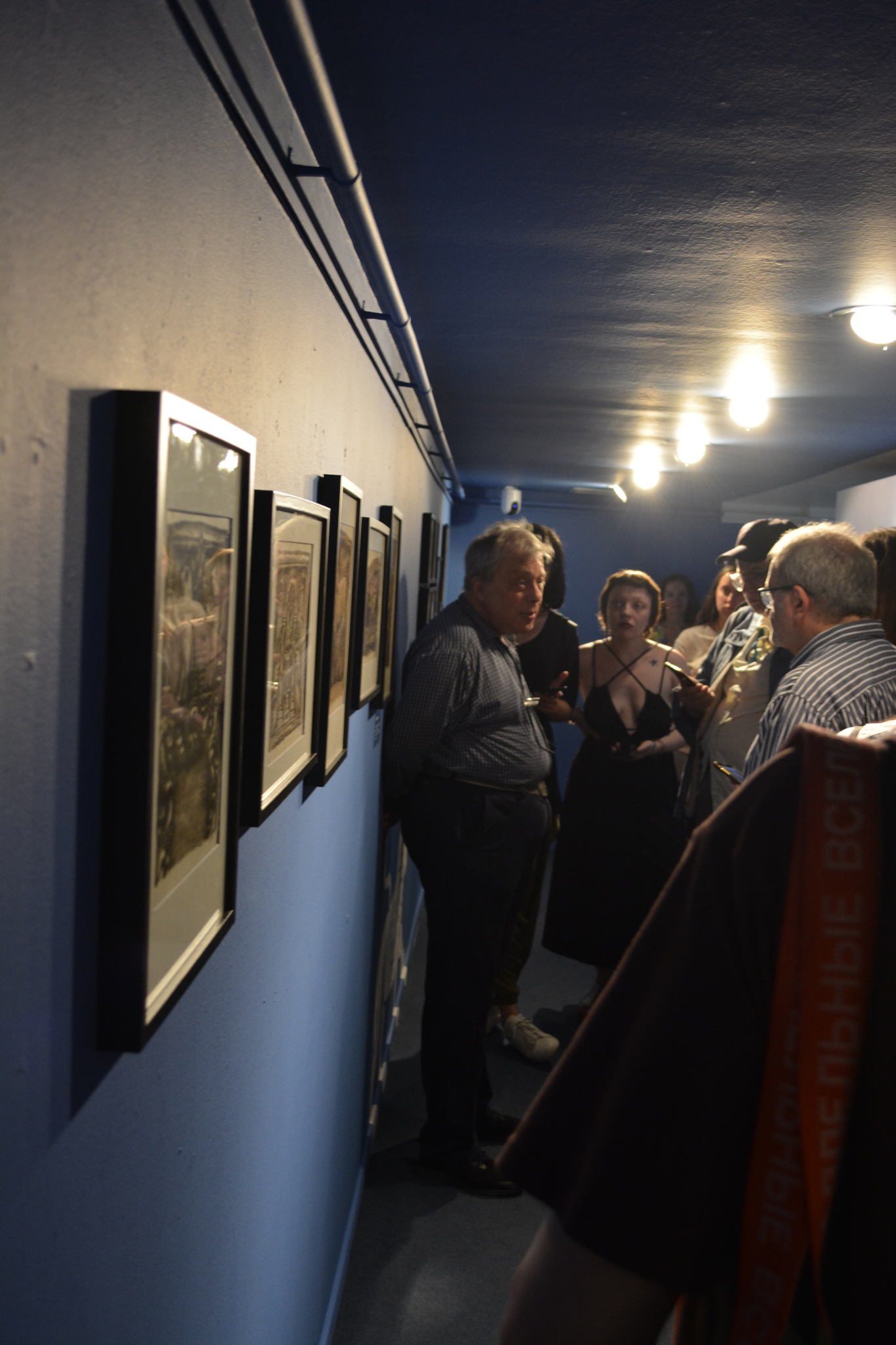
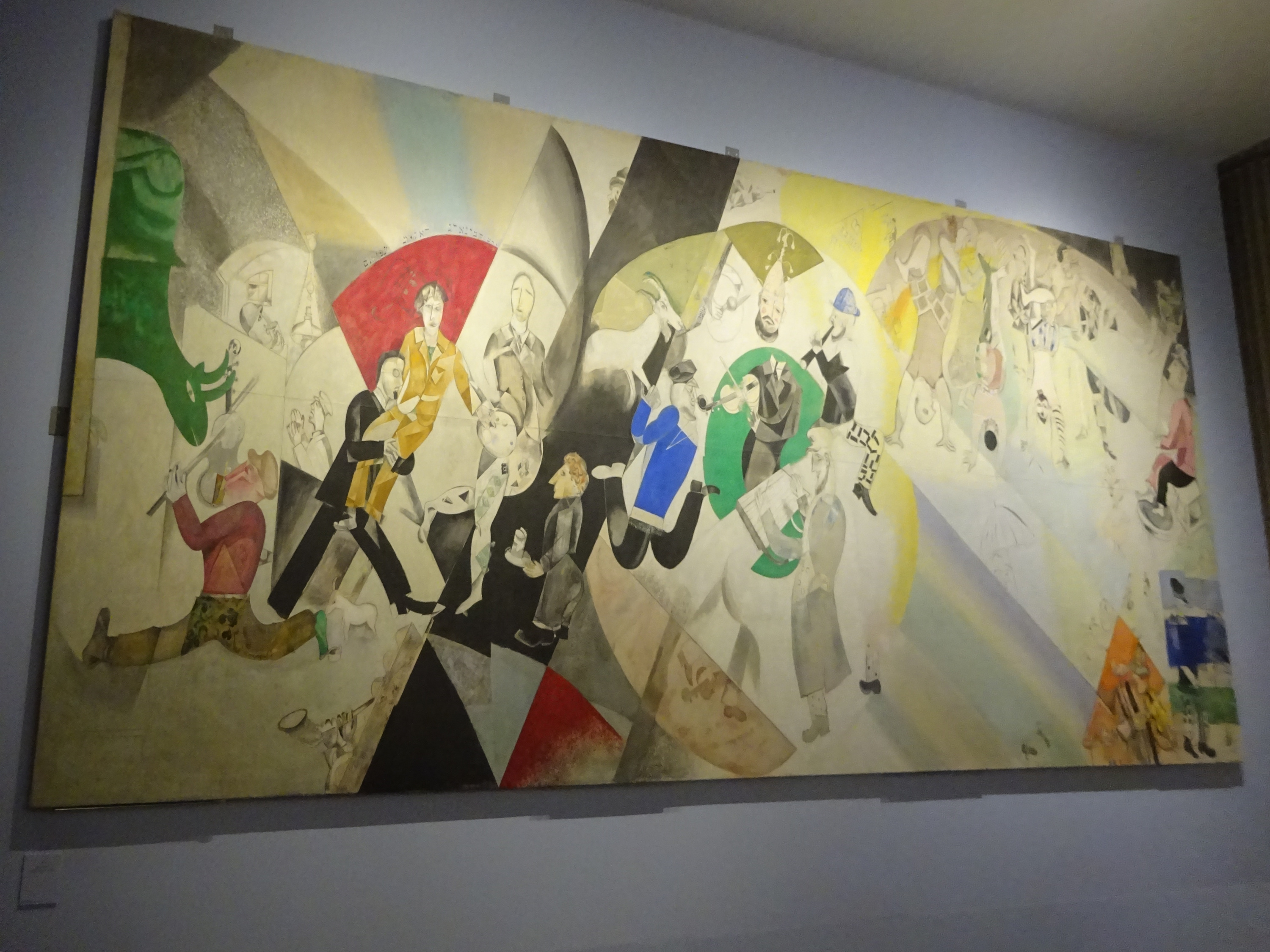
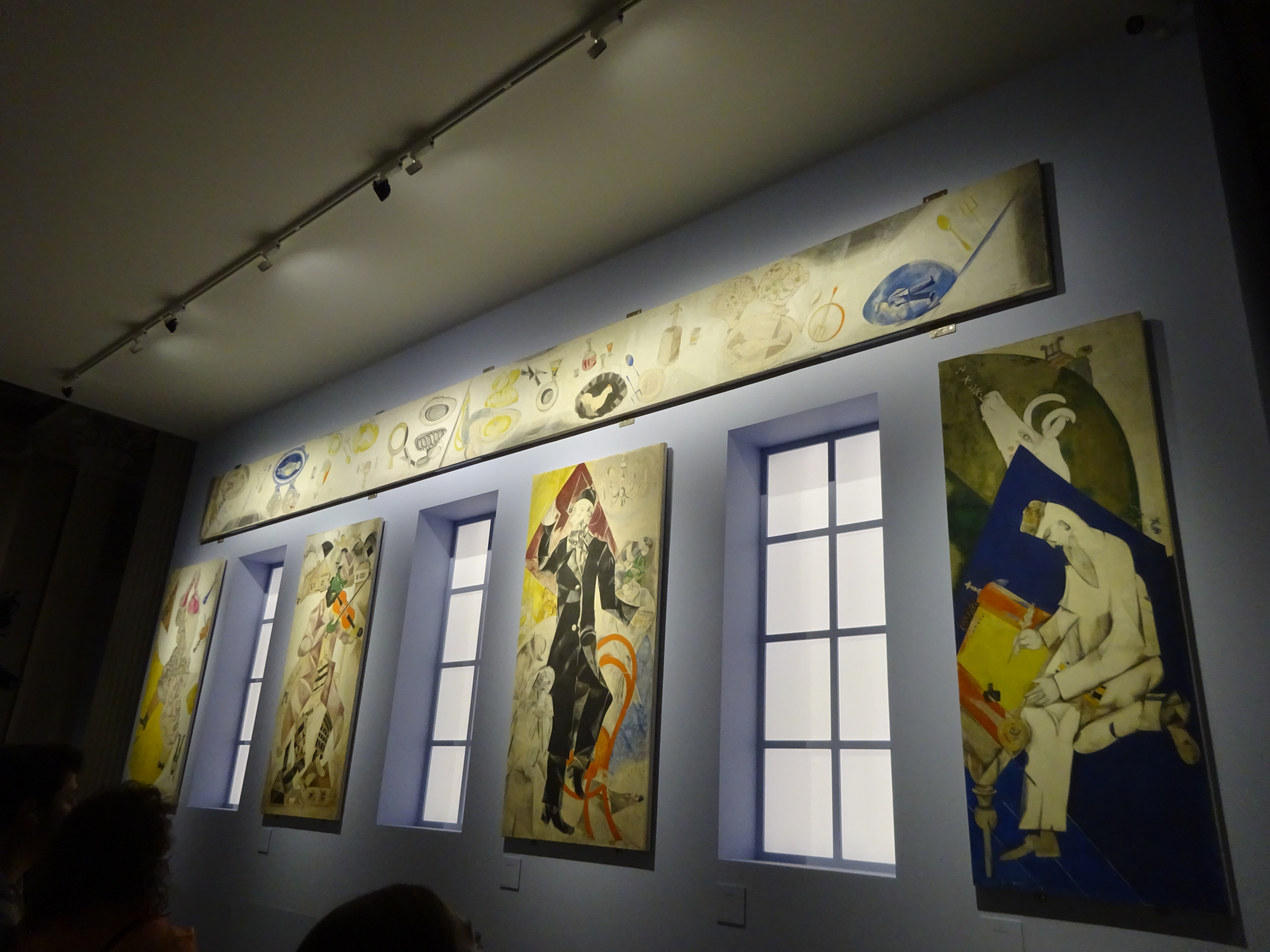
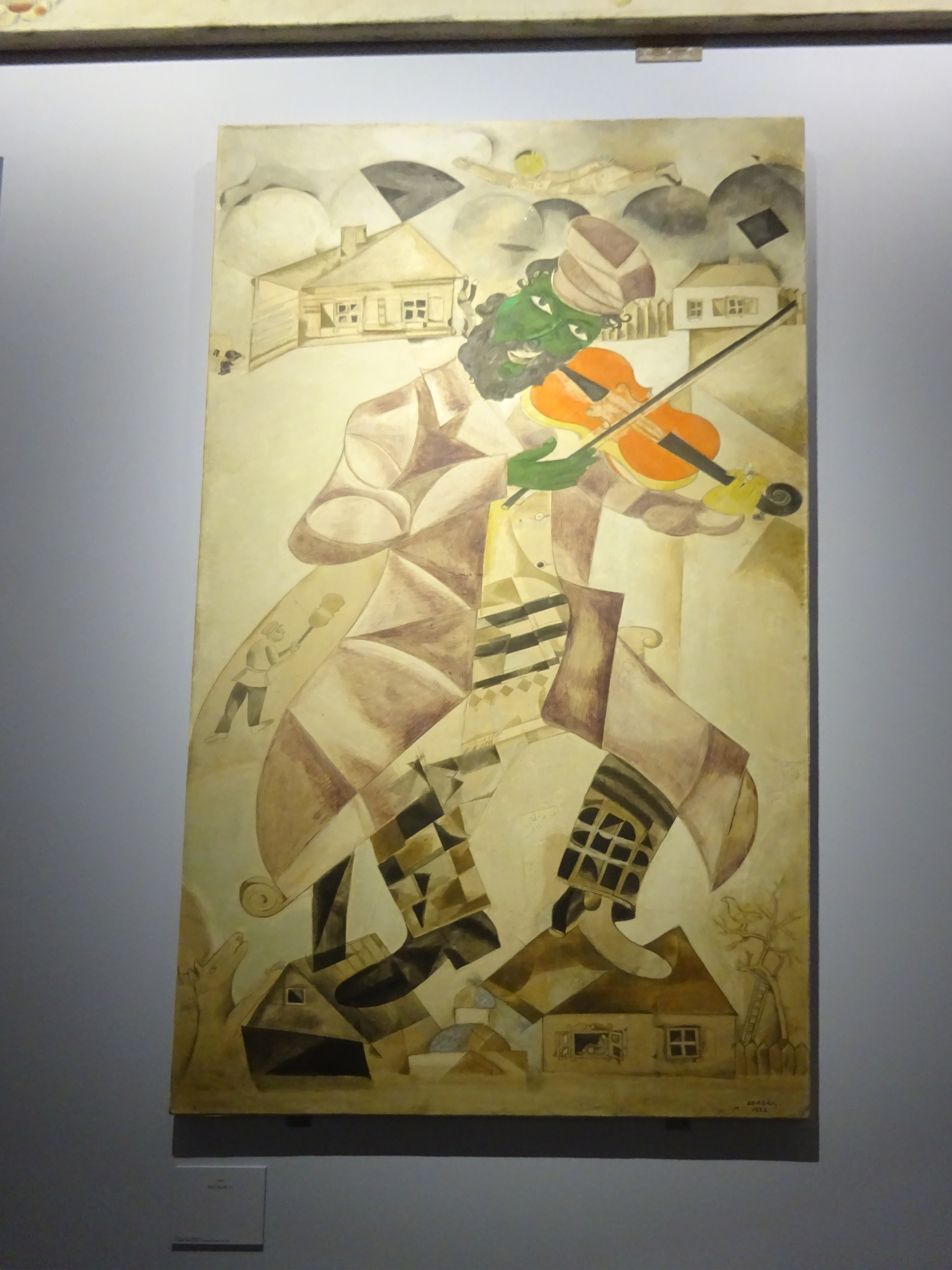
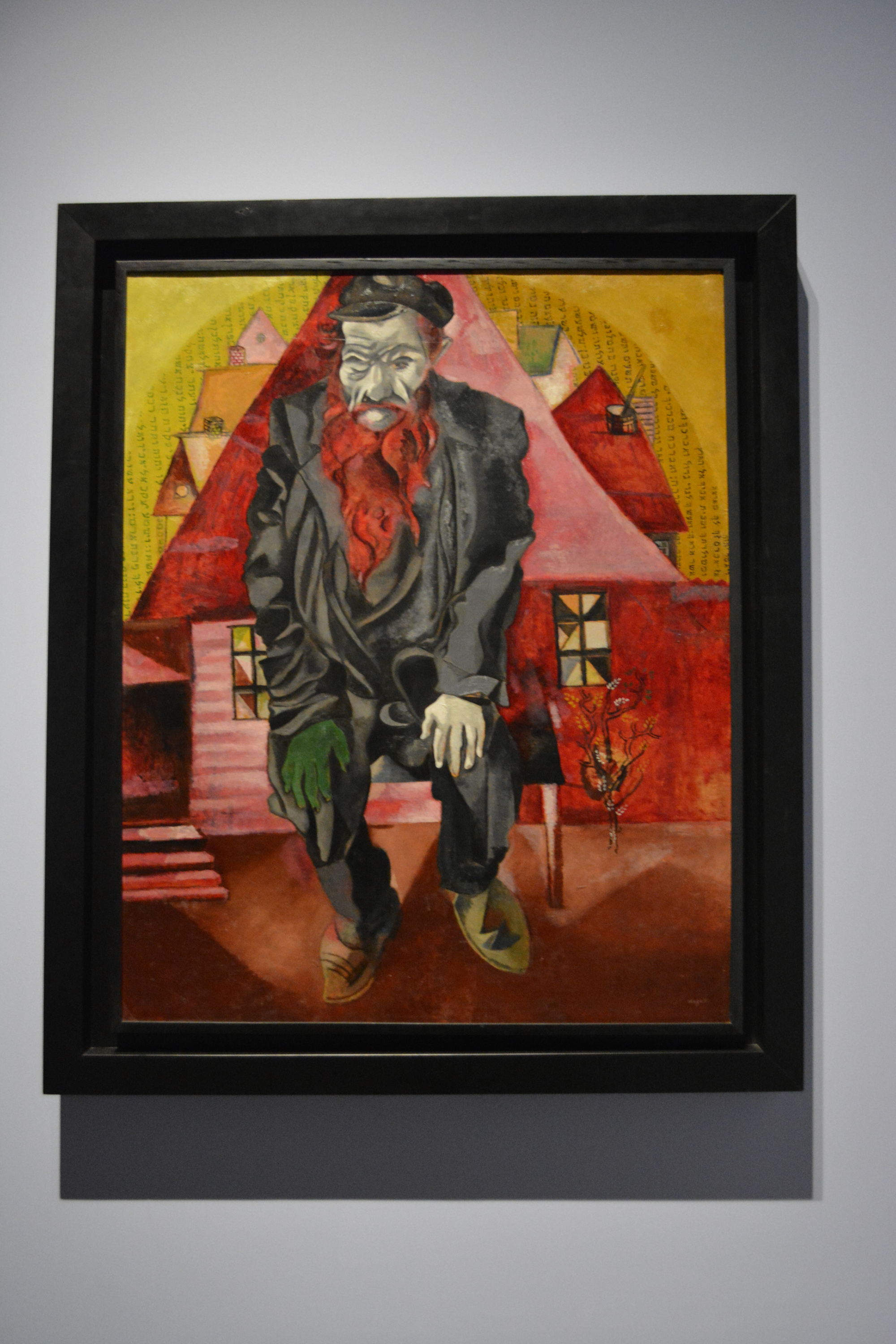
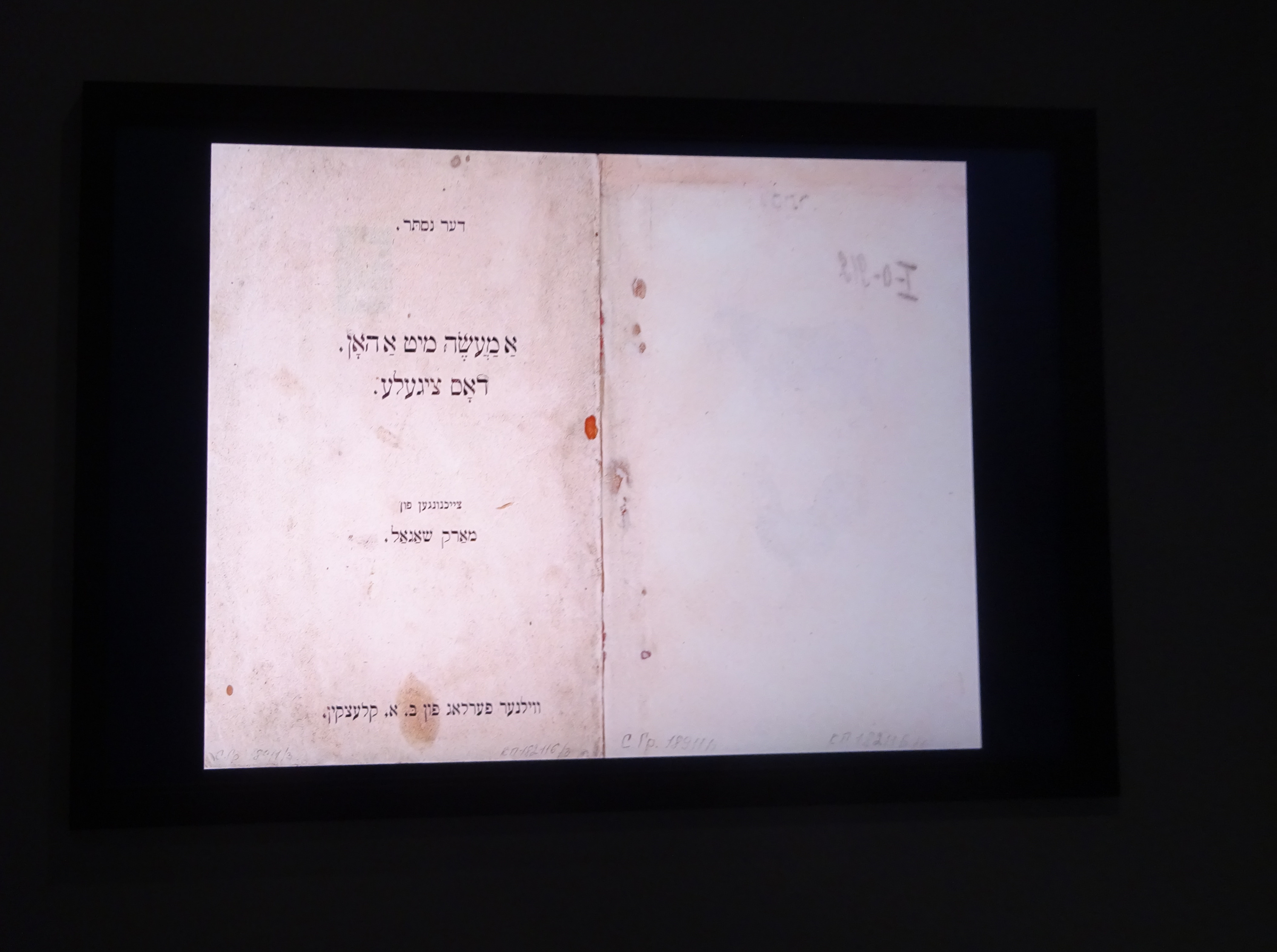
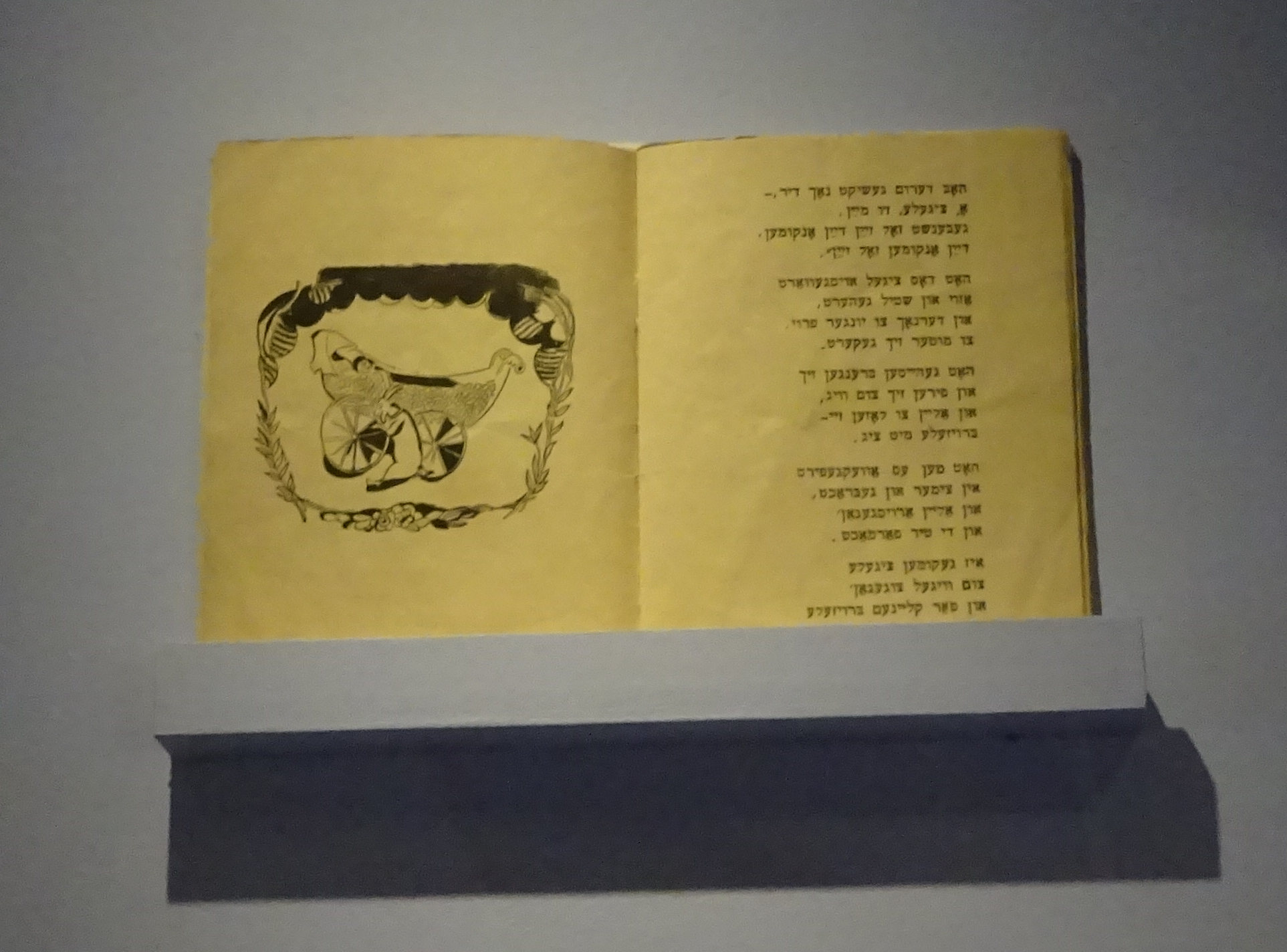
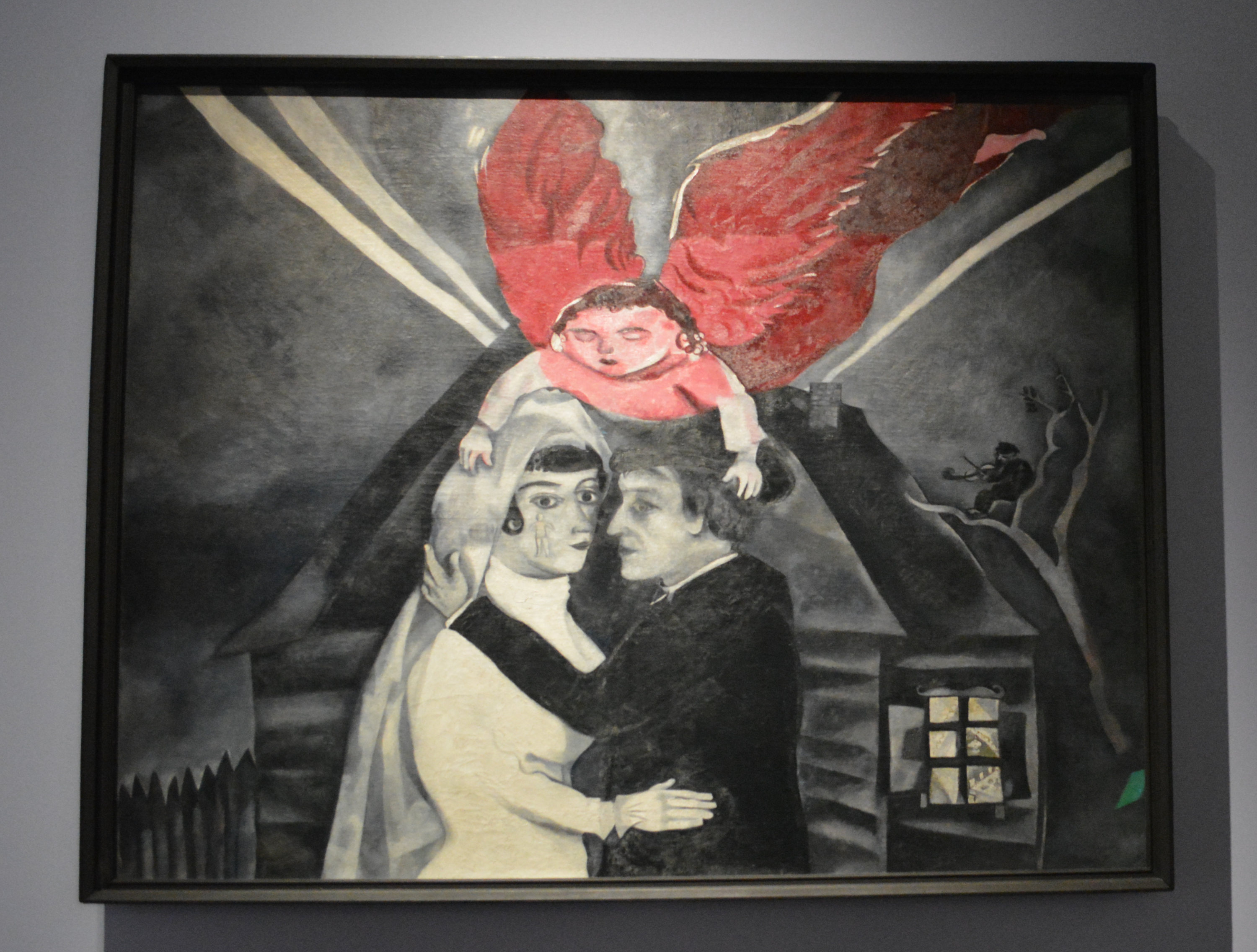
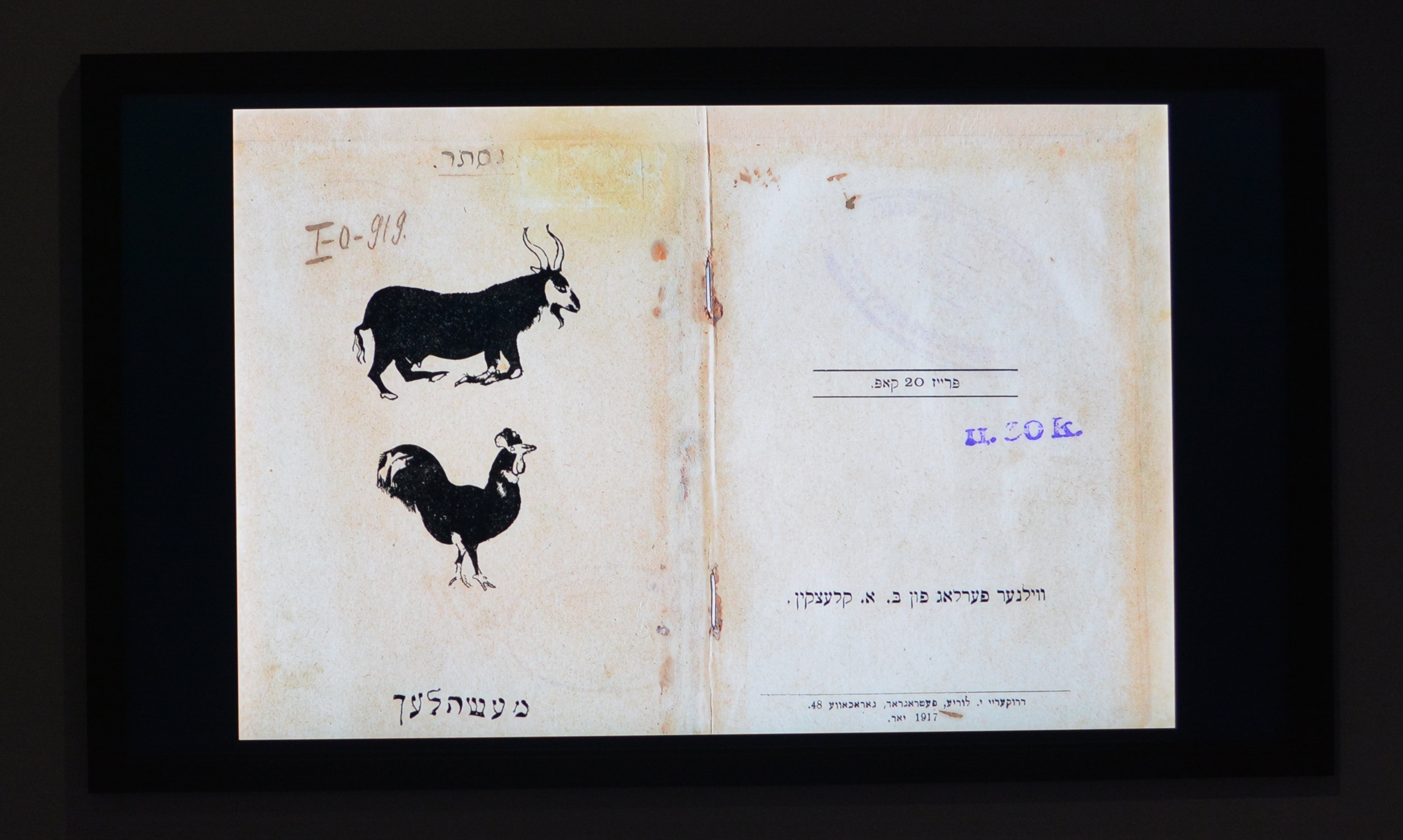
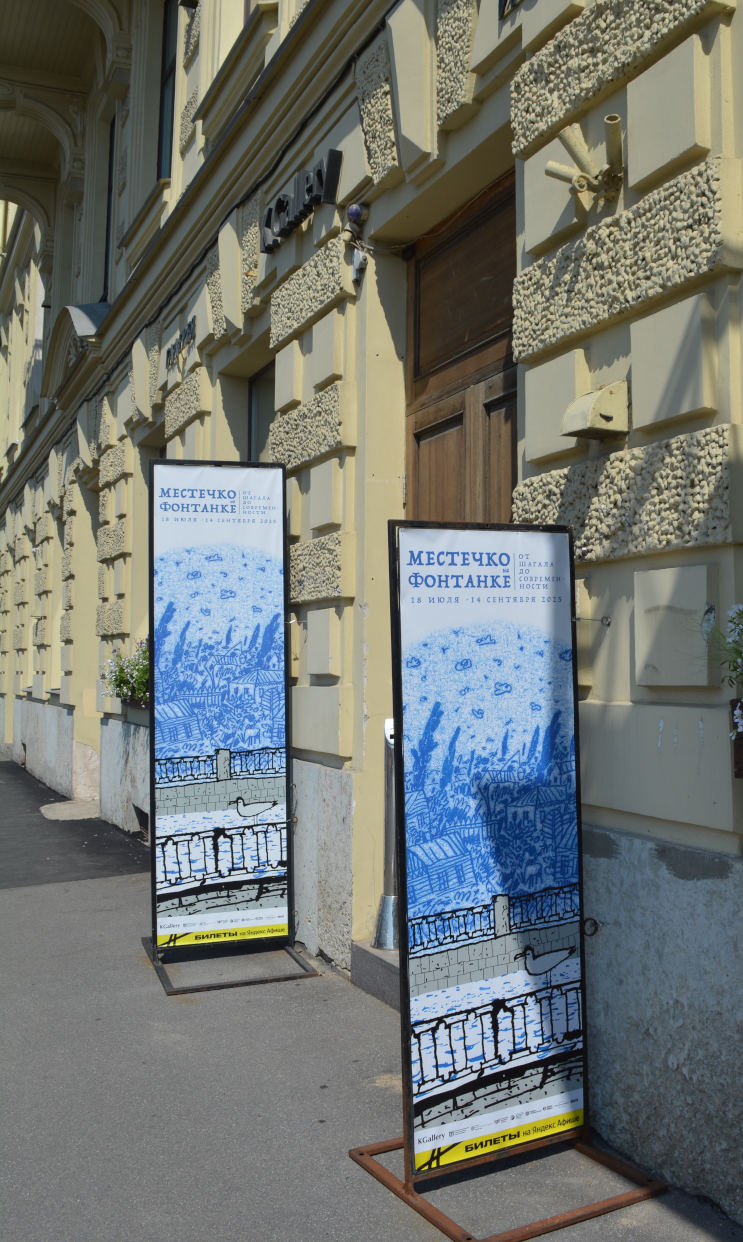 On July 17, 2025, the exhibition “Shtetl on Fontanka. From Chagall to the Present” opened at the KGallery in St. Petersburg. It is dedicated to Jewish artists whose life and work are closely connected to St. Petersburg. Fontanka is one of the city’s rivers. The project’s curator is Dr. Valery Dymshits, a folklorist and scholar of Yiddish literature. The conceptual design of the exhibition was created by the theater artist Valery Polunovsky.