Sholom Secunda’s Anniversary in New York

Sholom Secunda’s Anniversary in New York

Sholom Secunda’s Anniversary in New York

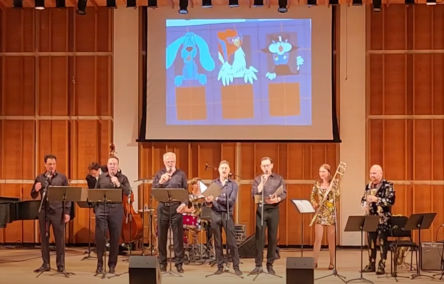
On September 14, 2024, the Merkin Hall of the Kaufman Music Center in New York hosted the concert Sholom Secunda: A 130th Anniversary Spectacular, staring the Swedish singer Idun Carling, the ex-Soviet singer-songwriter Alexander Gorodnitsky, the jazz band of the Grammy-nominated saxophonist Yaacov Mayman, and other prominent musicians.

Sholom Secunda (1894 – 1974) was an American composer of Ukrainian-Jewish descent, known for some of the most popular Yiddish songs, including “Bay mir bistu sheyn“. Although he emigrated from Russia in 1907, his tunes remain well known in post-Soviet countries as well as in the US, where he is considered one of the greatest 20th century composers of New York’s historical Yiddish Theater District.

אלמנך “ביראָבידזשאַן” 2024

אלמנך “ביראָבידזשאַן” 2024

אלמנך “ביראָבידזשאַן” 2024

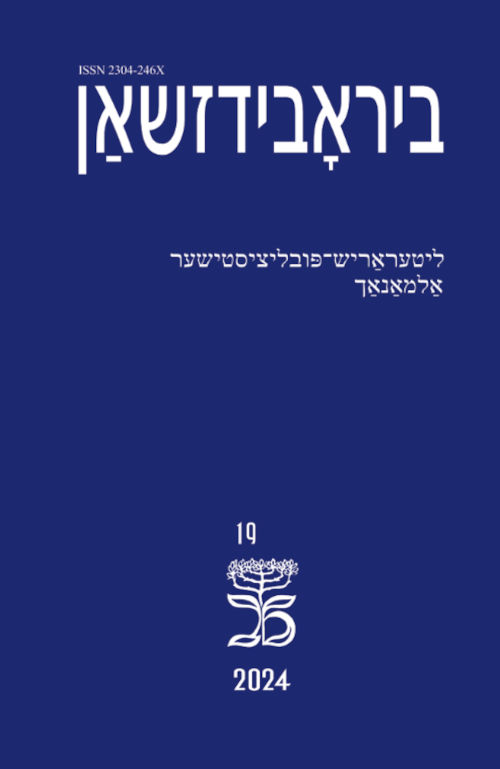
חברת הטלוויזיה הרוסית “בירה” הגישה ב-13 בספטמבר 2024 מהדורה חדשה של תוכנית השבועית “יידישקייט” עם הצגת הגיליון ה-19 של האלמנך “בירוביג’אן”. המגזין העבה בן 260 עמודים מוקדש הפעם למלאת 90 שנה לאזור האוטונומי היהודי, שנוצר על ידי הממשלה הסובייטית ב-1934.

האלמנך מכיל חלק גדול ביידיש, הכולל שירים מאת מחברי בירוביג’אן וסיפור מדע בדיוני מאת יואל מאטוועיעוו, סופר בן זמננו הכותב ביידיש שגר בפטרבורג. החלק בשפה הרוסית מציג אנתולוגיה של שירים סובייטים על הטייגה, מתורגמים מיידיש. בנוסף לחומרים היסטוריים ייחודיים ומגוונים, יש במהדורה החדשה של האלמנך גם שני חלקים אמנותיים נפרדים.

אלמנך “ביראָבידזשאַן” 2024

Almanac Birobidzhan 2024

Almanac Birobidzhan 2024

On September 13, 2024, the official Russian TV channel Bira presented a new episode of its Yiddish-oriented weekly program Yiddishkeit dedicated to the recently published 19th issue of the annual almanac Birobidzhan — a book-sized 260-page journal largely devoted to the 90th anniversary of the Jewish Autonomous Region of Russia, established by the Soviet government in 1934.

The almanac includes a large Yiddish section, featuring historical poetry of Birobidzhan authors and a science fiction story by Yoel Matveyev, a St. Petersburg-based contemporary Yiddish writer. The Russian part contains an anthology of poems about tayga translated from Yiddish. Besides unique and diverse historical materials written in both languages, this year’s issue of the almanac also contains two separate art sections.

From GOSET to Shalom

From GOSET to Shalom

From GOSET to Shalom

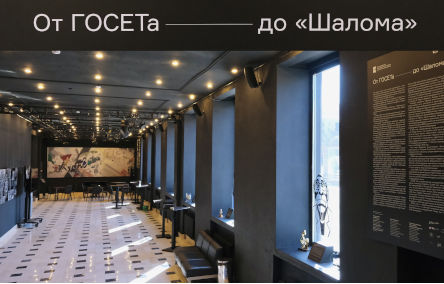
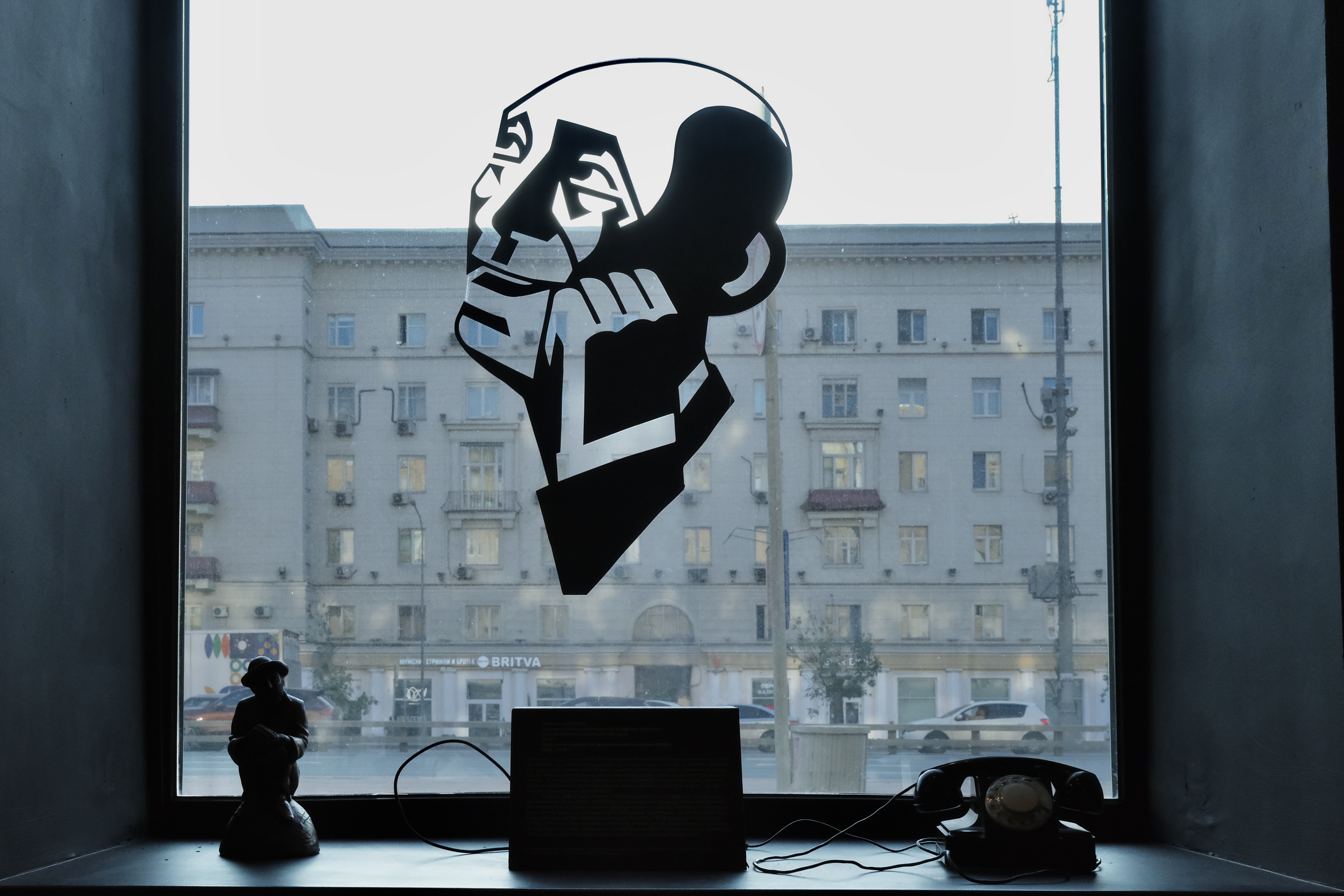
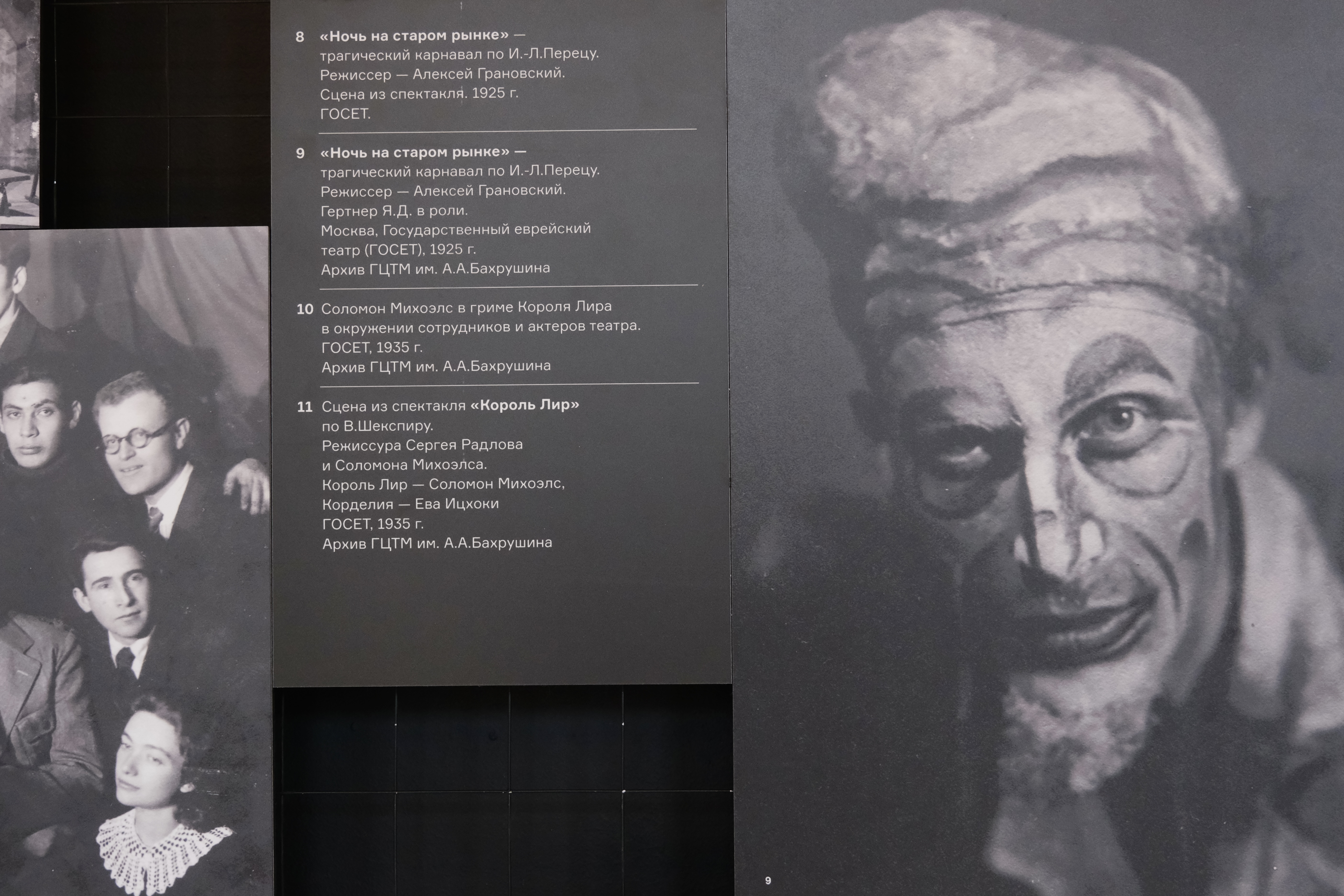
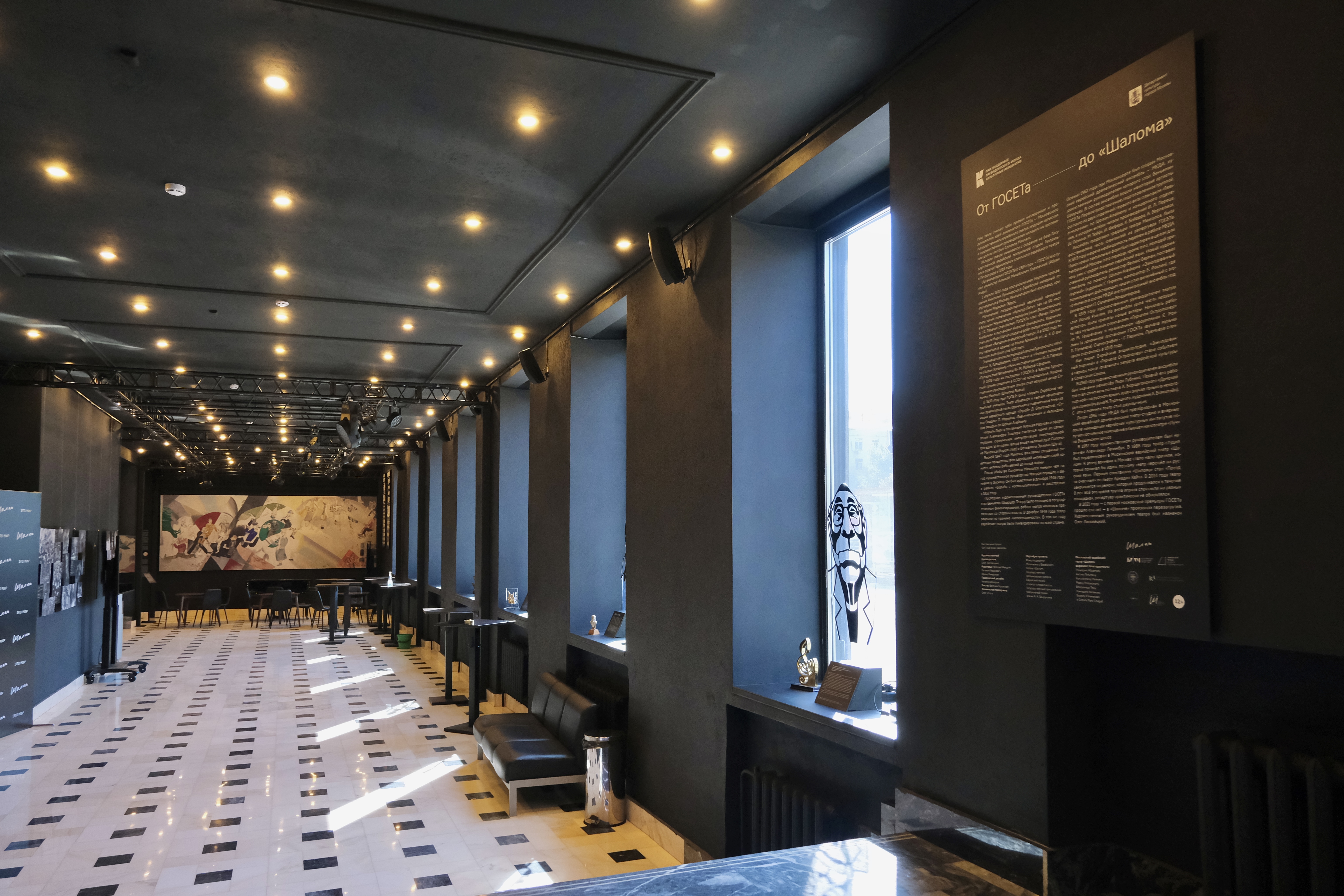
On September 14, 2024, the Moscow Shalom Theater began its current season by opening the new exhibition From GOSET to Shalom, dedicated to the contribution of Jewish and Yiddish culture to the development of performing arts in general and to the history of the Soviet state Jewish theater.

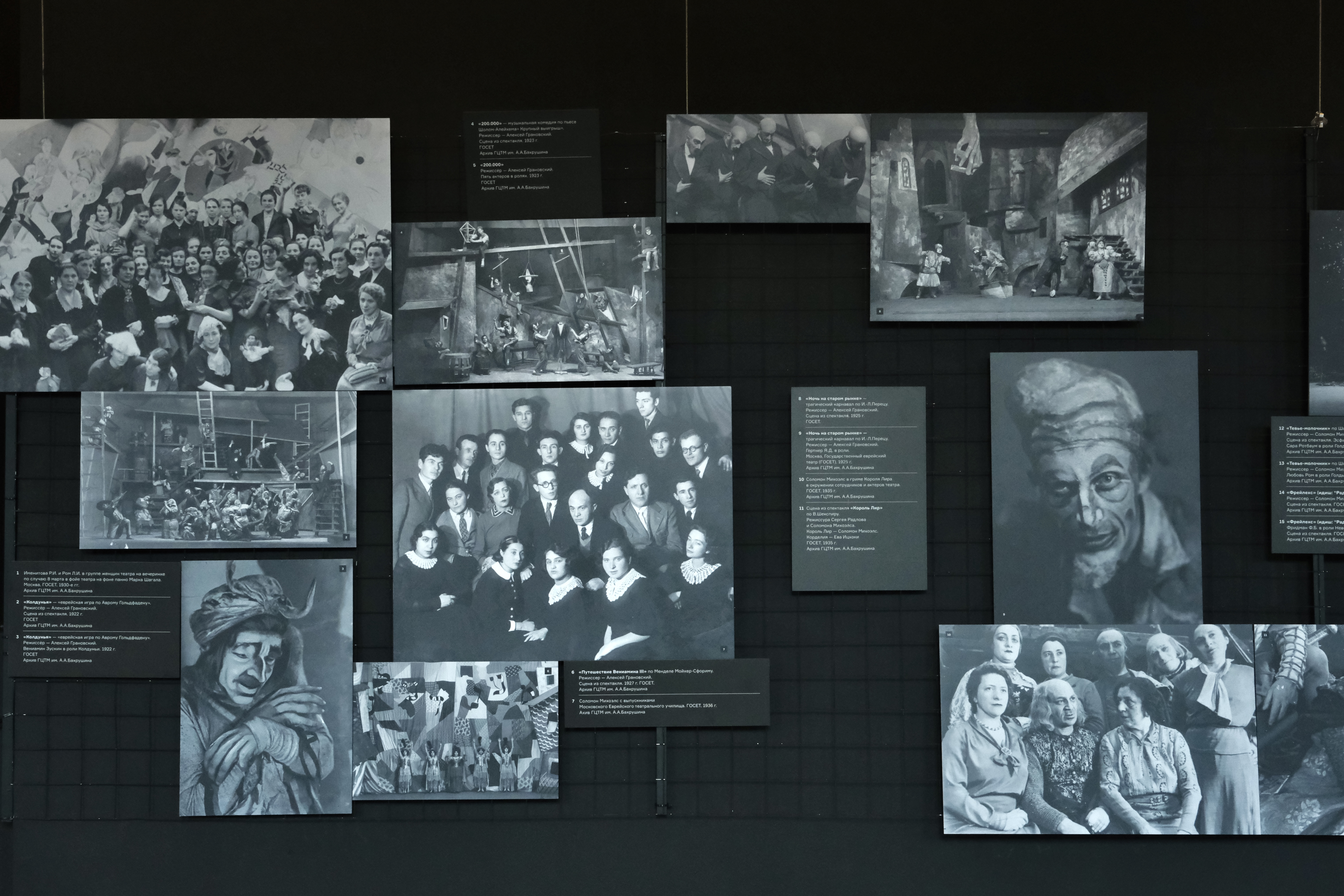
The Shalom Theater considers itself a direct heir and successor of the famous GOSET, the Moscow State Jewish Theater directed by Solomon Mikhoels, whose history dates back to 1917, when the Pale of Settlement was abolished, and to 1919, when the first Soviet Jewish theater was established in Petrograd by the Theater Department of the People’s Commissariat of Education.

GOSET was closed in 1949. After a long break, in the fall of 1962, the Moscow Jewish Drama Ensemble (MEDA) was created by the cultural organizarion Mosconcert and Veniamin (Binyomin) Schwarzer became its artistic director. Some of the GOSET artists joined the ensemble. In 1986, MEDA was transformed into the Moscow Jewish Drama Theater Studio, and in 1988 it was given its current name Shalom.

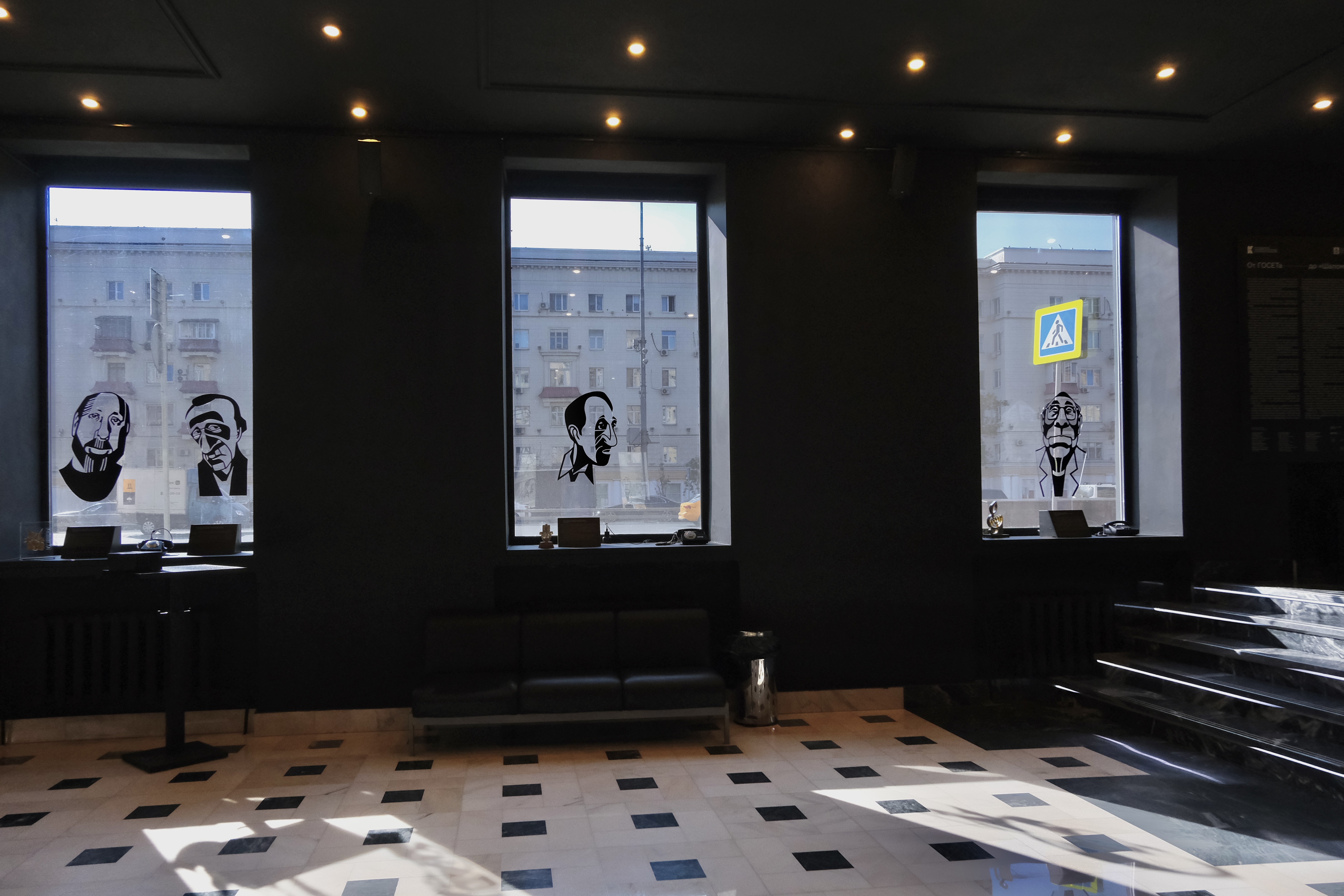
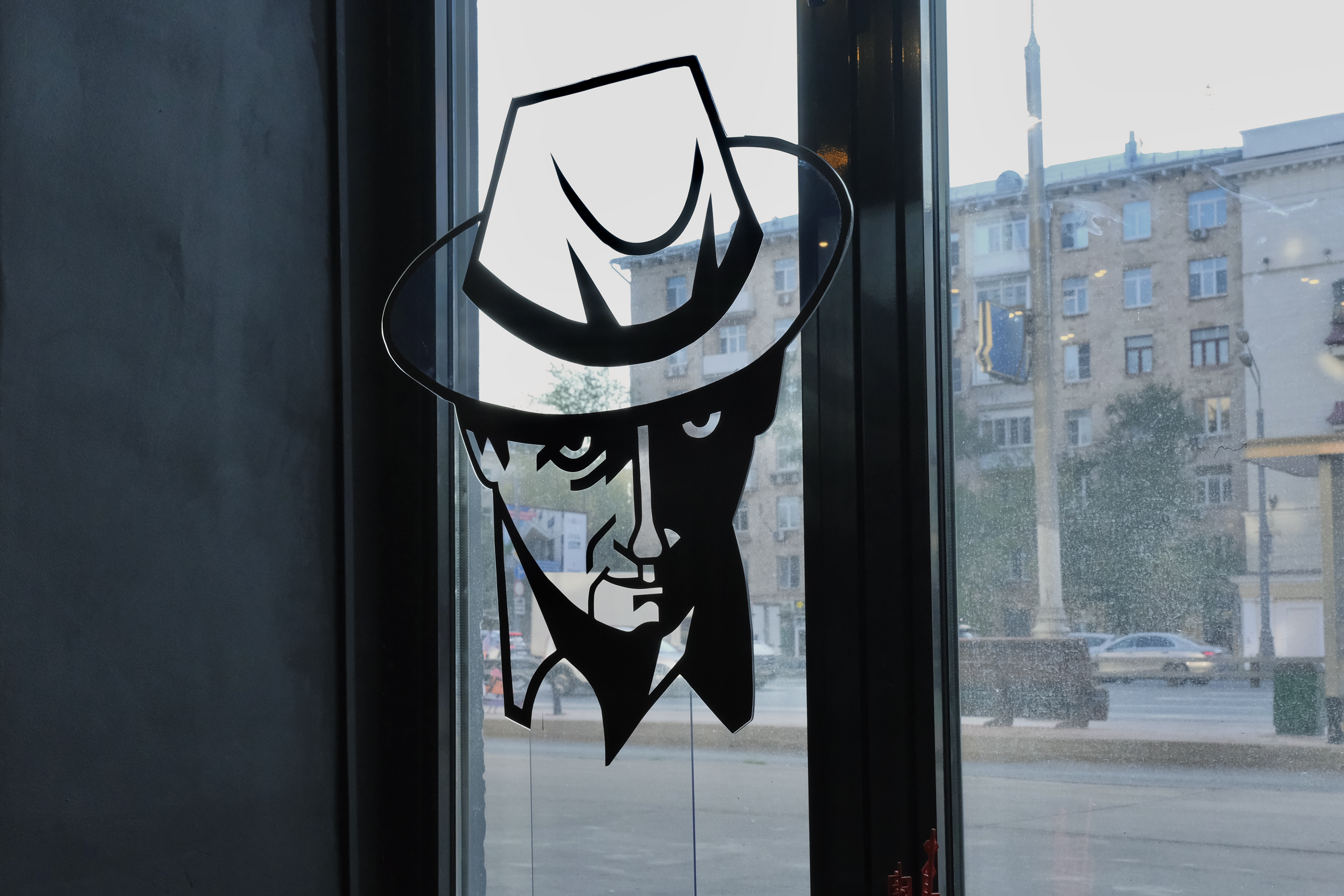
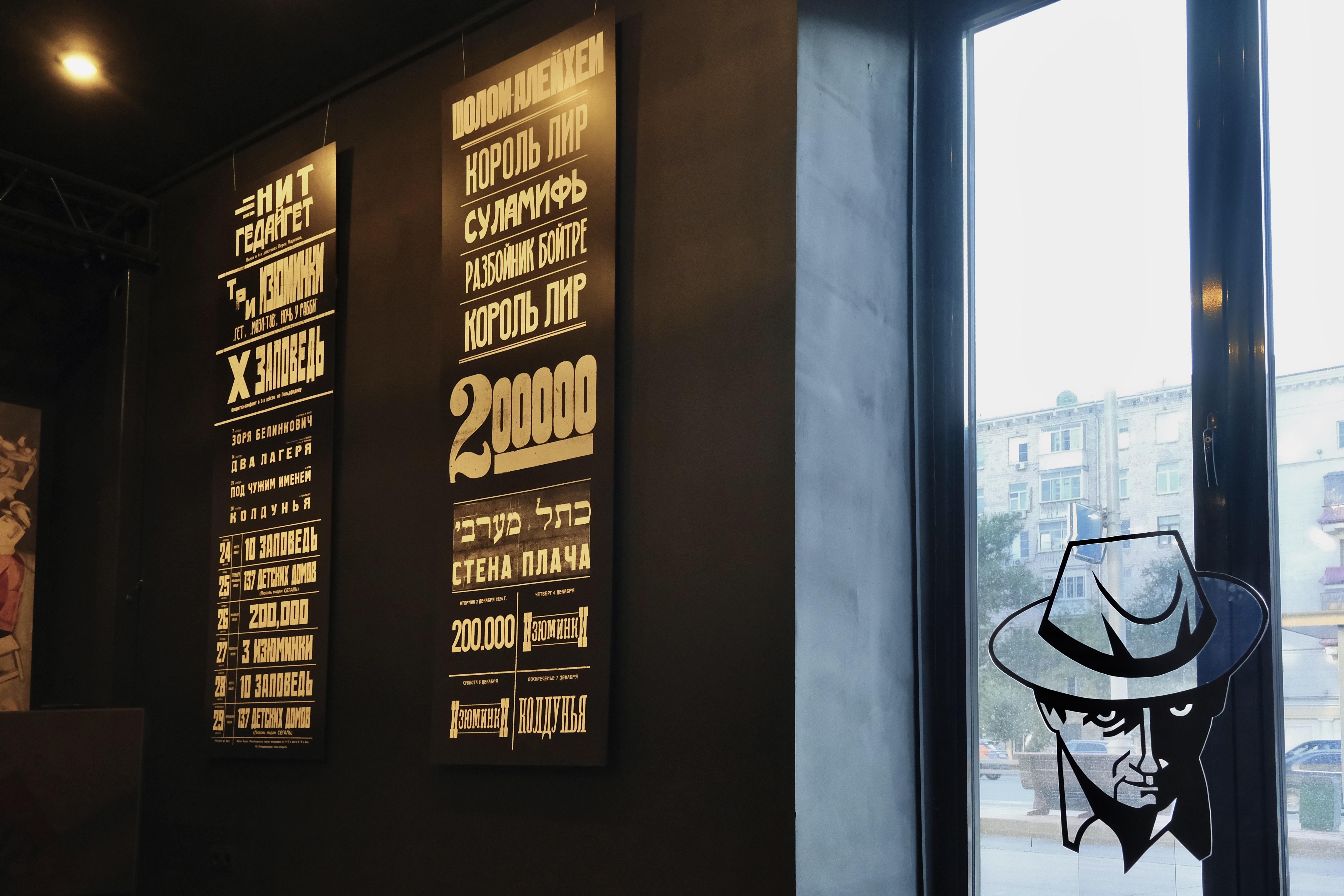
The curators of the exhibition, historian and journalist Evgenia Gershkovich, artist and designer Natalya Shendrik, historian Irina Pekarskaya focus on the bright personalities of the Jewish theater’s directors through the entire period from the original GOSET to Shalom. The directors’ portrait gallery was created by the graphic artist Vladimir Tyan. Tribute is also paid to the actors who dedicated their lives to the Jewish theater. One can see their faces and names in the photographs and videos of Oleg Lipovetsky’s concert performance Shalom 48-23.

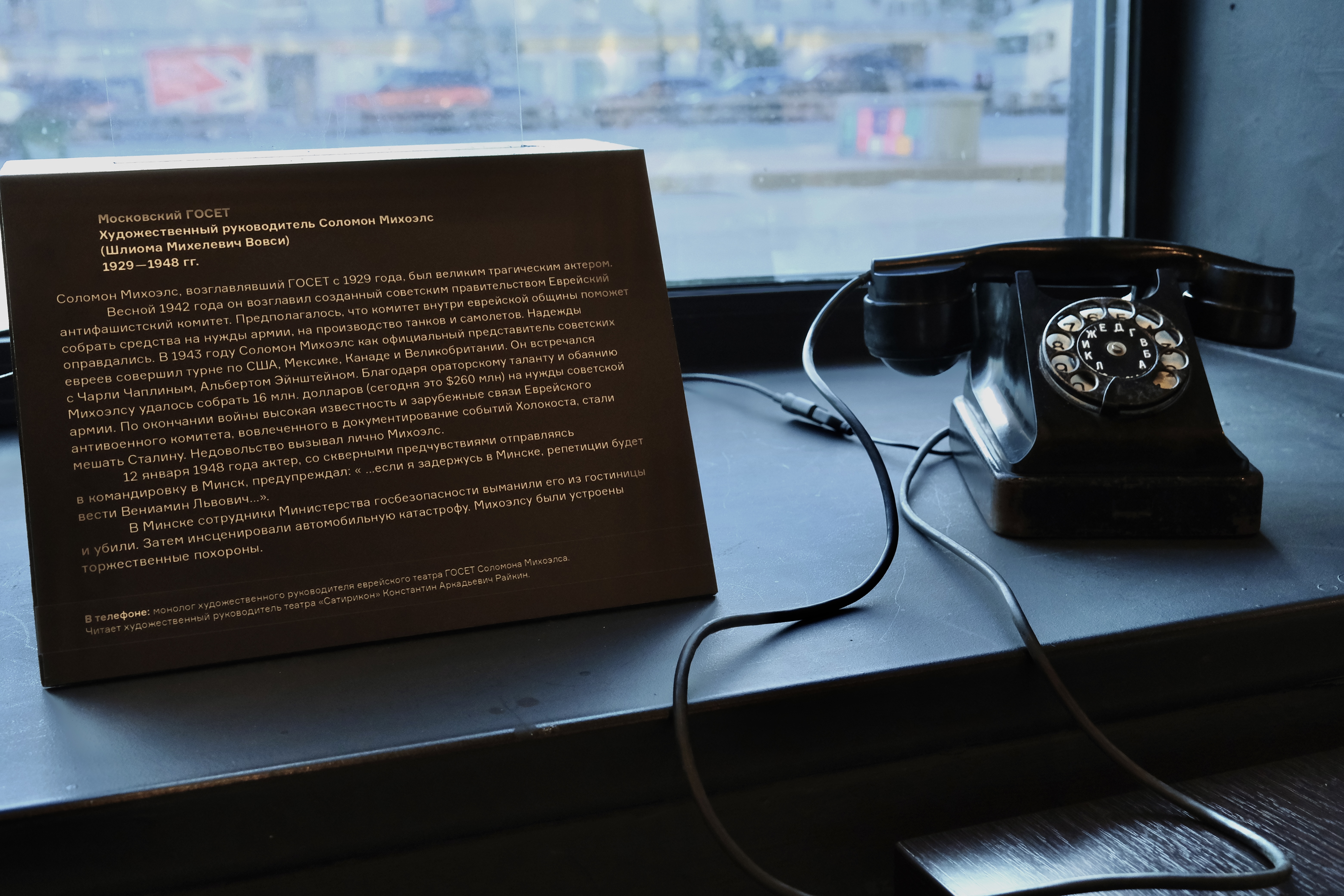
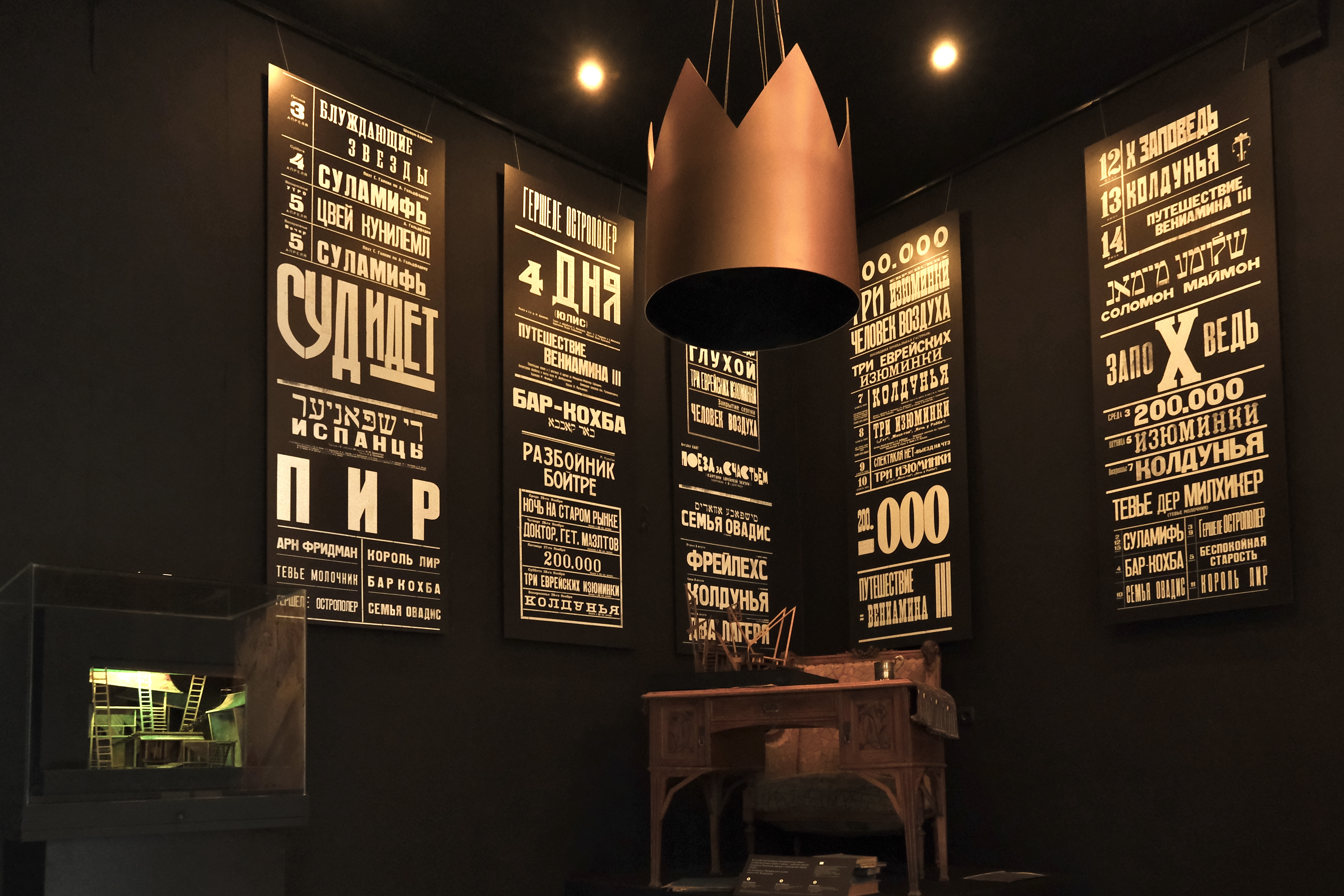
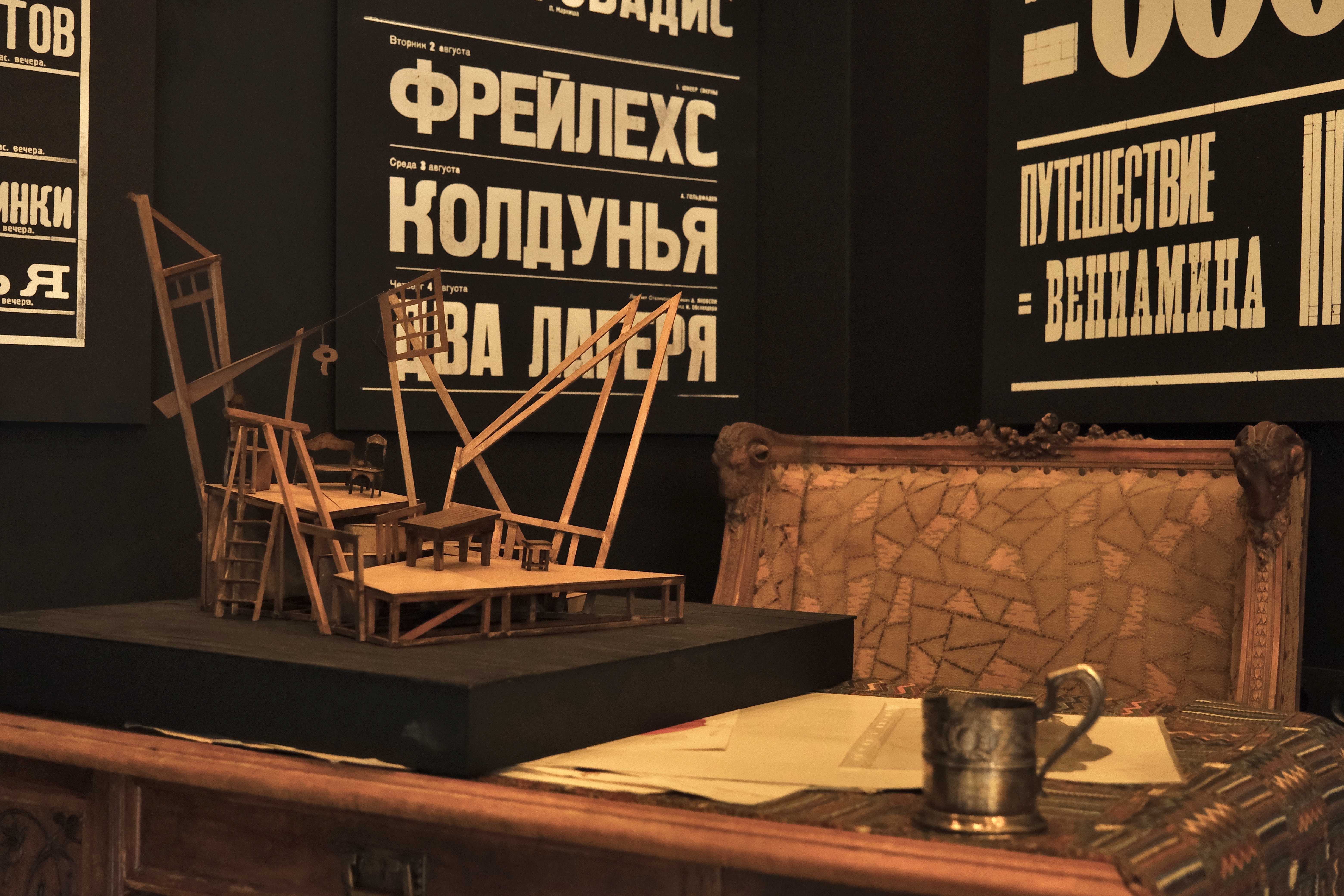
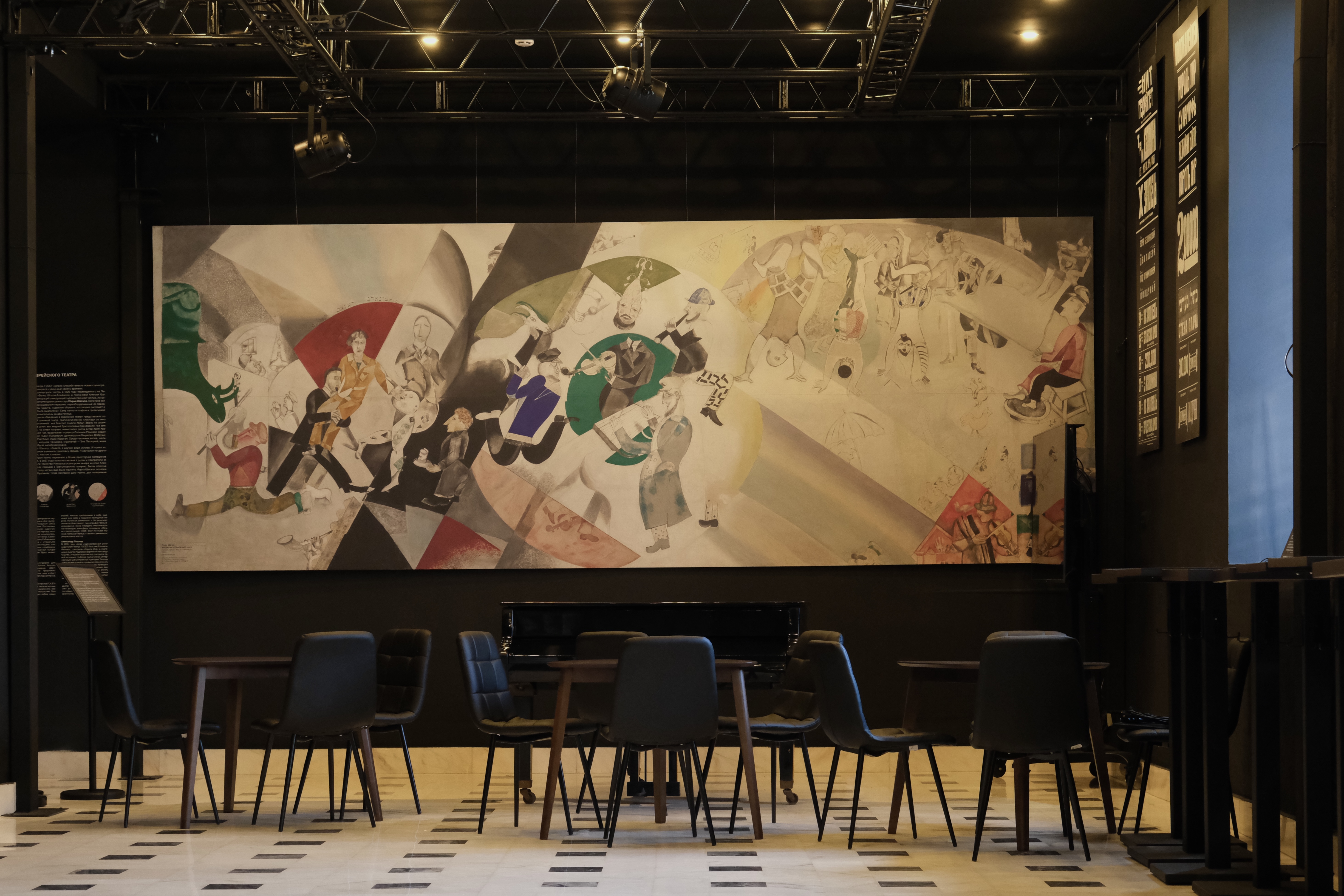
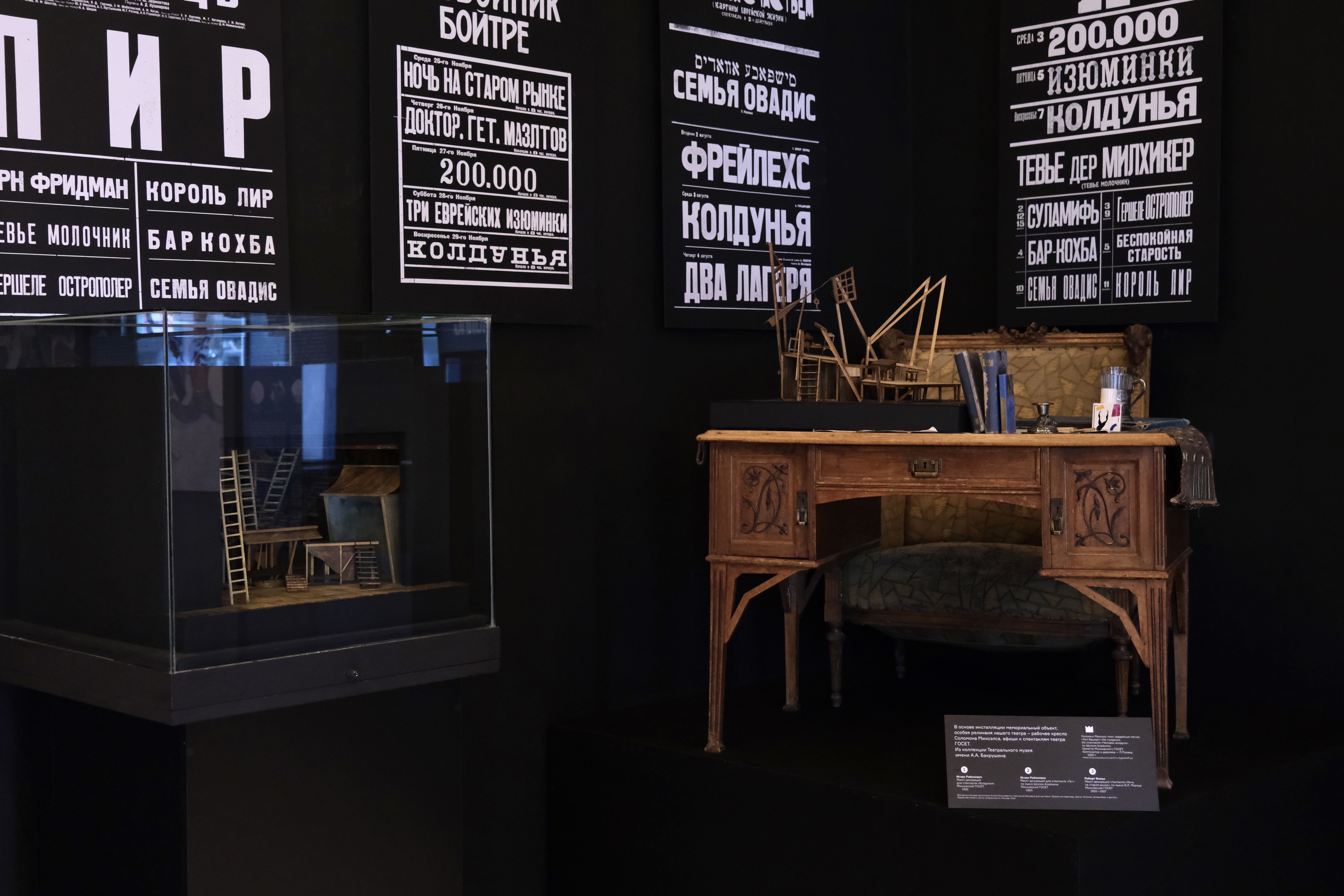
In addition, the exhibition presents rare archival materials related to the history of GOSET, including scenery models, posters, Solomon Mikhoels’ desk and armchair, and a full-size copy of Marc Chagall’s panel from the cycle Introduction to the Jewish Theater.

The exhibition’s partners are the Tretyakov Gallery, the Moscow Jewish Museum and Tolerance Center, the Bakhrushin Theatre Museum and the The Comité Marc Chagall (France).
 © Photo credit: 2024 Polina Kukushkina. All rights reserved.

Yiddish in Berlin

Yiddish in Berlin

Yiddish in Berlin

The 4th Summer Program for Yiddish Language and Literature in Berlin is being held at the Free University of Berlin from August 12 to 30, 2024. The pedagogical team under the direction of Prof. Yitskhok Niborski offers intensive language courses, lectures, film screenings and various workshops.

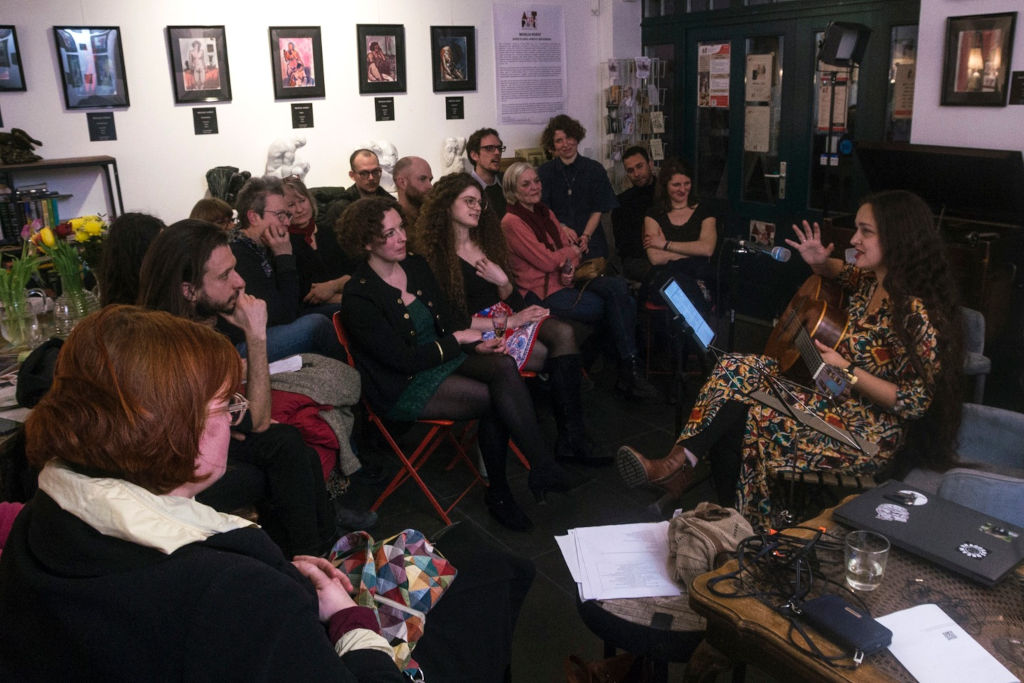
At the same time, Yiddish.Berlin, an informal group of artists, scholars and activists dedicated to Yiddish, celebrate its 5th anniversary. As one of its recent activities related to this celebration, from August 15 to August 28, the group is presenting the exhibit NATO in Yiddishland by Yevgeniy Fiks, which satirizes the dangerous pathos of fervent nationalism and militarism. The exhibit’s organizers believe this pathos has no place in Yiddisland — the virtual and extraterritorial country of Yiddish.

Yiddish.Berlin

Linguist’s Review of Beregovsky’s Index

Linguist’s Review of Beregovsky’s Index

Linguist’s Review of Beregovsky’s Index

Opera Musicologica, the academic journal of the St. Petersburg Conservatory, has published a review of the book Moisei Beregovsky: Biobiographical Index produced under the auspices of our project. Beregovsky (1892 – 1961) was a great Soviet Jewish folklorist often considered the foremost ethnomusicologist of Eastern European Jewry.
The reviewer, Dr. Larissa Naidich, is a professor of linguistics at the Hebrew University of Jerusalem. The book’s compiler, Dr. Evgenia Khazdan, is a well known musicologist based in St. Petersburg.
The review’s author notes that the book contains convenient indexes, and that its significance goes far beyond the biobiographical material on the life and work of one individual musicologist. Naidich writes: “One can say with confidence that today no researcher of the Ashkenazi Jewish musical tradition will pass by this Index compiled by Evgenia Khazdan.”
Dr. Naidich emphasizes that the book can also be useful for linguists studying the Yiddish language. We are happy to remind our readers that the electronic version of the bilingual (Russian and English) book on Moisei Beregovsky is publicly available on our web portal and, thanks to the availability of the entire text in English, is accessible to a wide readership in different countries.