Book on Vilnius Jewish Folk Theater
Book on Vilnius Jewish Folk Theater
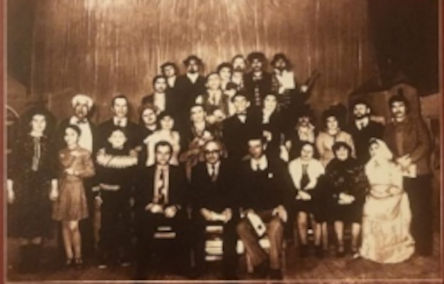
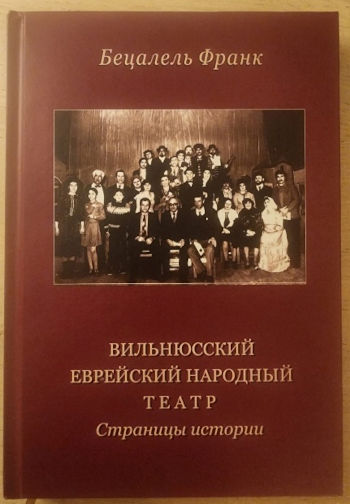 On September 8, 2023, a presentation of Betzalel Frank’s newly published Russian language book “Vilnius Jewish Folk Theater. Pages of History” took place at the building of the Lithuanian Jewish Community in Vilnius.
In the late 1940s, during Stalin’s anti-Semitic campaign, virtually all public Jewish cultural events in the USSR were banned. This ban was lifted in 1956; Jewish amateur actors and singers then immediately reappeared in Vilnius, performing in Yiddish. The Vilnius Jewish Folk Theater, created in 1971, remained active until 1999. It ceased to exist due to the mass emigration of most Lithuanian Jews to Israel.
Betzalel (Tzalik) Frank is a former actor of the Vilnius Jewish Folk Theater who now lives in Israel. For many years he has been collecting materials related to this theater, which for almost three decades preserved not only the tradition of Jewish stage art in Lithuania, but also helped to preserve the Yiddish language itself. As a result of his labors, Frank presented in Vilnius his new richly illustrated book of memoirs.
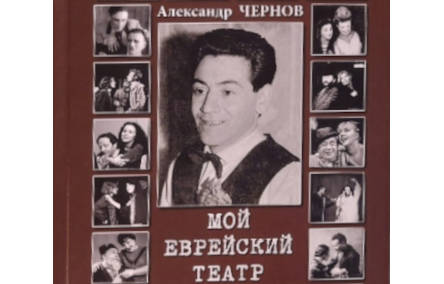
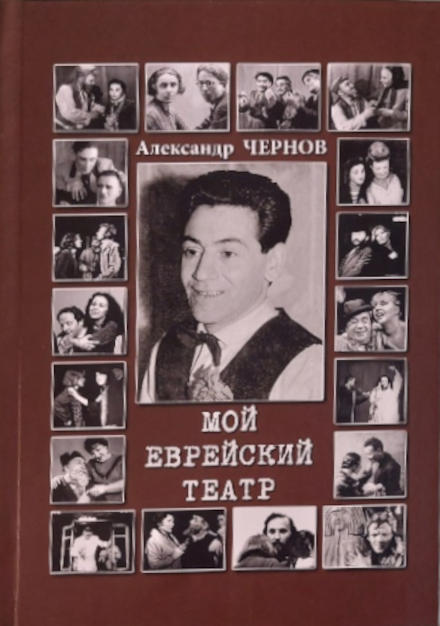 The Tel Aviv publishing house Beit Nelli published Alexander Chernov’s monumental documentary volume “My Jewish Theatre”. The book, written in Russian, with 450 pages of text and about 350 illustrations, is devoted almost entirely to the history of the Moscow Jewish Drama Ensemble (since 1988 – Moscow Jewish Theater Shalom). The ensemble was created in 1962 by a group of former GOSET (Moscow State Jewish Theatre) actors headed by Binyomin (Veniamin) Schwarzer.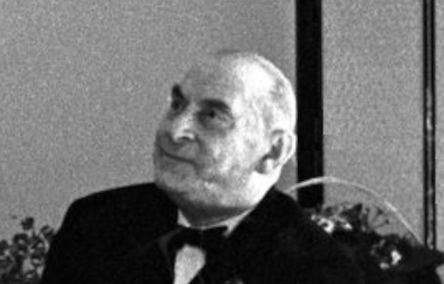
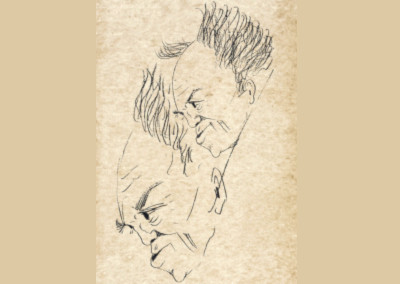
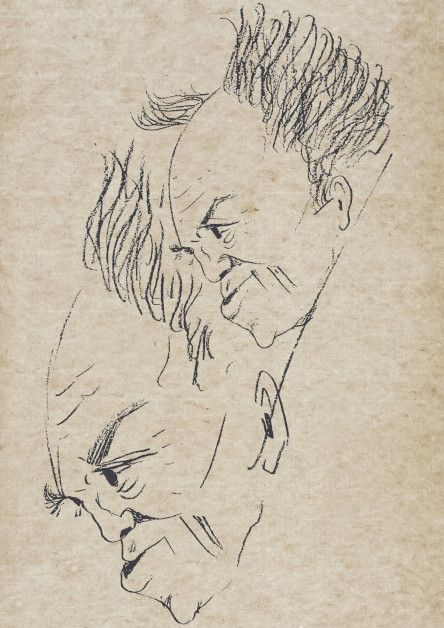
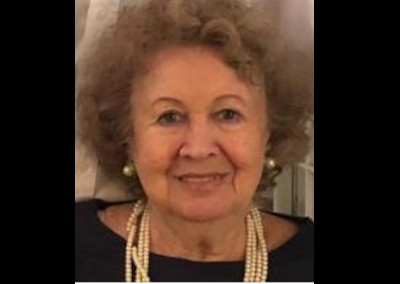
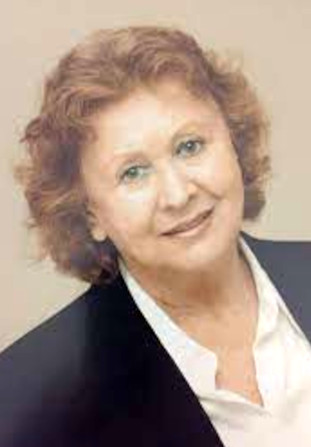 On March 8, 2023, the famous Israeli actress, radio host, singer and journalist Leah Shlanger passed away at the age of 91. Her Yiddish radio broadcasts were heard for many decades on the New York radio WEVD and the Israeli station Kol Yisrael. During the last years of her life, she published essays in the American Internet magazine Yiddish Branzhe.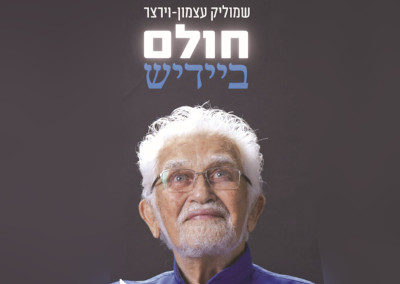
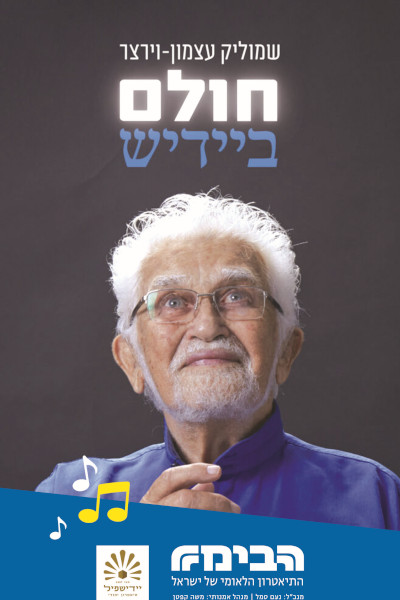 On February 17, the Habima Theater in Tel Aviv hosted a event celebrating one of the most famous veterans of the Israeli theatrical stage, actor and director Shmuel Atzmon (born in 1929). Habima is the famous historical symbol of modern Hebrew theater. The event was named after Atzmon’s 2022 book: Kholem be-Yiddish (Hebrew: “Dreaming in Yiddish”).
Although this theater is strongly associated with Hebrew, the celebration was held in both Hebrew and Yiddish. It included performances by the actors of the Habima Theater, where Shmuel Atzmon performed for many years, and of the Yiddish theater Yiddishpil, which he founded in Tel Aviv in 1987, thereby realizing his own dream of preserving and developing the tradition of Yiddish theatrical art.
On February 17, the Habima Theater in Tel Aviv hosted a event celebrating one of the most famous veterans of the Israeli theatrical stage, actor and director Shmuel Atzmon (born in 1929). Habima is the famous historical symbol of modern Hebrew theater. The event was named after Atzmon’s 2022 book: Kholem be-Yiddish (Hebrew: “Dreaming in Yiddish”).
Although this theater is strongly associated with Hebrew, the celebration was held in both Hebrew and Yiddish. It included performances by the actors of the Habima Theater, where Shmuel Atzmon performed for many years, and of the Yiddish theater Yiddishpil, which he founded in Tel Aviv in 1987, thereby realizing his own dream of preserving and developing the tradition of Yiddish theatrical art.