New Work on Yiddish Dialects

New Work on Yiddish Dialects

New Work on Yiddish Dialects

The publishing house of the Philipps University of Marburg in Germany published Dr. Lea Schäfer’s study “Syntax and Morphology of Yiddish Dialects: Findings from the Language and Culture Archive of Ashkenazic Jewry”. The archive mentioned in the subtitle of this monograph was created at Columbia University, has been digitized and is now publicly available online to all researchers.

Media Coverage of Sholem Aleichem Monument

Media Coverage of Sholem Aleichem Monument

Media Coverage of Sholem Aleichem Monument

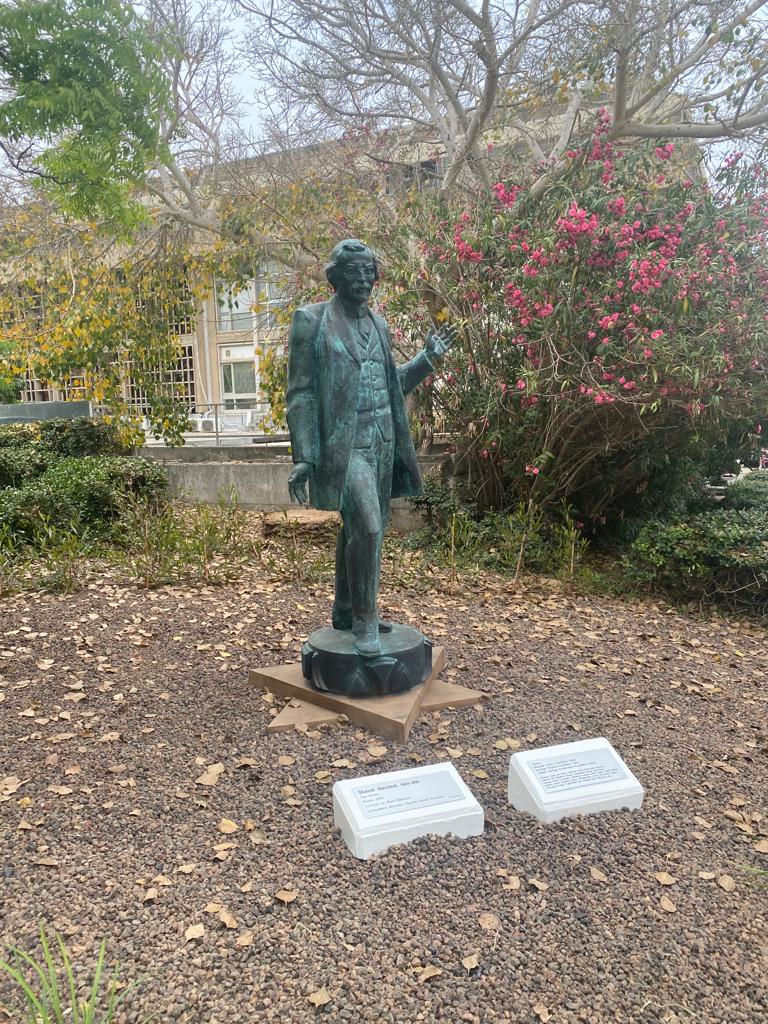
News about Sholem Aleichem’s statue recently unveiled at Tel Aviv University have been published by two major Jewish media sources: Jerusalem Post and the Forward. Below we are reposting the text of the JP’s article:

June 16, 2023

Remembering the Yiddish Literature Great, Sholem Aleichem

■ IT’S DOUBTFUL that anyone outside the world of Yiddish literature has ever heard of Solomon Naumovich Rabinovich, but even non-Jews have heard of Sholem Aleichem, which was Rabinovich’s pen name.

Credit: Yuval Yosef

Every now and again there is a big revival of Yiddish. Young people who feel they have missed out on part of their heritage, attend Yiddish classes in various parts of the world, as far removed from each other as Lithuania, Israel and Australia, plus many others. In Israel, in addition to Sholem Aleichem House in Tel Aviv, Yiddish is taught at a number of institutes of higher education and on an informal basis through Yiddishpiel Theater and Yung Yidish.

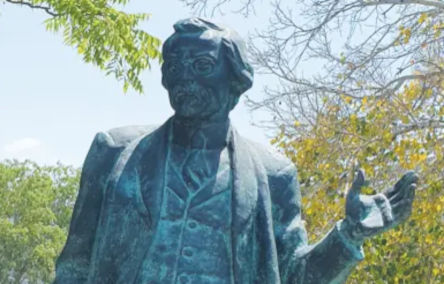
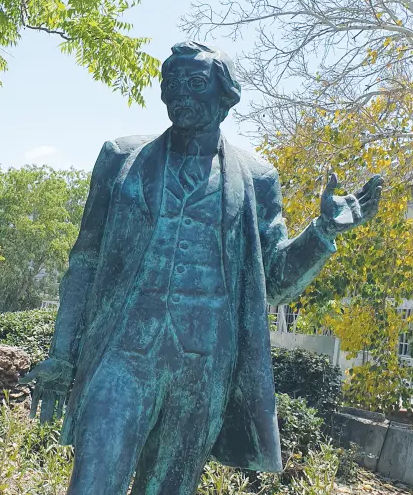
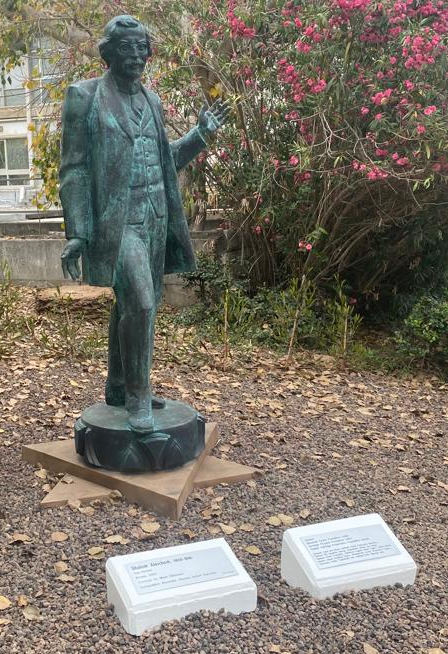
One of the institutes of higher education that includes Yiddish classes in its curriculum is Tel Aviv University, which earlier this month became the on-campus repository of a bronze, life-size statue of Sholem Aleichem created by sculptor Yury Chernov. Located close to the ANU Museum, it is an all-weather reminder of how much joy and laughter Sholem Aleichem brought not just to thousands of people, but literally to millions across the decades. Fiddler on the Roof is based on his story about his character Tevya the Dairyman. “This is the beginning of a new era,” said Daniel Galay, the chairman of Leyvik House, the Association of Yiddish Writers and Journalists in Israel.

The commissioning of the statue and its placement was the brainchild of Dr. Mark Zilberquit: a Moscow-based author publisher and founder of the Yiddish Heritage Preservation Foundation, whose goal is to preserve Yiddish language and culture which was the common denominator of the majority of European Jews before the Holocaust.

This foundation was among the donors to the project, as was the Blavatnik family whose foundation engages in international philanthropy – mostly in education and culture – and is well known for its sterling support of London’s Tate Gallery.

In New York, it also founded the Blavatnik Archives which are dedicated to the study of 20th-century Jewish and world history with special emphasis on the World Wars I and II and Soviet Russia.

The Yiddish Heritage and Preservation Foundation has a strong connection with Tel Aviv University and provides scholarships for students studying various aspects of Yiddish culture.

The statue of Sholem Aleichem is part of a pilot project. If all goes well, it may become the nucleus of a Yiddish literature sculpture garden, with statues of figures such as Isaac Bashevis Singer, I.L. Peretz, Avraham Sutzkever, Sholem Asch, Itzik Manger, Kadia Molodowska, Avraham Goldfaden, Esther Kreitman and others.

New Tribute to Yiddish Culture at Tel Aviv University

New Tribute to Yiddish Culture at Tel Aviv University

New Tribute to Yiddish Culture at Tel Aviv University

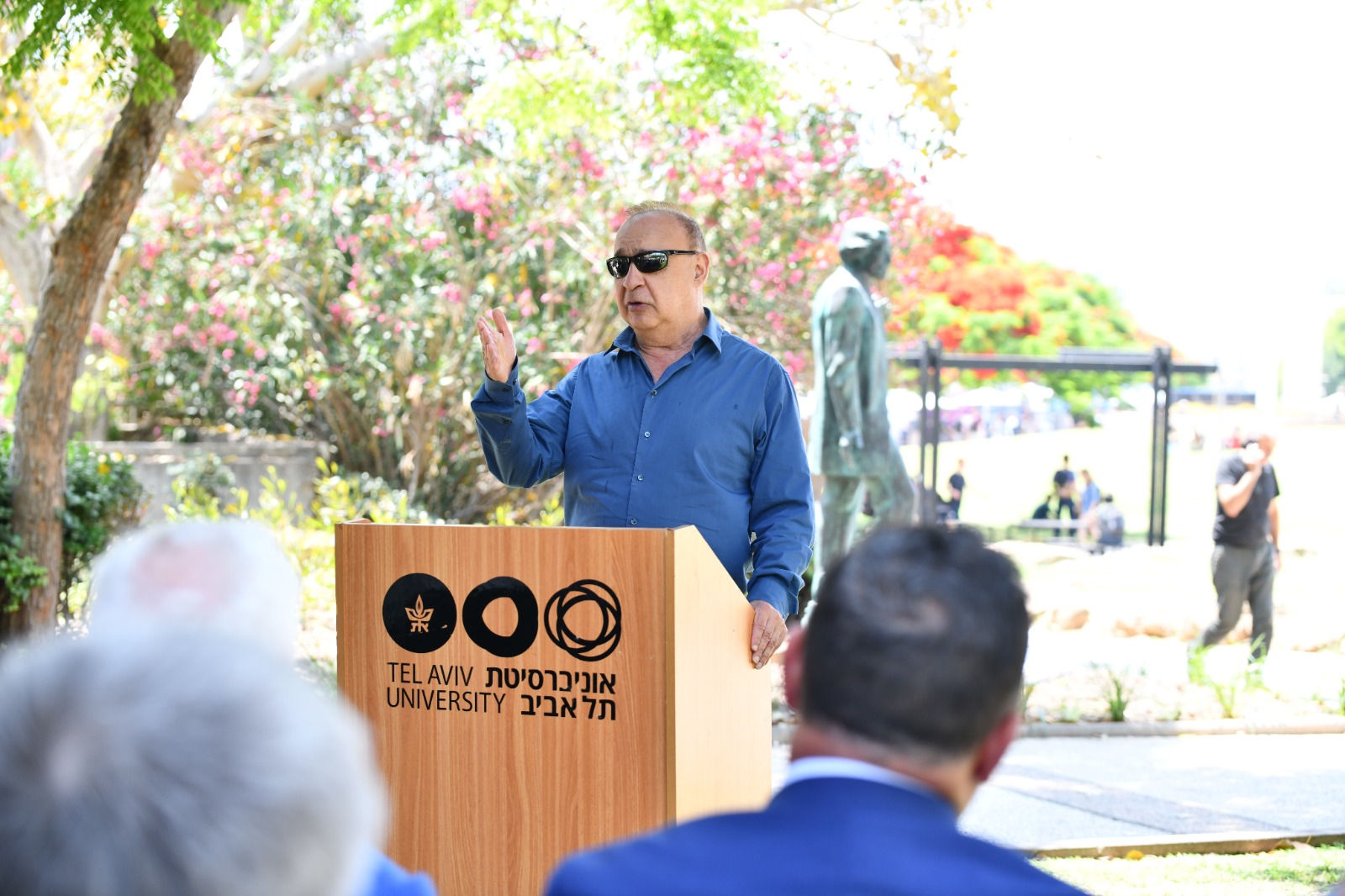
As we already have informed our readers, a statue of the great Yiddish writer Sholem Aleichem has been recently inaugurated at Tel Aviv University. The inauguration event, which took place on June 6th, 2023, was the culmination of an important project spanning over three years.

The monument is a generous gift of two charitable foundations: the Heritage Projects Foundation (USA) and the Yiddish Heritage Preservation Foundation (Israel). Our website, among other important initiatives, is also a result of these foundations’ activities.

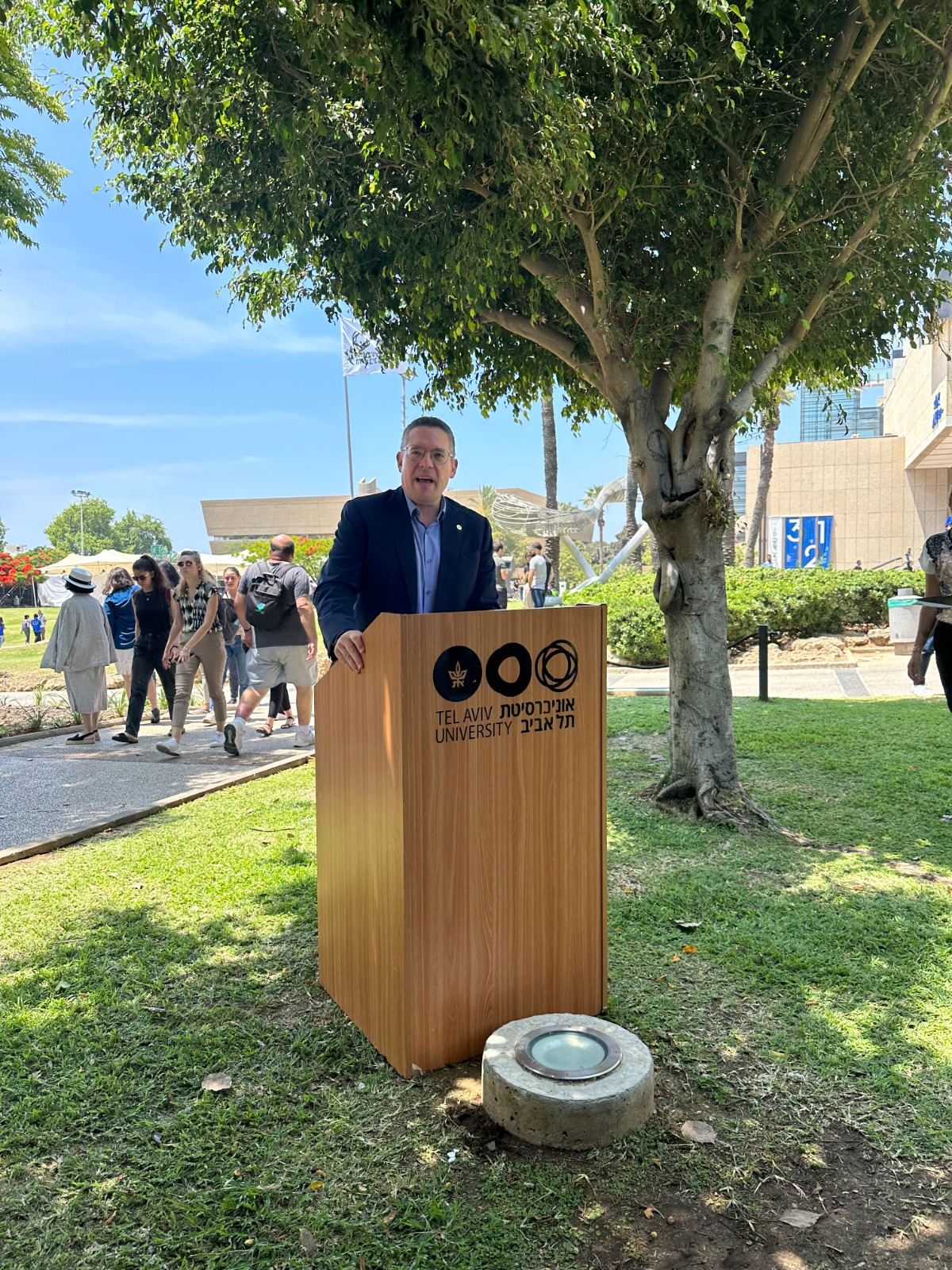
The inauguration ceremony was led by the administration of Tel Aviv University. Among the attendees were President Prof. Ariel Porat, Vice President Mr. Amos Elad, and Dr. Haim Ben Yakov, the director general of the Euro-Asian Jewish Congress, and others. Among the speakers were Prof. Ariel Porat, Leonard Blavatnik, the founder of the Blavatnik Family Foundation, Dr. Mark Zilberquit, the president of the Yiddish Heritage Preservation Foundation, and Dr. Yair Lipshitz. Other distinguished professors, university lecturers and special guests were also present, including Alexander Chernov, the nephew of the monument’s author, sculptor Yuri Chernov, as well as Julia Zilberquit, the executive director of the Yiddish Heritage Preservation Foundation.

Dr. Mark Zilberquit expressed his excitement about his recently introduced initiative: the interdisciplinary Yiddish program, which will be added to the university’s educational system starting from the upcoming academic year 2023-2024. This program will involve not only studying the Yiddish language as such, but also provide novel approaches to the studies of history of Yiddish culture, using Dr. Zilberquit‘s important discoveries as primary materials: previously unknown or nearly forgotten music, theater, art and literature artifacts. The new studies will be coordinated by Dr. Yair Lipshitz and Dr. Ruthie Abeliovich.

After the monument’s unveiling ceremony, Dr. Mark Zilberquit presented our website – Yiddish-Culture.com – to the audience.

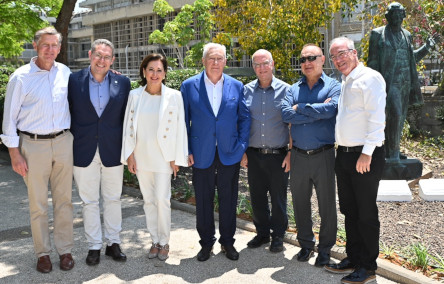
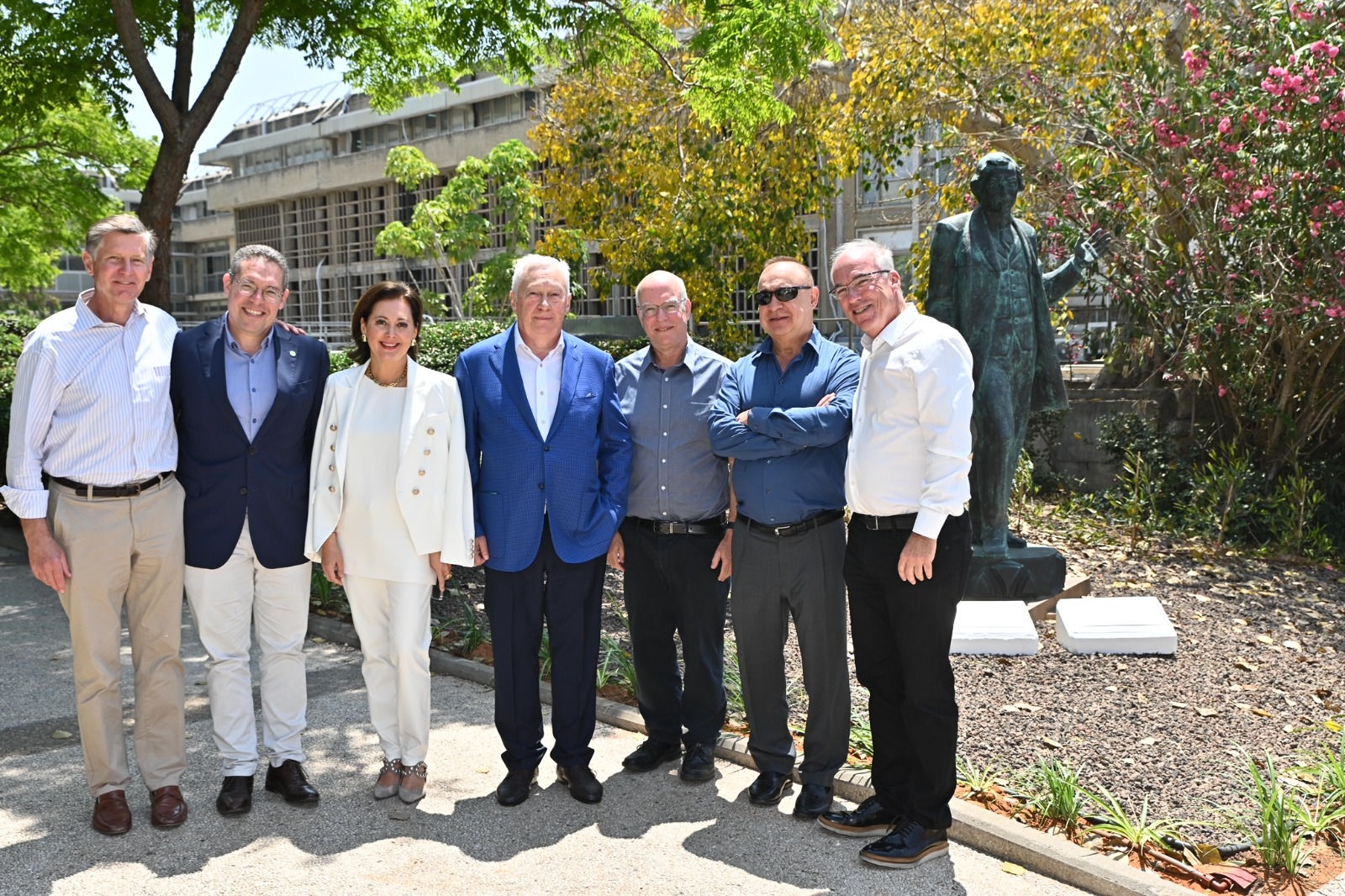
Peter Thoren, Amos Elad, Julia Zilberquit, Mark Zilberquit, Ariel Porad, Leonard Blavatnik, Avi Fisher.


Pictures: Yuval Yosef

Yiddish Education

Yiddish Education

Yiddish Education

World Study Centers

Yiddish at Tel Aviv University

Goldrich Family Institute

Yiddish Culture: Practical Engagement

International Summer Program

Online Study Resources

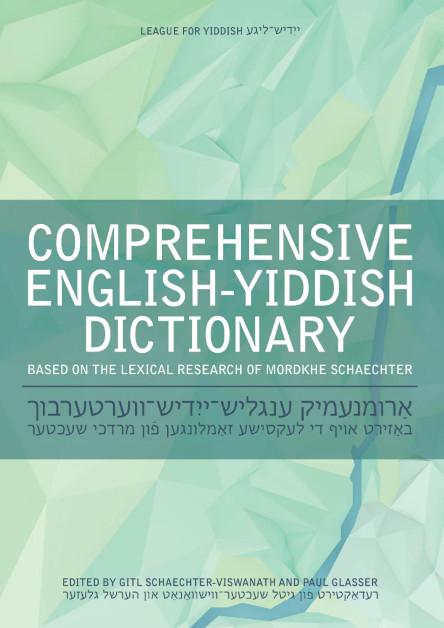
Comprehensive English-Yiddish Dictionary

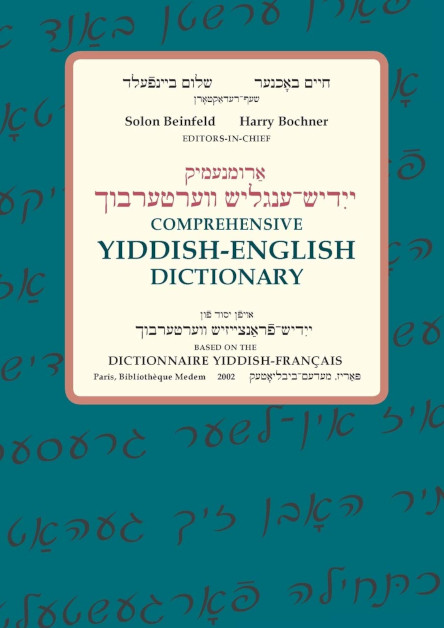
Comprehensive Yiddish-English Dictionary

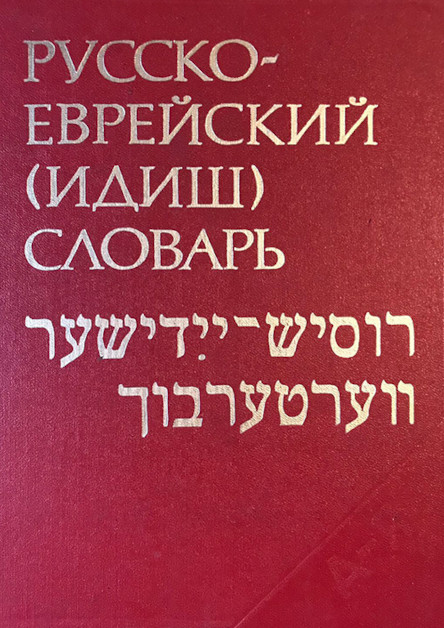
Russian-Yiddish Dictionary

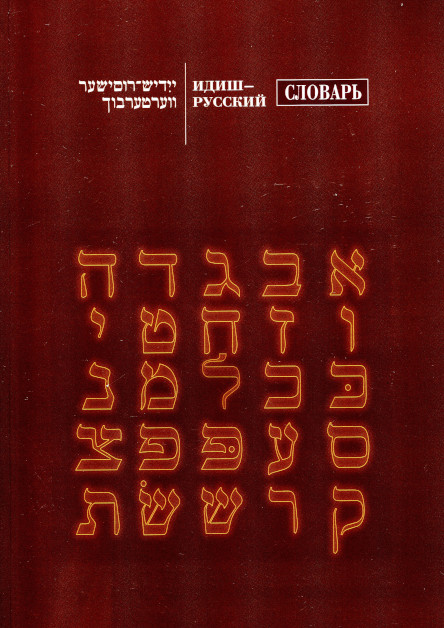
Yiddish-Russian Dictionary

Yiddish Online Resources

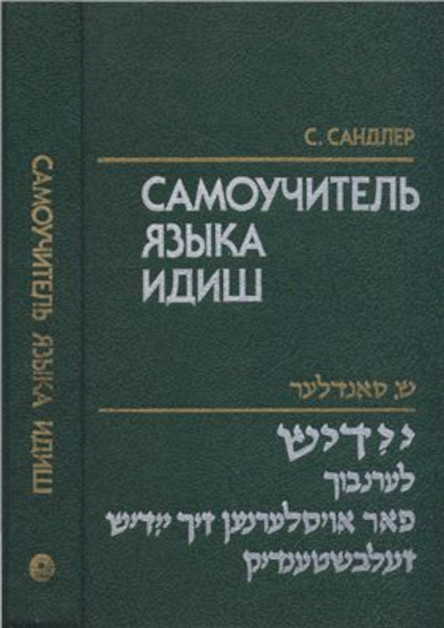
Yiddish Manual (in Russian)

Yiddish Duolingo

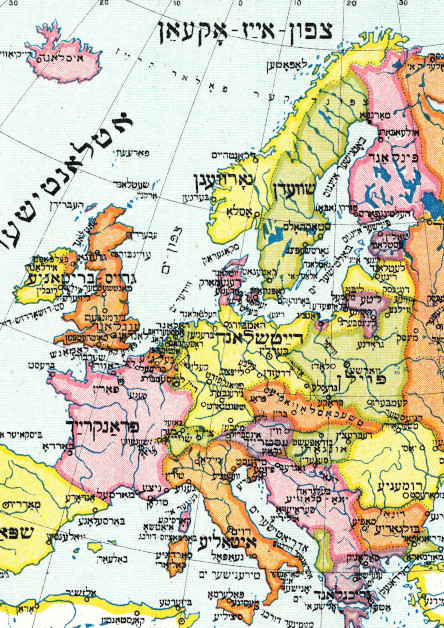
Yiddish Dialect Samples

Yiddish Book Center

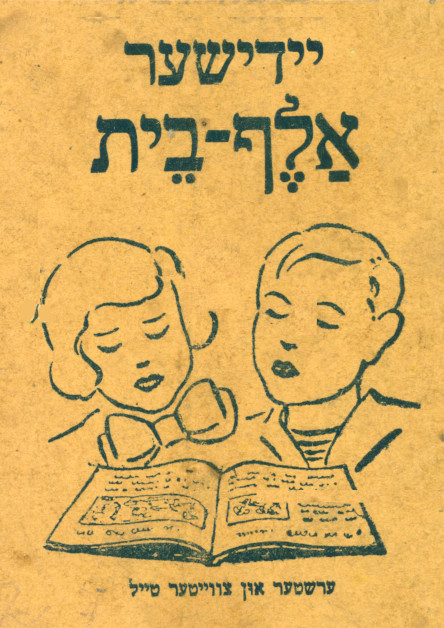
Grammar Books in Yiddish

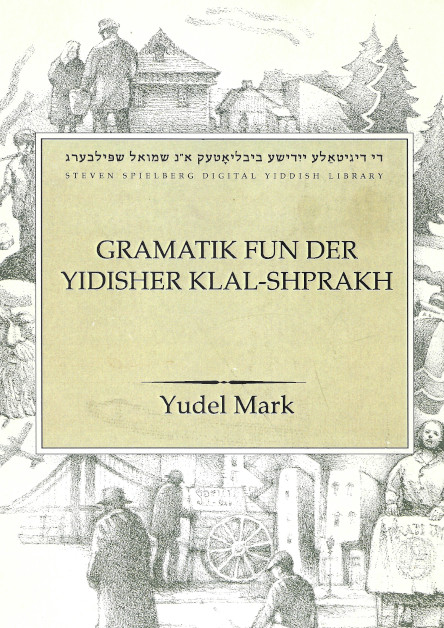
Yudel Mark’s Grammar (in Yiddish)

Semitic Vocabulary in Yiddish

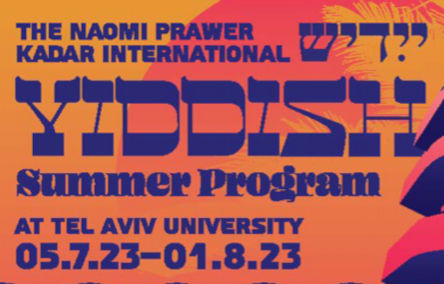
Naomi Prawer Kadar International Yiddish Summer Program

Naomi Prawer Kadar International Yiddish Summer Program

Naomi Prawer Kadar International Yiddish Summer Program

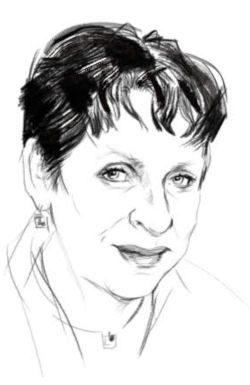
Naomi Prawer Kadar

Dr. Naomi Prawer Kadar (1949-2010) was an inspiring educator and scholar. As a daughter of Holocaust survivors, she understood the importance of Yiddish culture from a very early age and succeeded to transmit her love for the beauty of Yiddish language and culture to many of her students.

She devoted herself to creating new education programs in Israel and in the USA, developing curricula, training teachers and ensuring that her beloved Yiddish language would be cherished by future generations. Despite her extensive professional obligations, she always found time to teach and to build relationships with students. She held teaching positions in academic institutions such as Columbia University and the Jewish Theological Seminary. During the summers, she taught Yiddish at various summer programs across the world. Naomi’s spirit and contributions continue to make a profound impact on the lives of thousands of students around the world through the initiatives of the Naomi Foundation.

The Naomi Prawer Kadar International Yiddish Summer program offers intensive Yiddish instruction at four levels in person, as well as an intermediate Yiddish program for online students. Its faculty, directed by Prof. Hana Wirth-Nesher (Tel Aviv University) and ​Prof. Avraham Novershtern (Hebrew University), includes Eliezer Niborski and Dr. Miriam Trinh.

Eliezer Niborski

Niborski, born in Buenos Aires, grew up in a Yiddish-speaking family in Paris. For many years, he has been regularly participating as a Yiddish teacher in intensive educational programs in Tel Aviv, New York, Vilnius and Berlin.

Miriam Trinh

Trinh, born in Poland, has taught Yiddish language and literature at different levels in Paris, Vilnius, Strasbourg, Oxford, New York and in Tel Aviv. She currently teaches Yiddish at the Hebrew University of Jerusalem.

Yiddish Culture: Practical Engagement

Yiddish Culture: Practical Engagement

Yiddish Culture: Practical Engagement

Starting from the academic year 2023-2024, the Tel Aviv University will be embarking on an exciting endeavor that will immerse its students in a collaborative interdisciplinary research of the world of Yiddish culture and heritage, through a combination of theoretical, archival and practical artistic investigation. It will explore the theatrical, musical and literary facets of the contemporary Yiddish culture.

The project will include performance-based and academic research of various aspects of Yiddish culture, its past and current innovations and dynamics. The students will be encouraged to engage creatively and scholarly with the unique archival materials that that are collected by the Heritage Projects Foundation (USA) and the Yiddish Heritage Preservation Foundation (Israel). The materials are already or will be made publicly available on this website (Yiddish-Culture.com).

Interdisciplinary at its core, the project will engage students from various academic and artistic fields around shared annual themes related to Yiddish culture. The first 2024 theme will be called Global Sholem Aleichem.
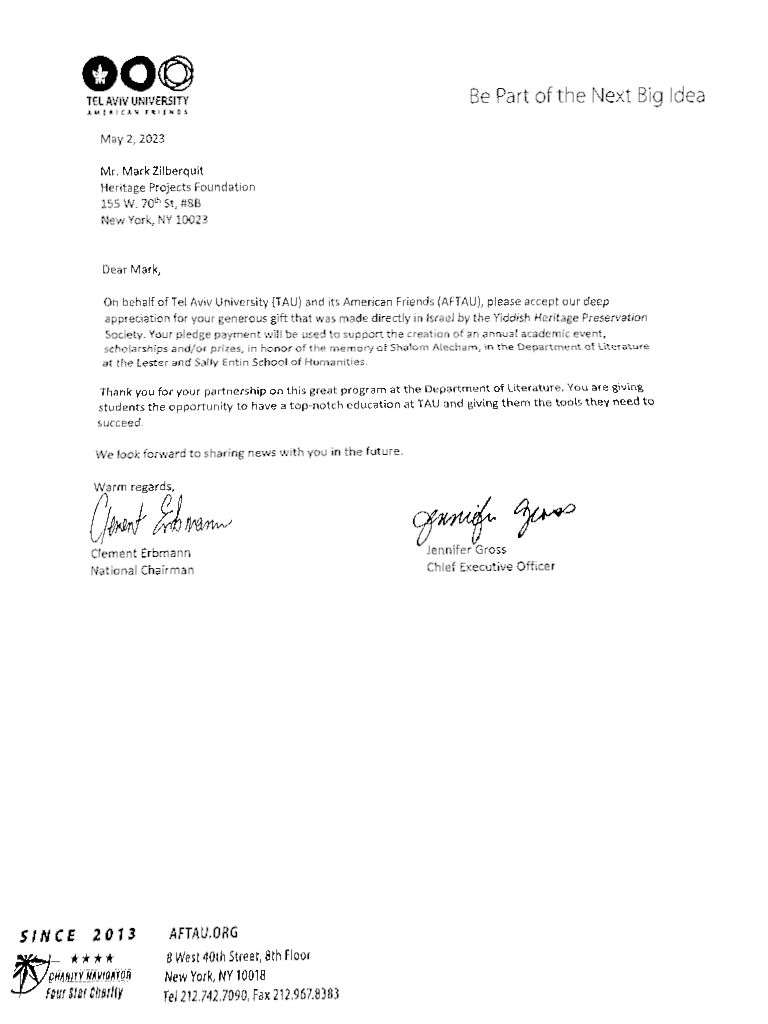
This project is supported by the Roza Lubin Scholarship for collaborative interdisciplinary research in Yiddish Culture and Heritage Preservation, established by Dr. Mark Zilberquit, the founder of the two aforementioned foundations and of this website. The scholarship will be dedicated to interdisciplinary, archival, historical and practice-based research on various aspects of Yiddish culture, including theater, music, film and visual arts.

Each year, the scholarship program will fund a research group of graduate students devoted to Yiddish culture. Each year, the group’s work will be dedicated to one major cultural topic or figure. Examples may include the the global impacts of Sholem Aleichem’s works, Shakespeare’s plays translated into Yiddish, etc. The aim of the research group is twofold: to shed new light on the history of Yiddish culture and its global impact, and to examine how its legacy is still relevant and vibrant in contemporary culture.

The group will be comprised of up to 10 graduate students (MA/MFA/PhD) and two faculty members who will explore together Yiddish artistic works and archival materials, combining historical research with creative practices. Each year, the group’s work will culminate in a performance, an exhibition, or a conference at which the findings of the group will be presented.


2024 Theme: Global Sholem Aleichem
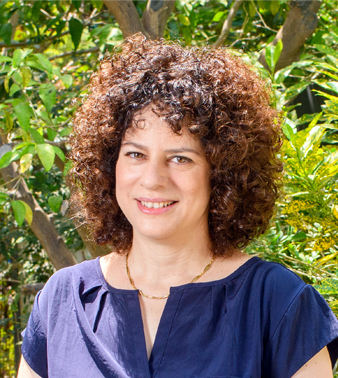
 

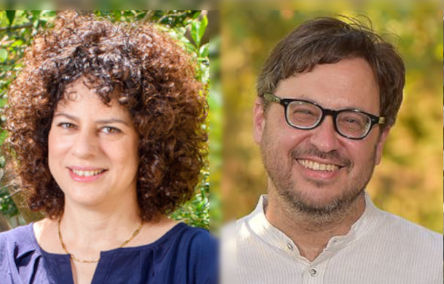
Ruthie Abeliovich

Sholem Aleichem (1859-1916) is among the most celebrated modern Yiddish writers. His works have been performed on the stage across the world in a variety of languages. The researchers engaged in the new program will study the ways by which his plays address issues typical to modern Jewish experience, while also resonating with contemporary cultural, social and political issues across continents and languages, aimed at individual aspects of present-day audiences.
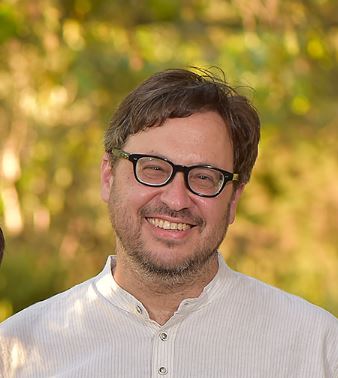
Yair Lipshitz

The project will be coordinated by Dr. Ruthie Abeliovich and Dr. Yair Lipshitz. Abeliovich is a senior lecturer of Theatre and Performance Studies at the Tel Aviv University, the author of Possessed Voices: Aural Remains from Modernist Hebrew Theatre. Lipshitz is a senior lecturer at the Department of Theatre Arts, the head of Tel Aviv University’s Cymbalista Jewish Heritage Center. He is the author of several books on theater and Judaism. His main fields of research are Jewish theater and the intersections between stage performance and Jewish religious traditions.