Sholem Aleichem’s Yahrzeit in St. Petersburg
Sholem Aleichem’s Yahrzeit in St. Petersburg
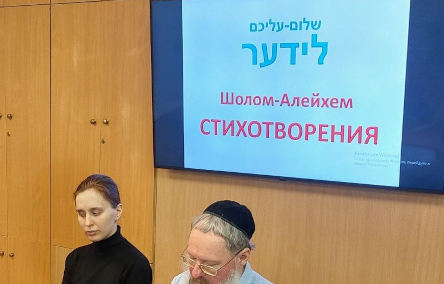
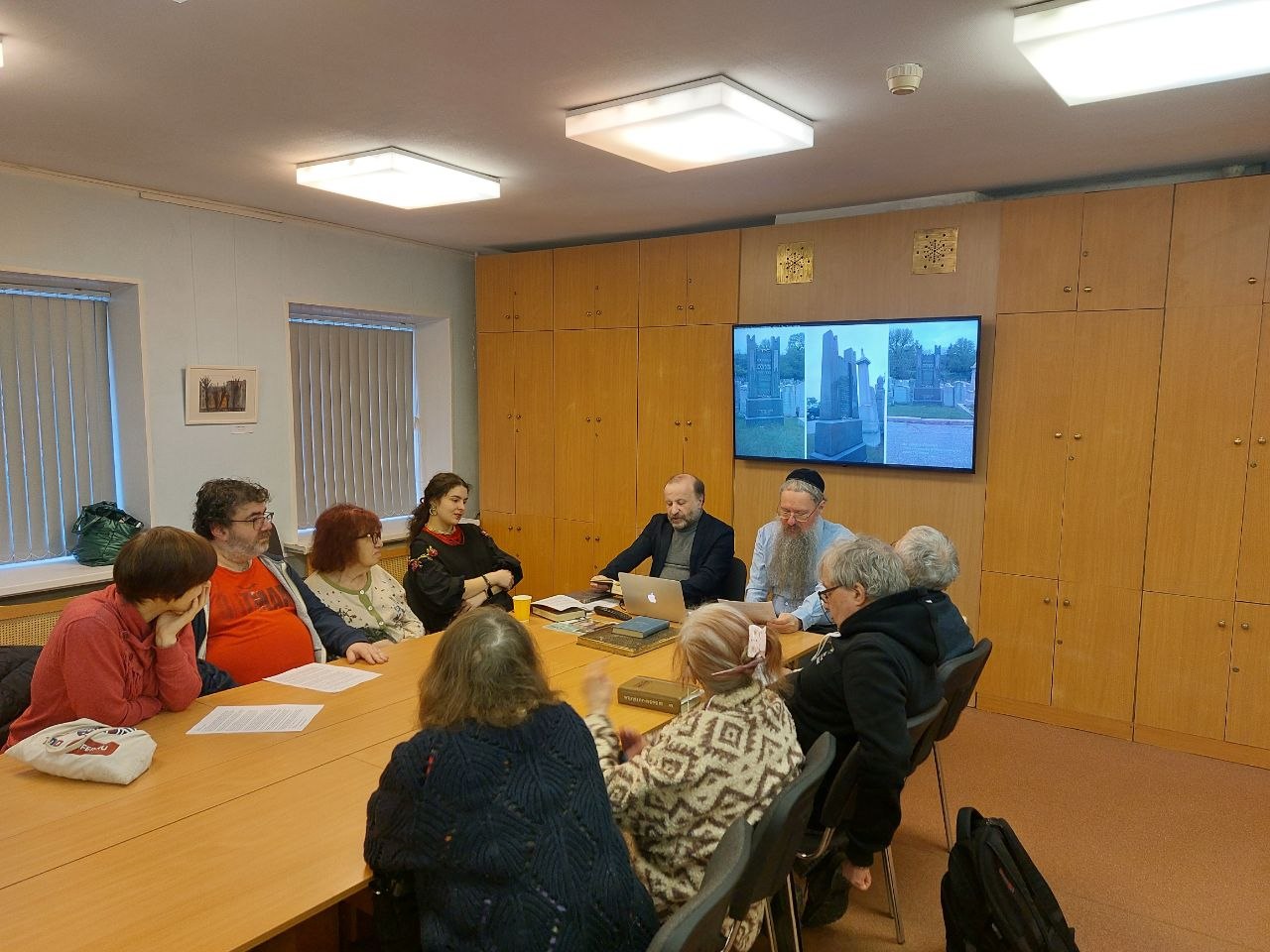
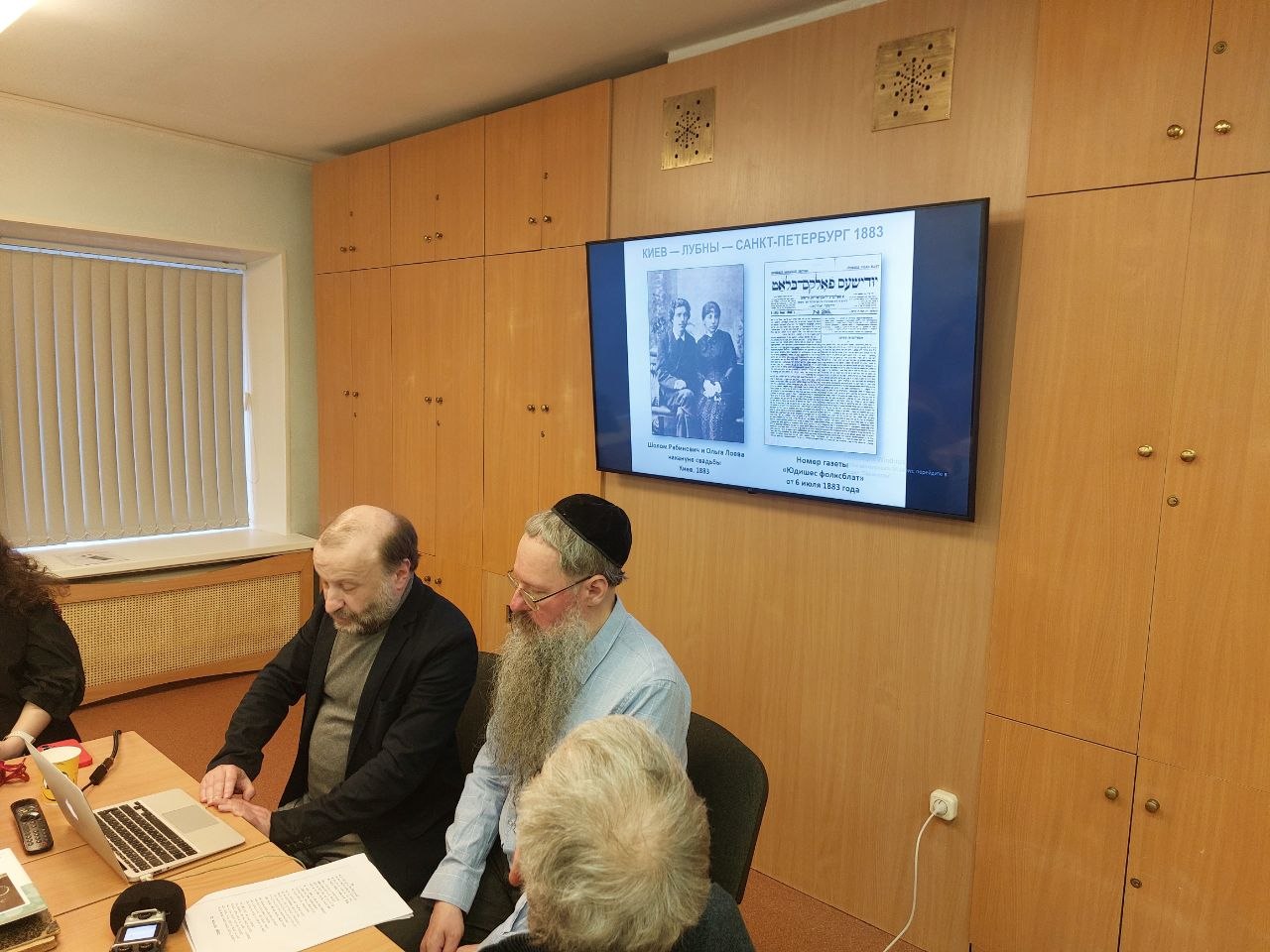
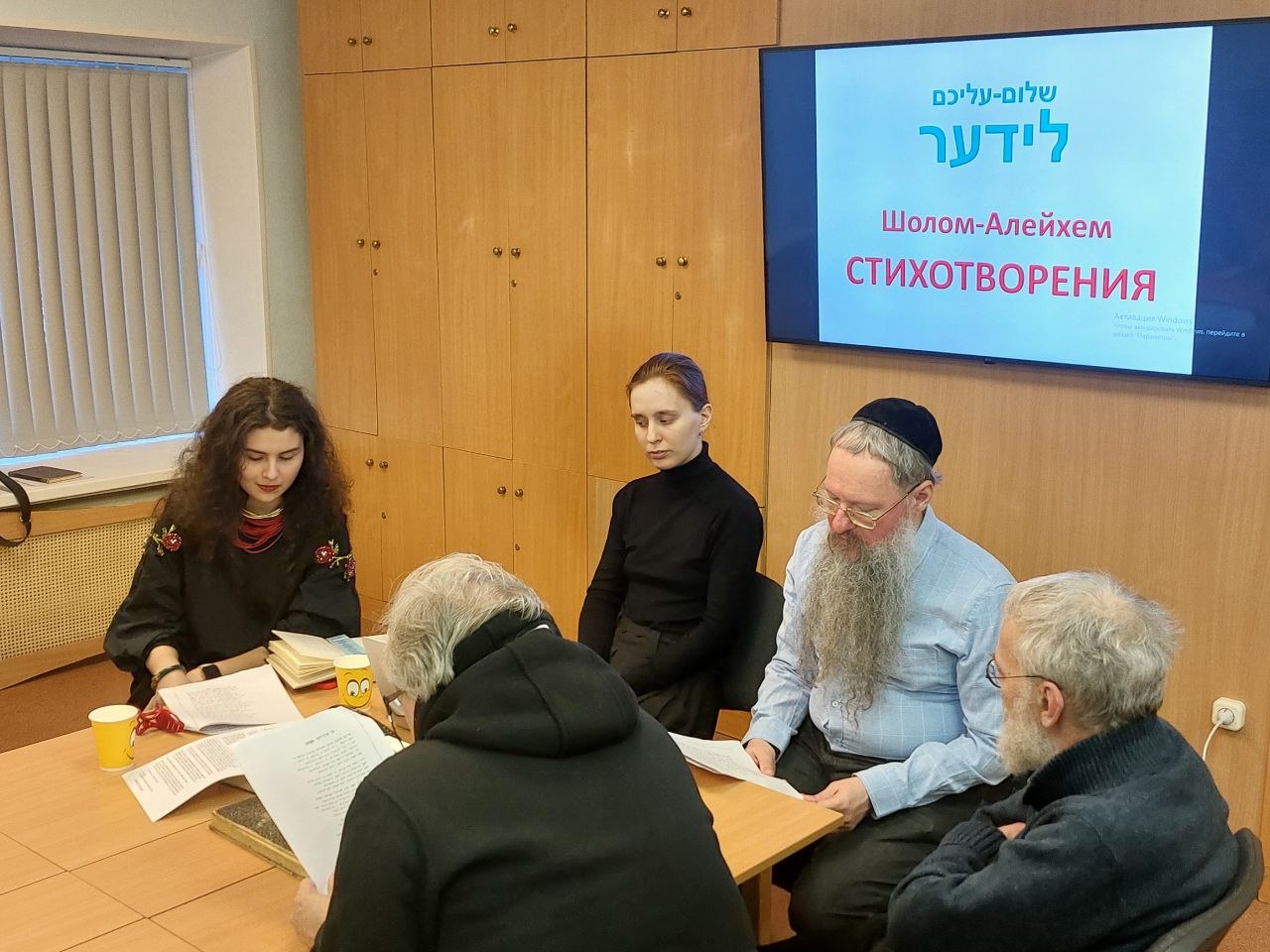
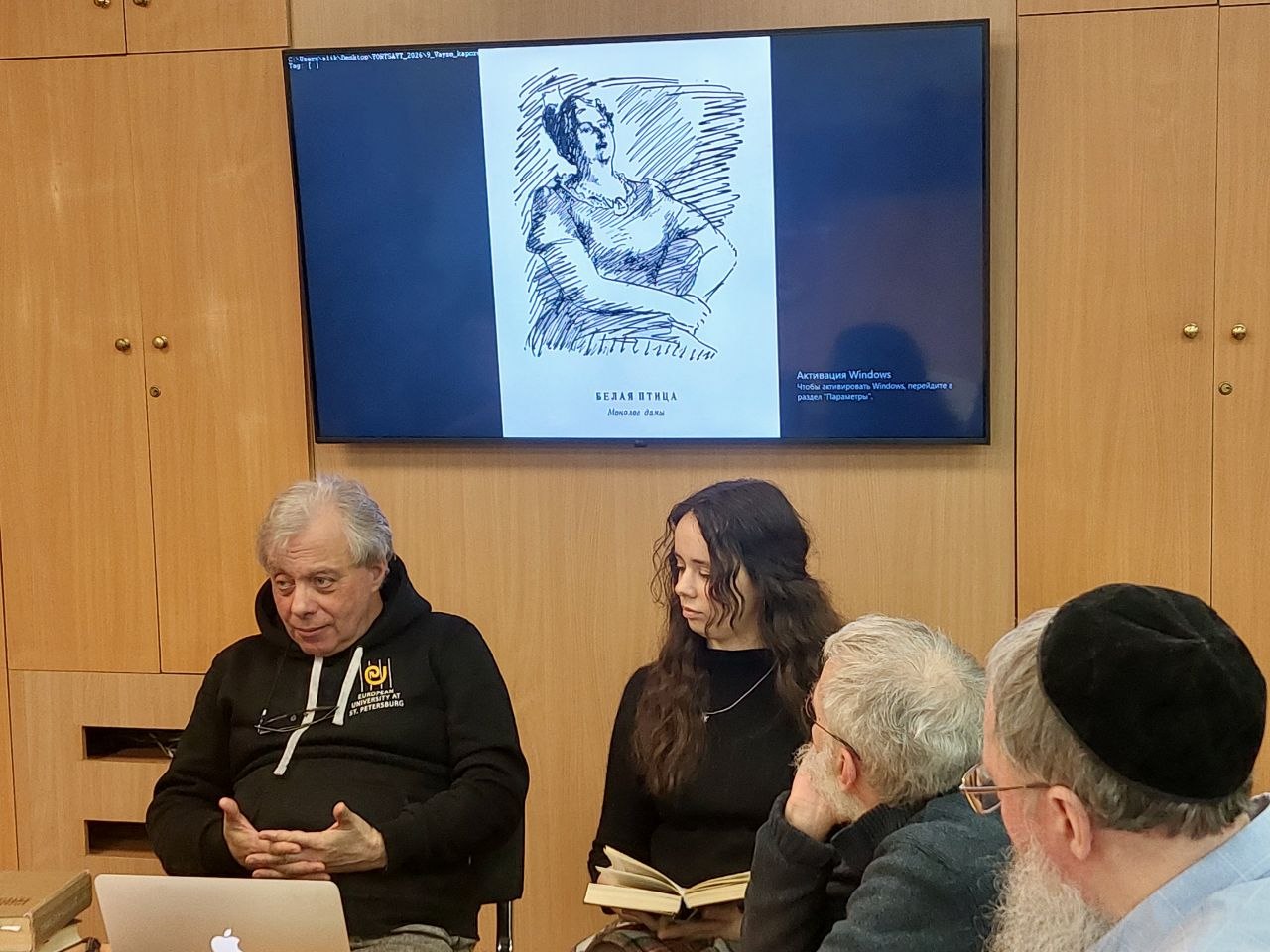
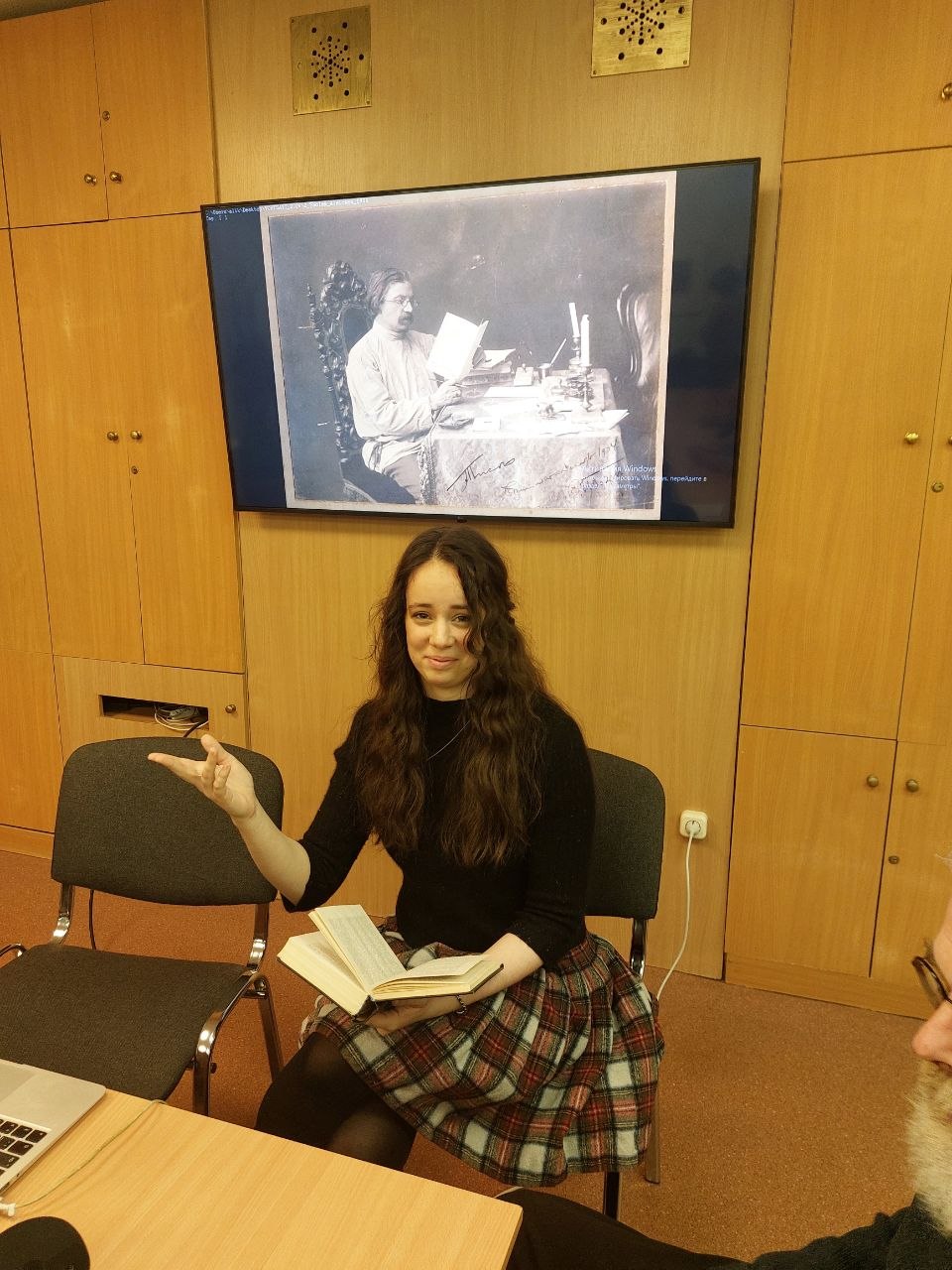
On April 26, 2026, the Jewish Community Center of St. Petersburg held an event dedicated to the 110th death anniversary of the Yiddish classic writer Sholem Aleichem. The program included recitations of Sholem Aleichem’s poetry and prose in the original and in Russian translations, listening to the famous writer’s recorded voice, and talks about his lasting legacy in connection to the city.
From 1912 to 1914, S. An-ski (Shloyme Zaynvl Rapoport) headed Jewish ethnographic expeditions to the Pale of Jewish Settlement. A brief display of the expeditionary collection (about 800 items) opened in the former capital of Russia on April 19, 1914. The sound record played at the anniversary event was Sholem Aleichem’s short speech during his visit to this exhibition soon after its opening, presumably on May 14, 1914.
St. Petersburg is also the place where Sholem Aleichem had started his Yiddish writer’s career in 1883 by publishing his short story Tsvey shteyner (Two Stones) in Aleksander Zederbaum’s weekly Dos yudishes folks-blat. The original issues of the newspaper were presented at the event.
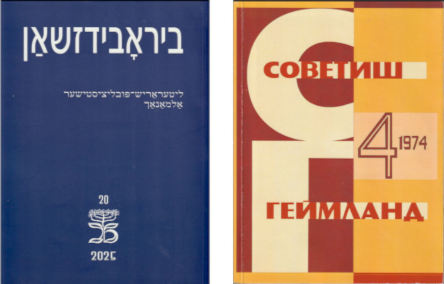
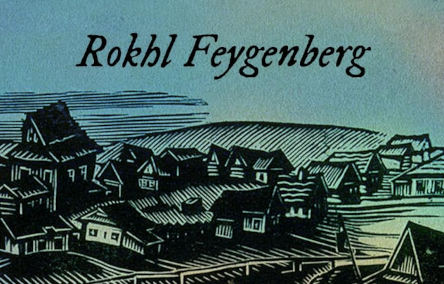
 Rokhl Feygenberg’s Yiddish memoirs of her childhood years in the small Belarusian shtetl Lyuban, were published by Syracuse University Press, translated into English by Tamara T. Helfer.

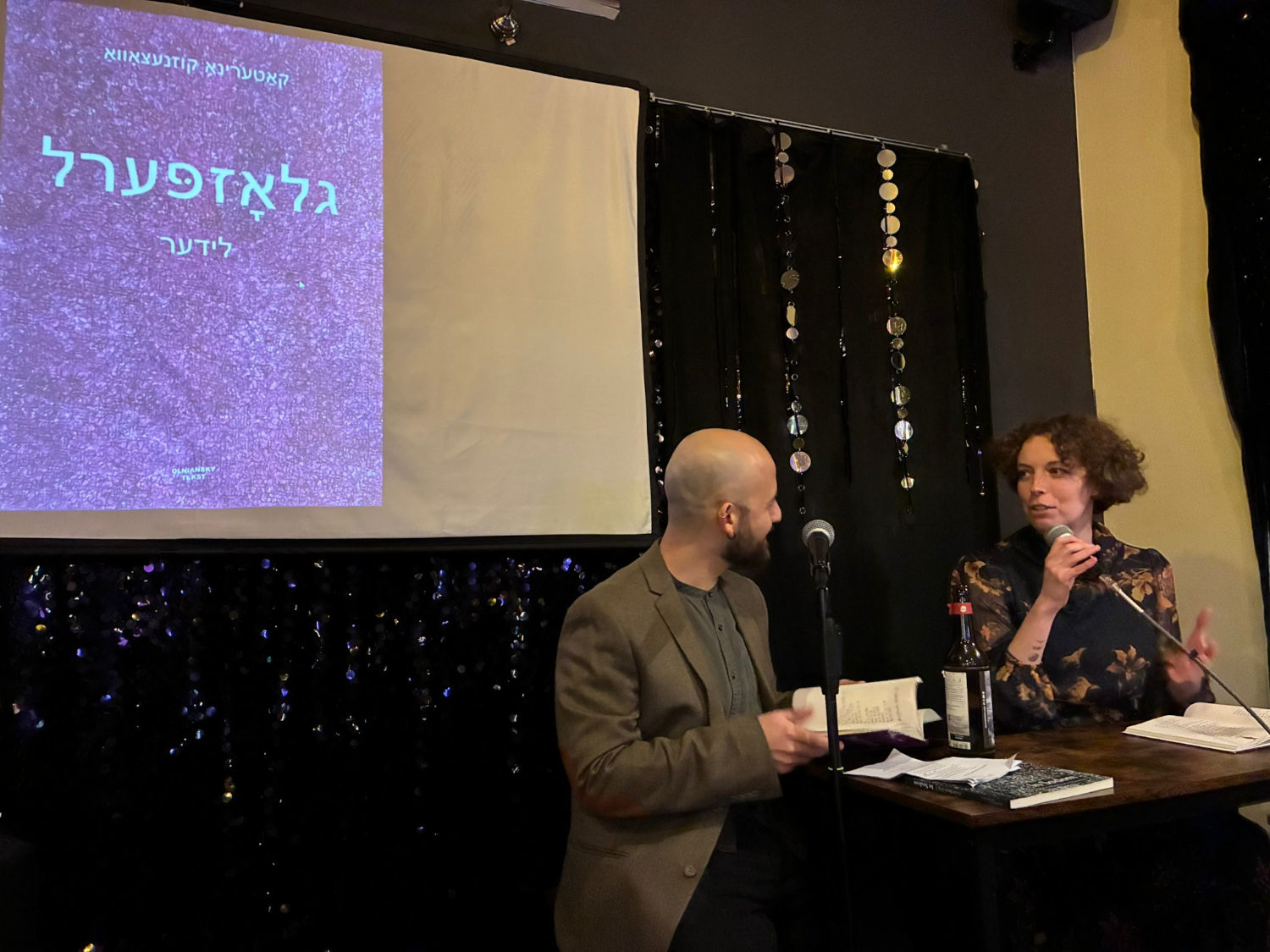
 The poet Katerina Kuznetsova presented her first Yiddish poetry book Glozperl (Glass Beads) on February 24, 2026, in Berlin. The book was published by the Swedish publishing house Olniansky Tekst.