From Evenki into Yiddish
From Evenki into Yiddish
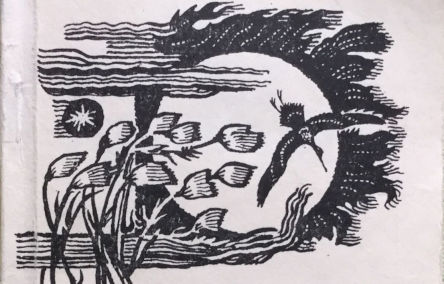
On June 14, 2023, the newspaper Birobidzhaner Shtern published new translations of poems by the national Evenki poet Nikolai Oyogir (1926-1988) into Yiddish and Russian, translated by the writer, journalist and poet Yoel Matveyev. This is the second series of his parallel translations of Oyogir’s works into both languages.
The connection between Yiddish and Evenki may seem unexpected, but in the Birobidzhan context it is quite natural. The Evenks (Tungus) are the oldest indigenous population of the Jewish Autonomous Region of Russia; the very name of the region’s capital, Birobidzhan, is of Evenki origin. A number of local Jewish writers and poets turned to Tungus themes in Yiddish. This shows once again the extraordinary wide geographical and cultural area of Yiddish culture, the diversity of its ties with various countries and peoples.
As another example of the amazing diversity of Yiddish culture, on June 7, 2023, Birobidzhaner Shtern published a chapter from Vladimir Arseniev’s novel “Dersu Uzala” translated into Yiddish by Gershon Fridman (1892-1962). The book was originally written in Russian, but its main character is a Nanai hunter and guide. Nanais are a Far Eastern people related to the Evenks who also speak a Tungusic language.
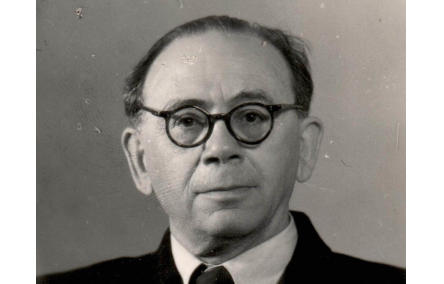
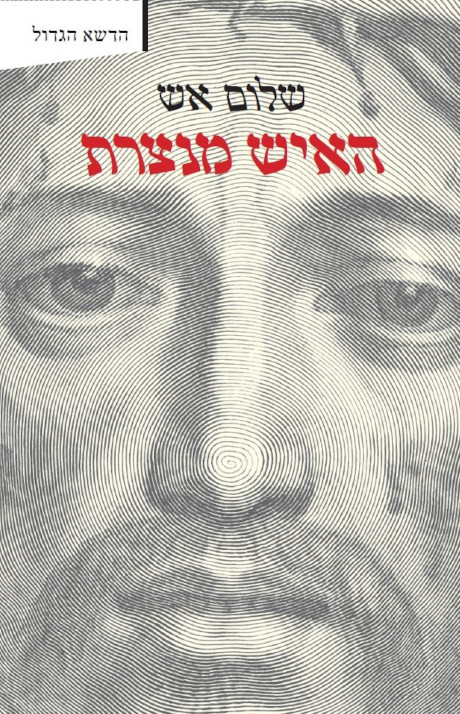 The publishing house Pardes in Haifa published a new Hebrew translation of Sholom Ash’s novel The Man from Nazareth. This book first appeared in its Yiddish original in 1939 and in Hebrew in 1953, translated by David Stav.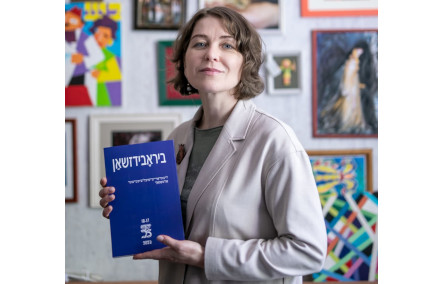
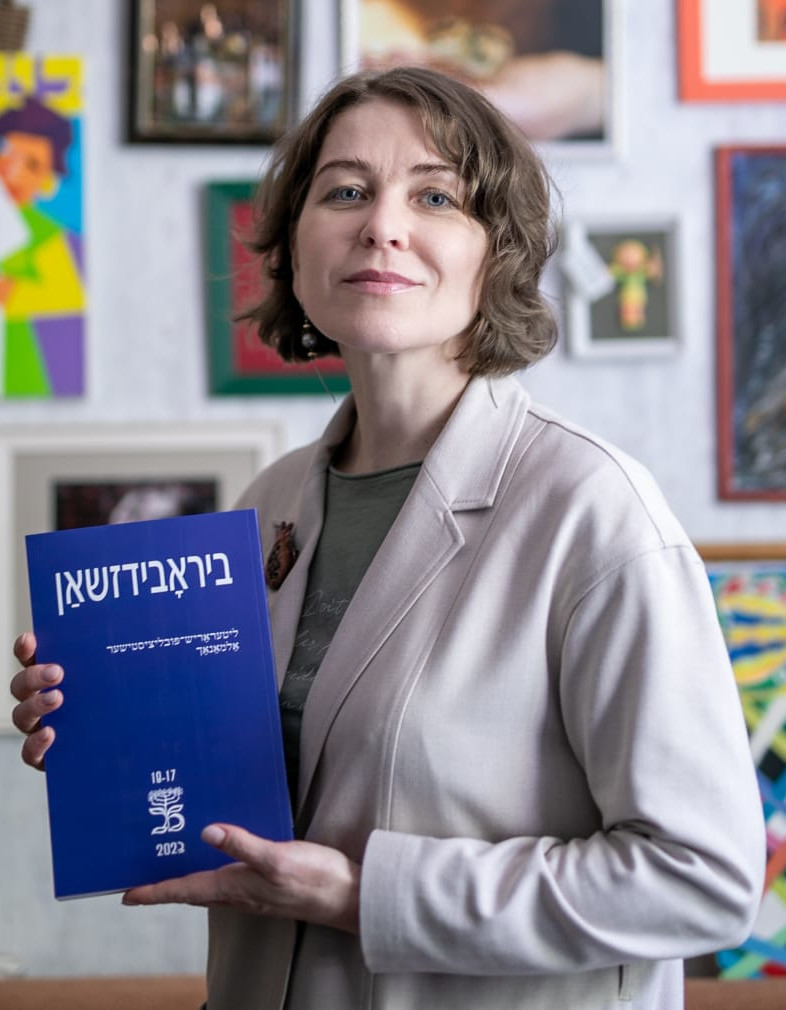 גליון חדש (מס’ 17-18) של האלמנך הדו-לשוני (רוסית ויידיש) “ביראָביג’ן” יצא לאור במחוז האוטונומי היהודי שהמזרח הרחוק של רוסיה. גיליון זה כולל, בין השאר, “אנתולוגיה קצרה לשירת יידיש בת זמננו” בתרגומים לרוסית. האנתולוגיה מייצגת את יצירותיהם של 17 משוררים הכותבים ביידיש מרוסיה, ישראל, ארה”ב, צרפת, בלארוס, פולין ובריטניה וכן מידע ביו-ביבליוגרפי אודותיהם. האלמנך