
New Performance of The Dybbuk at Tel Aviv University

New Performance of The Dybbuk at Tel Aviv University

New Performance of The Dybbuk at Tel Aviv University

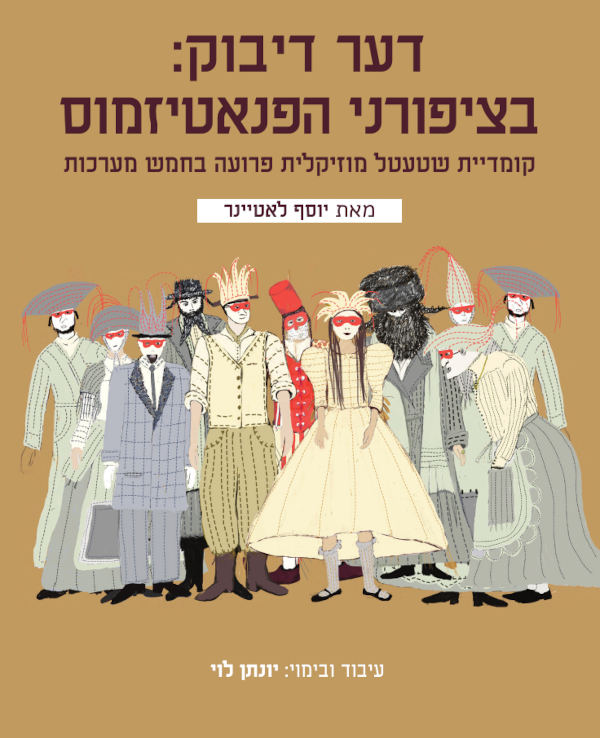
The Tel Aviv University Theatre performed the famous S. An-sky’s play The Dybbuk from January 7 to January 14, 2026. The perfomance, played in Hebrew, has been translated from the original Yiddish by Dr. Ruthie Abeliovich, an associate of our project, Dr. Oren Cohen Roman and Dr. Miriam Trinh.

Shloyme Zanvl Rappoport (1863 – 1920), known by his pen name S. An-sky, was a Jewish author, playwright, researcher of Jewish folklore, polemicist, and cultural and political activist. He is best known for his play The Dybbuk or Between Two Worlds, written in 1914. In 1912-1914, he led the Jewish Ethnographic Expedition, which visited approximately 60–70 shtetls to the Pale of Settlement. The expedition collected thousands of invaluable artifacts and made over 500 recordings of Jewish folk music using a phonograph.

The Dybbuk was first staged in Warsaw by Joseph Lateiner (1853–1935) on 1920, one month after An-sky’s death. Since then it has been translated into over a dozen languages and performed thousands of times all over the world. It remains a Hasidic Gothic Yiddish story turned also into a film by Michał Waszyński in 1937.
A Poetic Dialogue of Translators

A Poetic Dialogue of Translators

A Poetic Dialogue of Translators

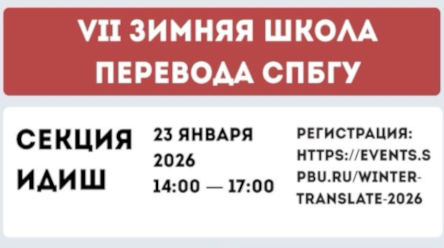
As last year, the Yiddish section of the 7th International Winter School of Translation at St. Petersburg State University was held by Yoel Matveyev, Lyubov Lavrova, and Olga Matvienko. This time, the lecturers engaged in a poetic dialogue about two Jewish poets who lived in Birobidzhan.

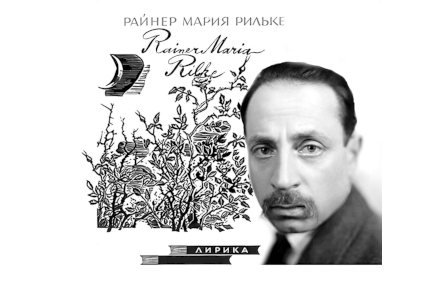
Matveyev spoke about his work on his Yiddish translations of Rilke. Lavrova talked about her participation in the Yiddish authors’ database on the website of the Congress of Jewish Culture (CJC), an international Yiddish organization founded in 1948. The database is available in both Yiddish and English. Olga Matvienko spoke about her recent translations of poems about Birobidzhan and the Jewish Autonomous Region, which she translated into Russian.

Works by Henekh Koyfman and Aaron Kushnirov that she liked were previously translated by Yoel Matveyev. Both versions have now been published by the newspaper Birobidzhaner Shtern.

Yiddish: A Global Culture, New Book by David Mazower

Yiddish: A Global Culture, New Book by David Mazower

Yiddish: A Global Culture, New Book by David Mazower

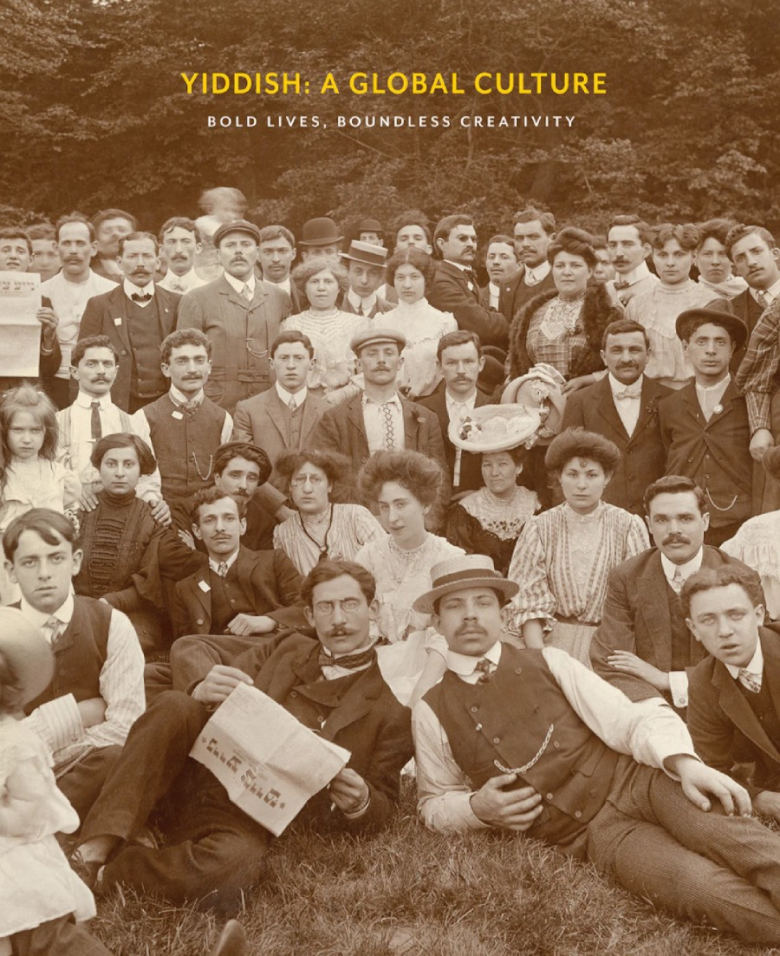
The new book “Yiddish: A Global Culture”, a full-color catalog by David Mazower, showcases the groundbreaking permanent exhibition at the Yiddish Book Center in Amherst, which “places Yiddish at the heart of intellectual and creative life in Europe and both Americas”.
The exhibition, inaugurated in 2023, features thousands of rare objects and encompasses a broad range of historical and cultural themes focusing on the late 19th and early 20th centuries, when millions of Yiddish-speaking Jews emigrated from Europe to the US and other countries around the globe. It also presents a rich variety of extraordinary personal stories from passionate radicals to avant-garde artists and famous authors. Mazower, the chief curator of the exhibit, offers a comprehensive systematic guide to this vast collection of museum items.
The exhibition and the new book also emphasize the fact – highlighted by our project as well – that Yiddish remains a flourishing living language, which continues to inspire music, literature, theater, art and cultural events worldwide.

Rilke and Mandelstam in Yiddish

Rilke and Mandelstam in Yiddish

Rilke and Mandelstam in Yiddish

The Jewish Community Center of St. Petersburg held a literary event led by Yoel Matveyev, our website’s editor-in-chief, who presented a selection of Rainer Maria Rilke’s and Osip Mandelstam’s poems translated into Yiddish. Soon after the event, Matveyev’s translations were published in the newspaper Birobidzhaner Shtern.

Mandelstam’s poetry had been translated into Yiddish by several poets, including Aron Vergelis, the editor-in-chief of the Soviet literature and art magazine Sovetish Heymland. To the best of our knowledge, Matveyev was the first to translate Rilke into Yiddish. Despite the apparent similarity, Yiddish is quite different from German on every level. As the translator explains in his Birobidzhaner Shtern essay, he had to rewrite every one of Rilke’s lines from scratch, and not just to “touch up” the German language, as some people would mistakenly think.

Regarding Sovetish Heymland and its legacy, we are happy to inform our readers that we already have digitized most of its issues from 1961 to 1991 and published all of the them on our website. Soon we hope to present all issues of this highly influential historical magazine, which often contained poetry translations from Russian and other languages into Yiddish.

Marc Chagall: The Joy of Earth’s Gravity

Marc Chagall: The Joy of Earth’s Gravity

Marc Chagall: The Joy of Earth’s Gravity

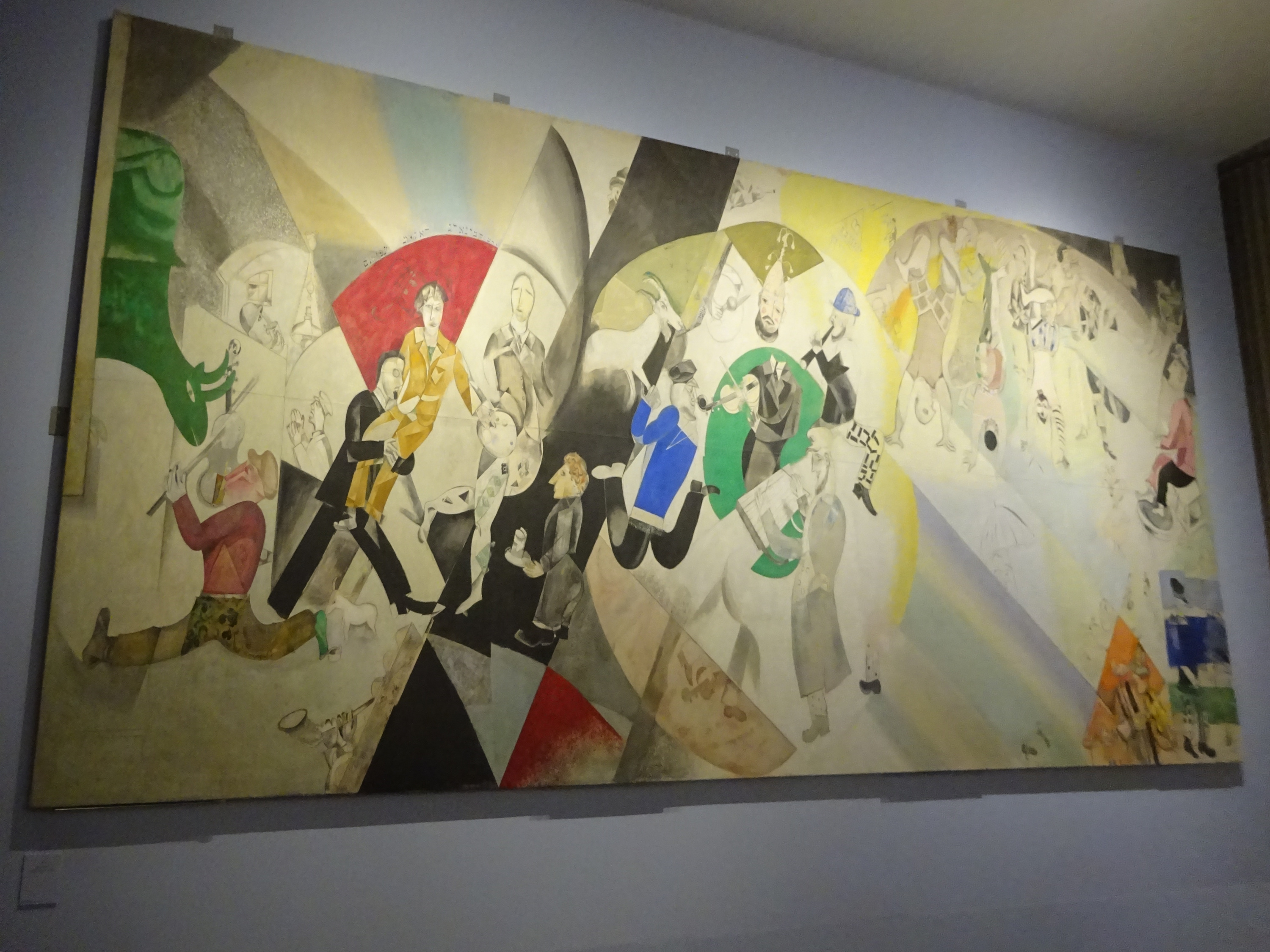
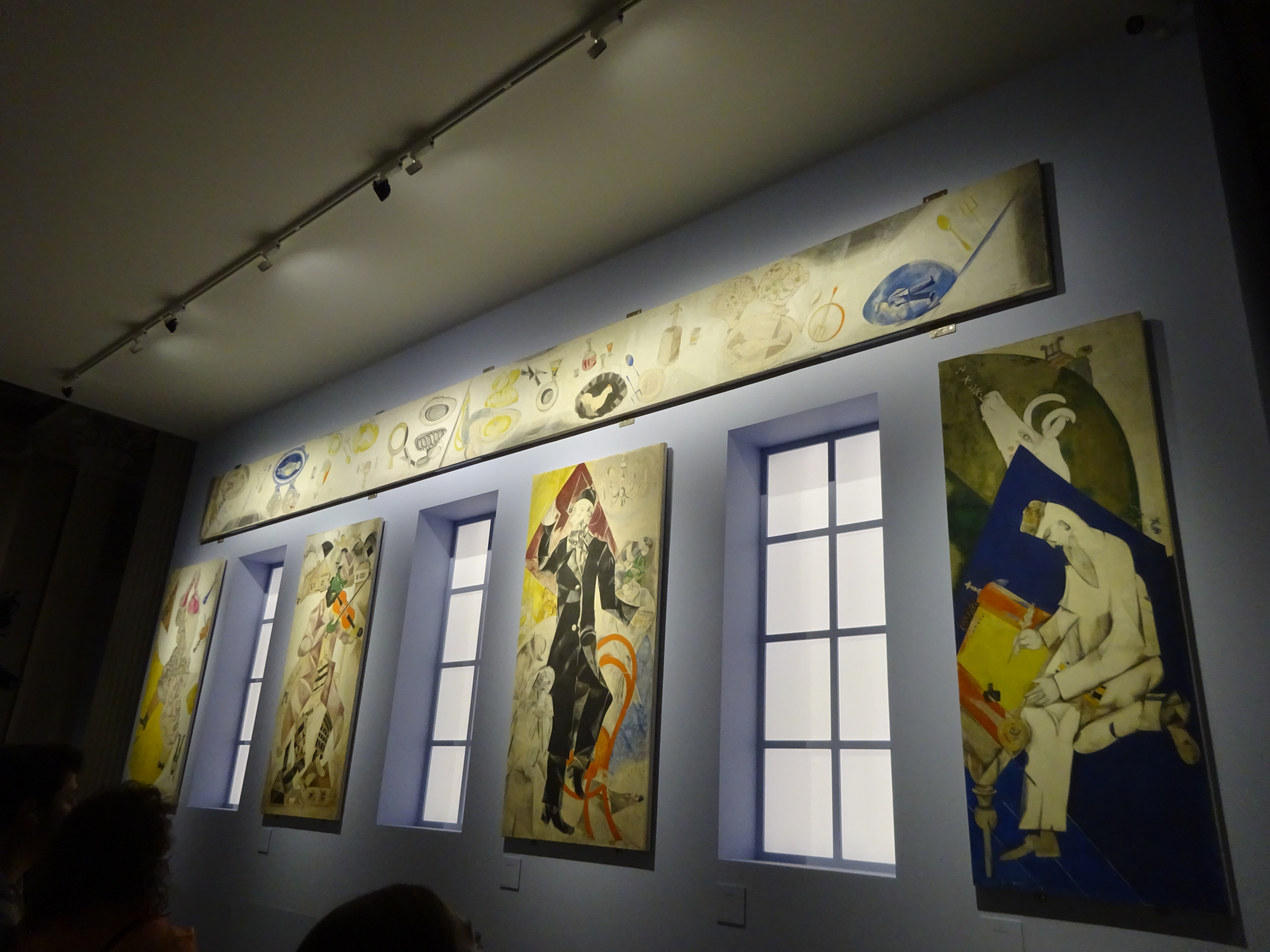
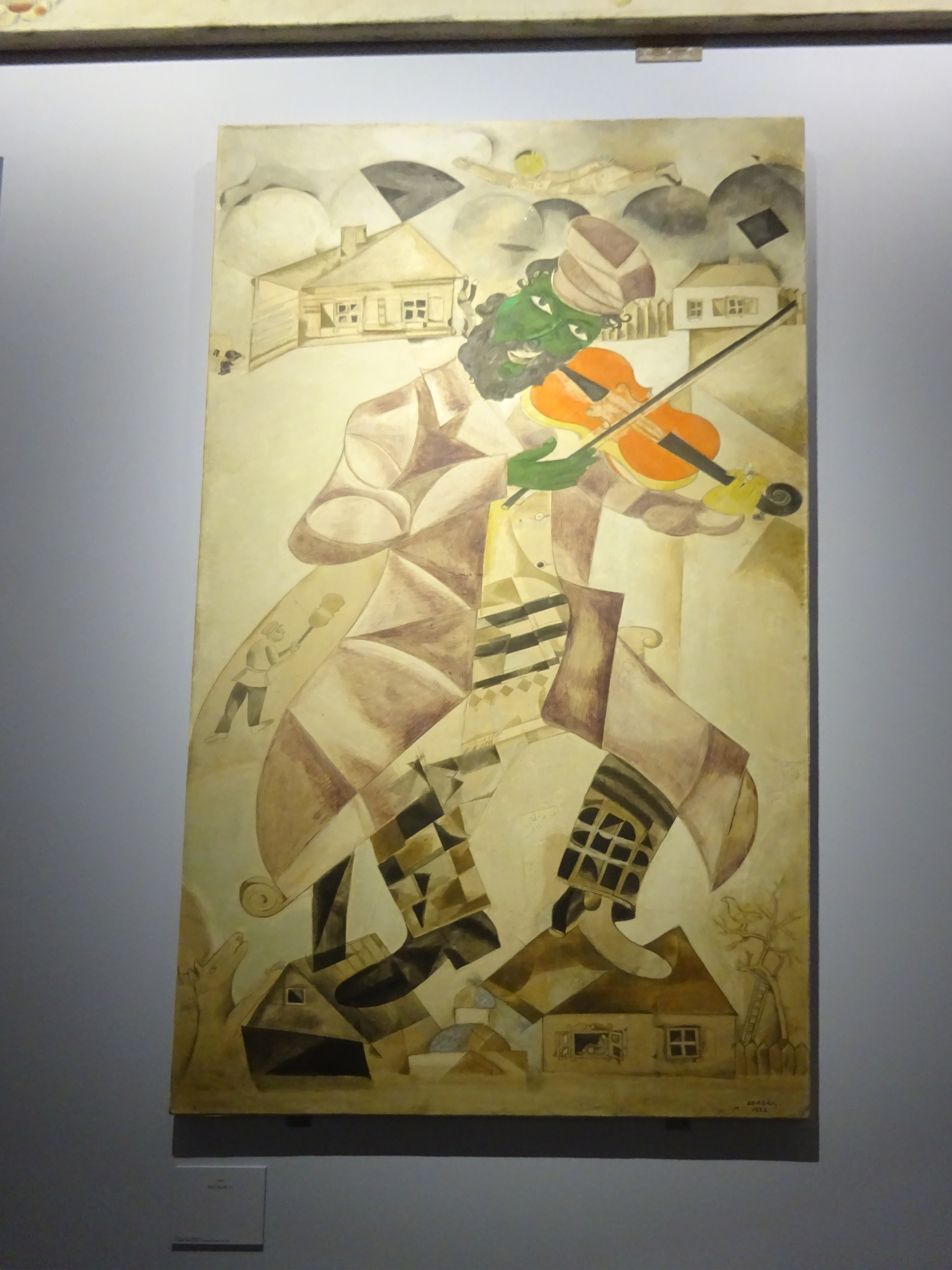
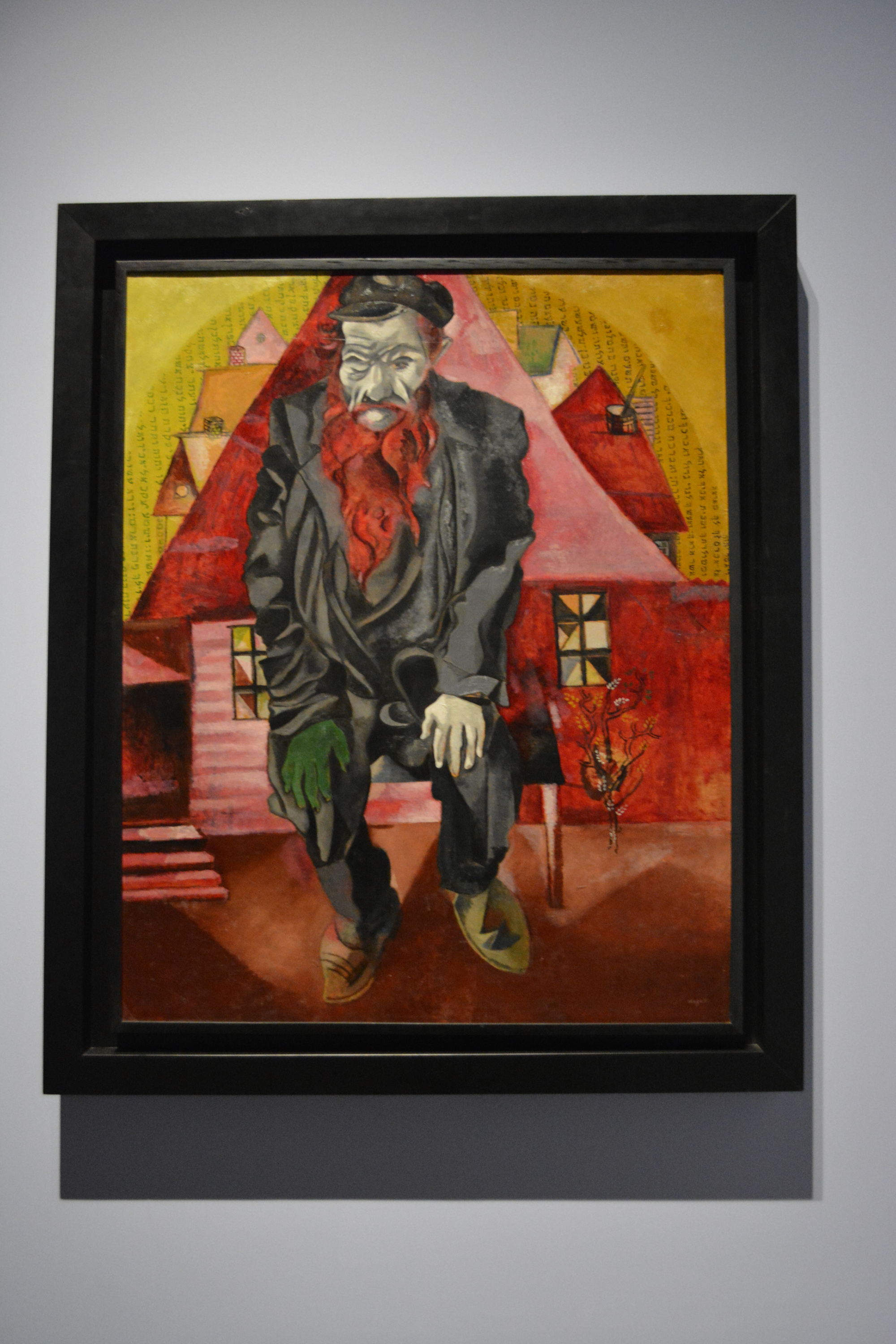
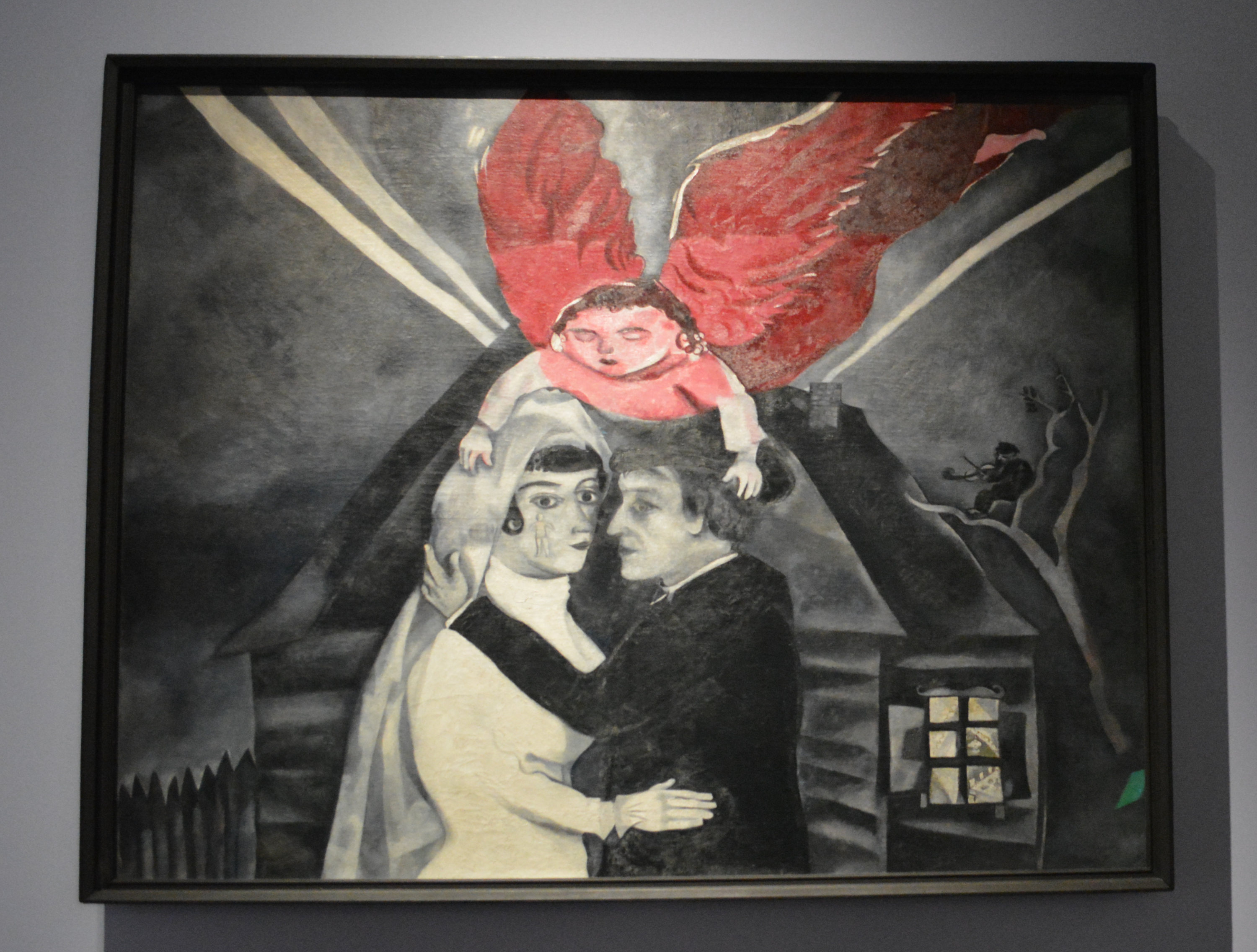
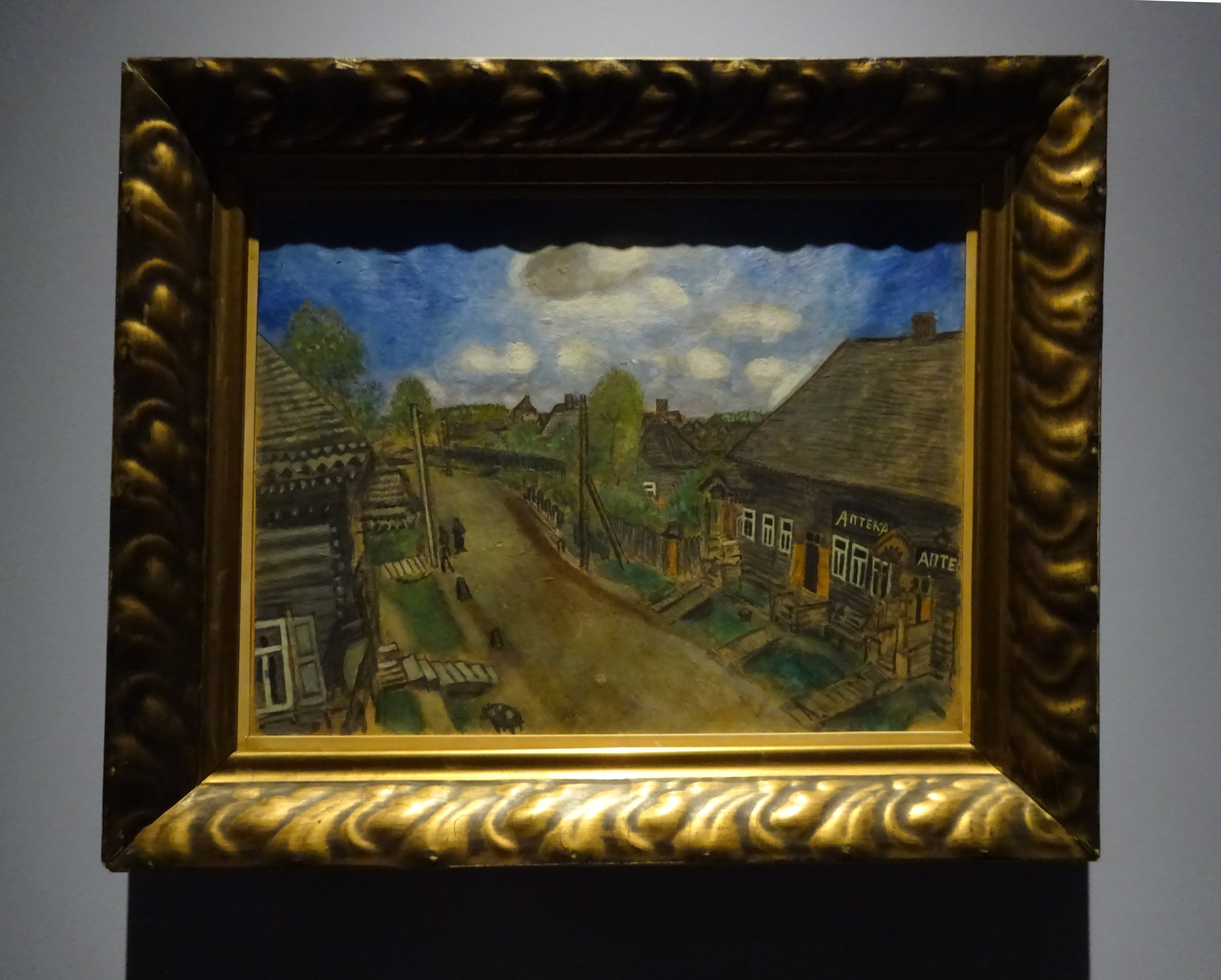
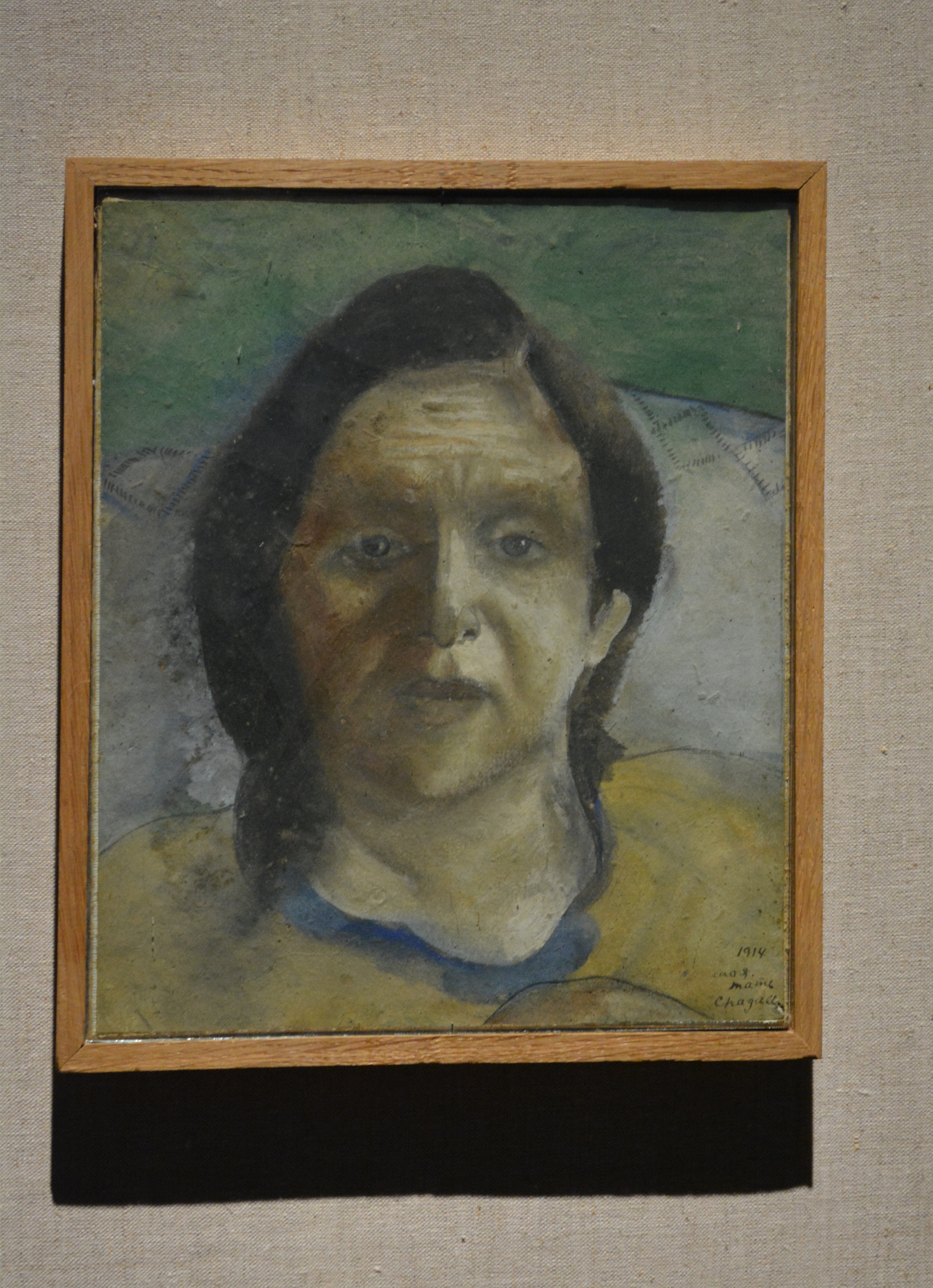
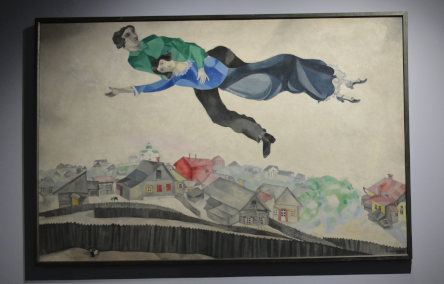
The new exhibit Marc Chagall: The Joy of Earth’s Gravity at the Moscow’s Pushkin Museum of Fine Arts features numerous items related to or written in Yiddish. World famous as a painter, Chagall also wrote poetry and articles on literature and art in his mother tongue, Yiddish. He was a close friend of many Yiddish authors whose books he illustrated.

The exhibit, which will remain open till March 15, 2026, is accompanied with quotes from Chagall’s autobiography My Life, and dedicated to the artist’s work in Russia from the late 1900s to 1922. Some of the items from private collections are presented to the public for the first time.

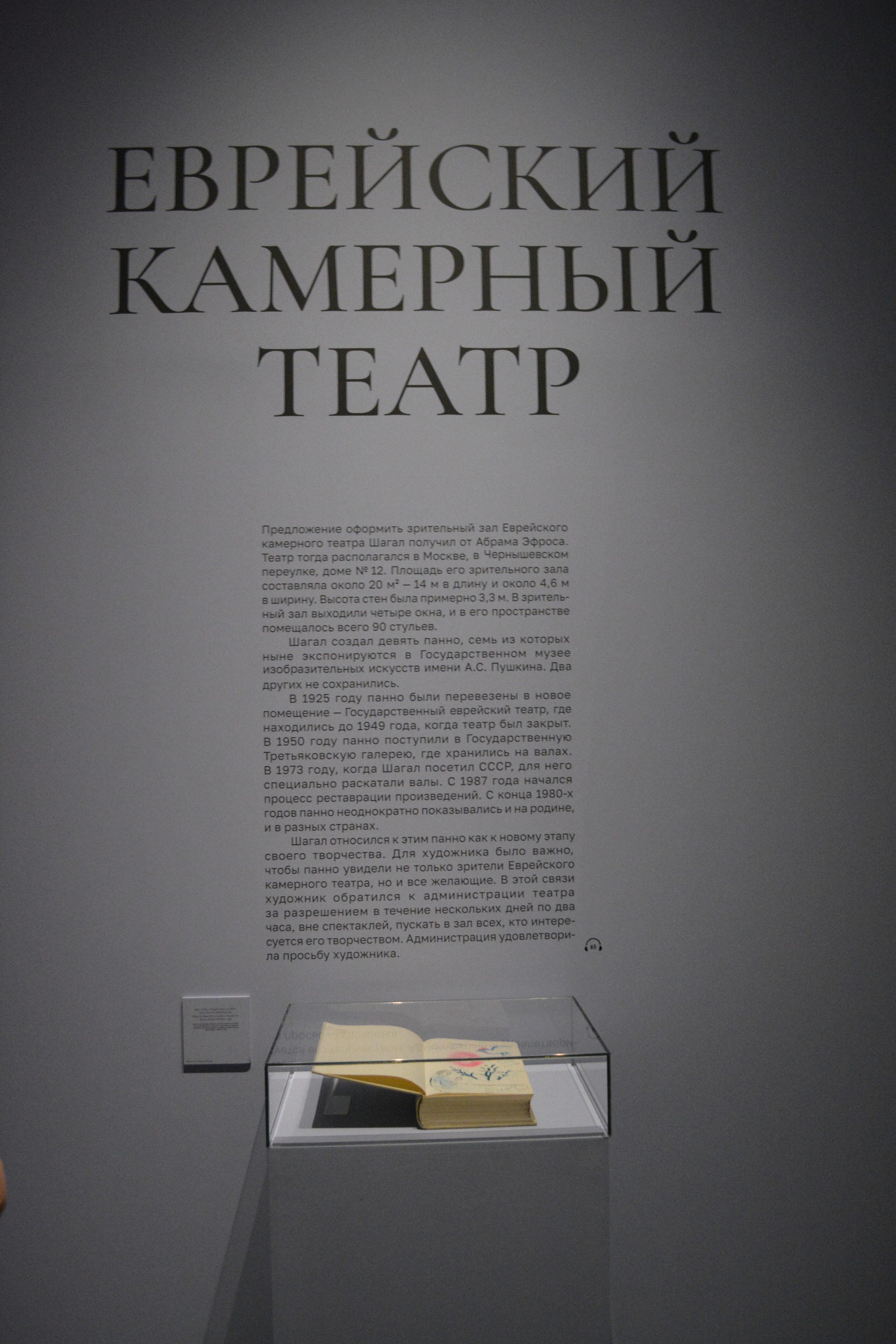
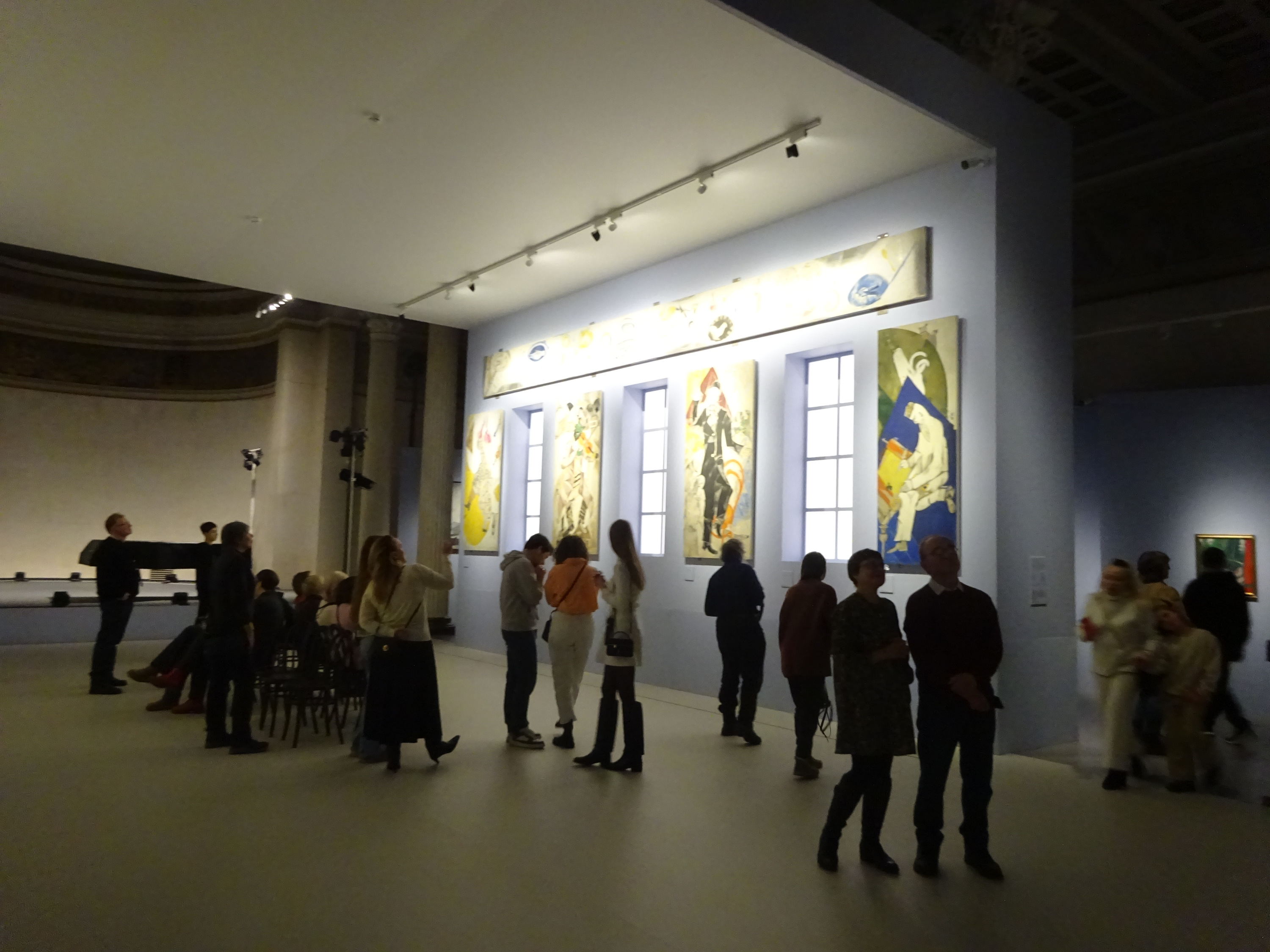
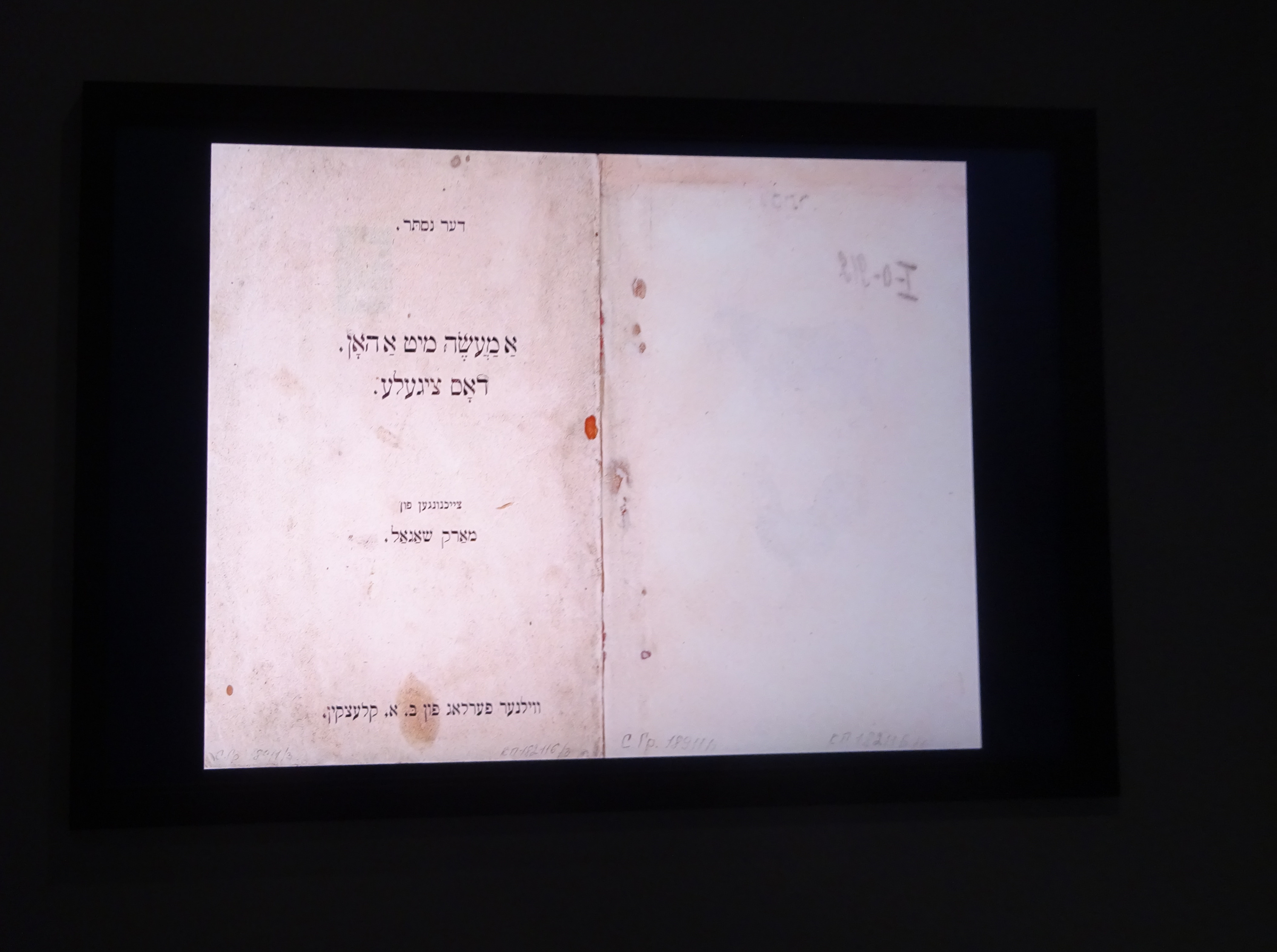
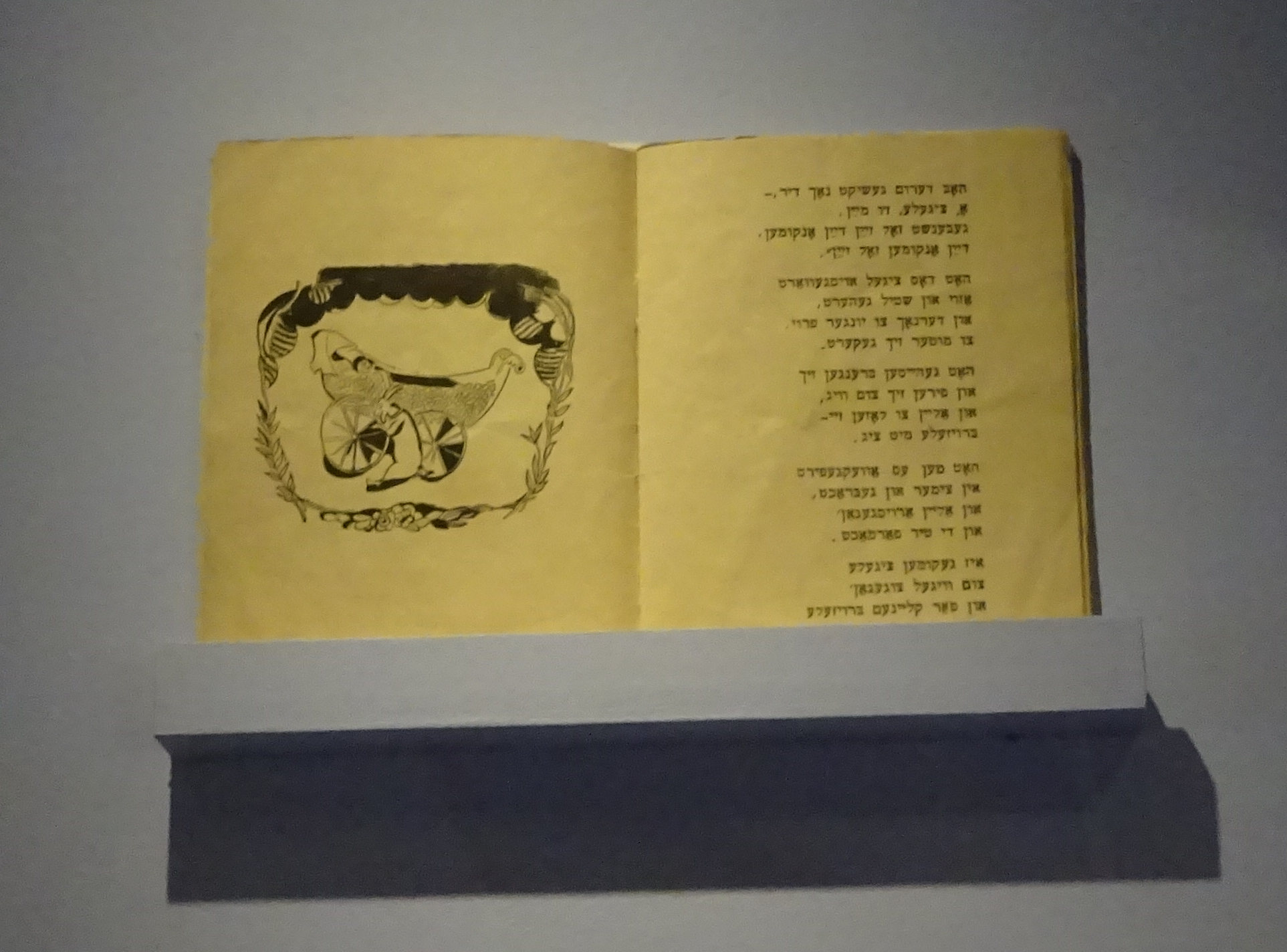
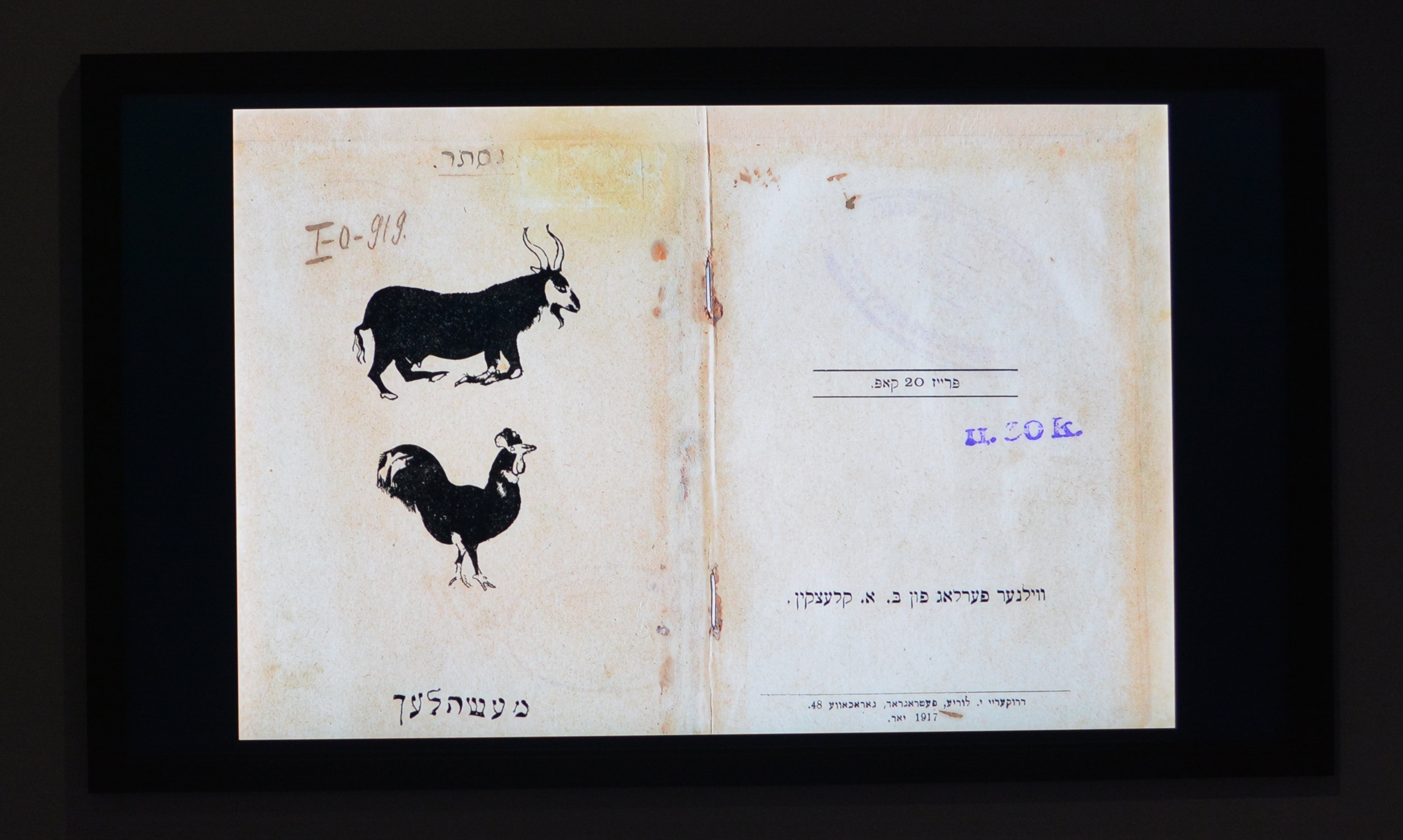
The most prominent feature of the new exhibition is a huge composition of seven enormous murals painted by Chagall for the Jewish Chamber Theater in 1920. Another, more humble and yet very important item is a rare 1917 edition of Der Nister’s fairytales with Chagall’s illustrations. An electronic installation next to it shows magnified pages of this book.

Photo credit: Y. and D. Matveyev

Contemporary Yiddish Poetry with Russian Translations

Contemporary Yiddish Poetry with Russian Translations

Contemporary Yiddish Poetry with Russian Translations

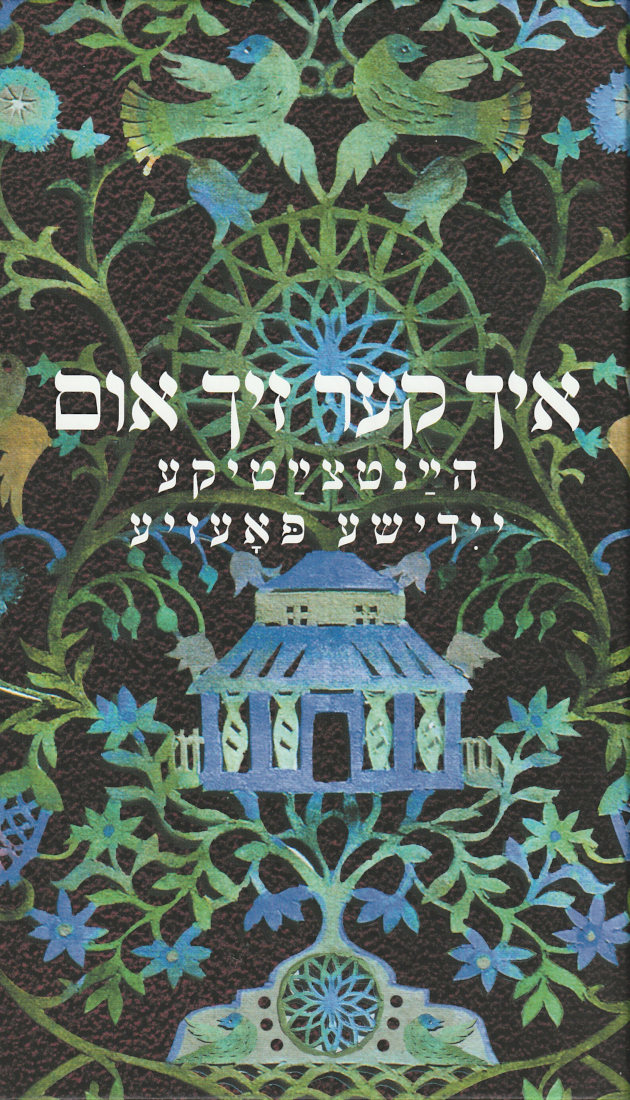
The Jewish publishing house Knizhniki in Moscow published a bilingual volume of original contemporary Yiddish poetry with Russian translations titled I Return (“איך קער זיך אום”.“Я возвращаюсь”). Realized under the auspices of the private publisher Boris Zaitschick, the book has been composed and edited by Yoel Matveyev, the editor-in-chief of our website.
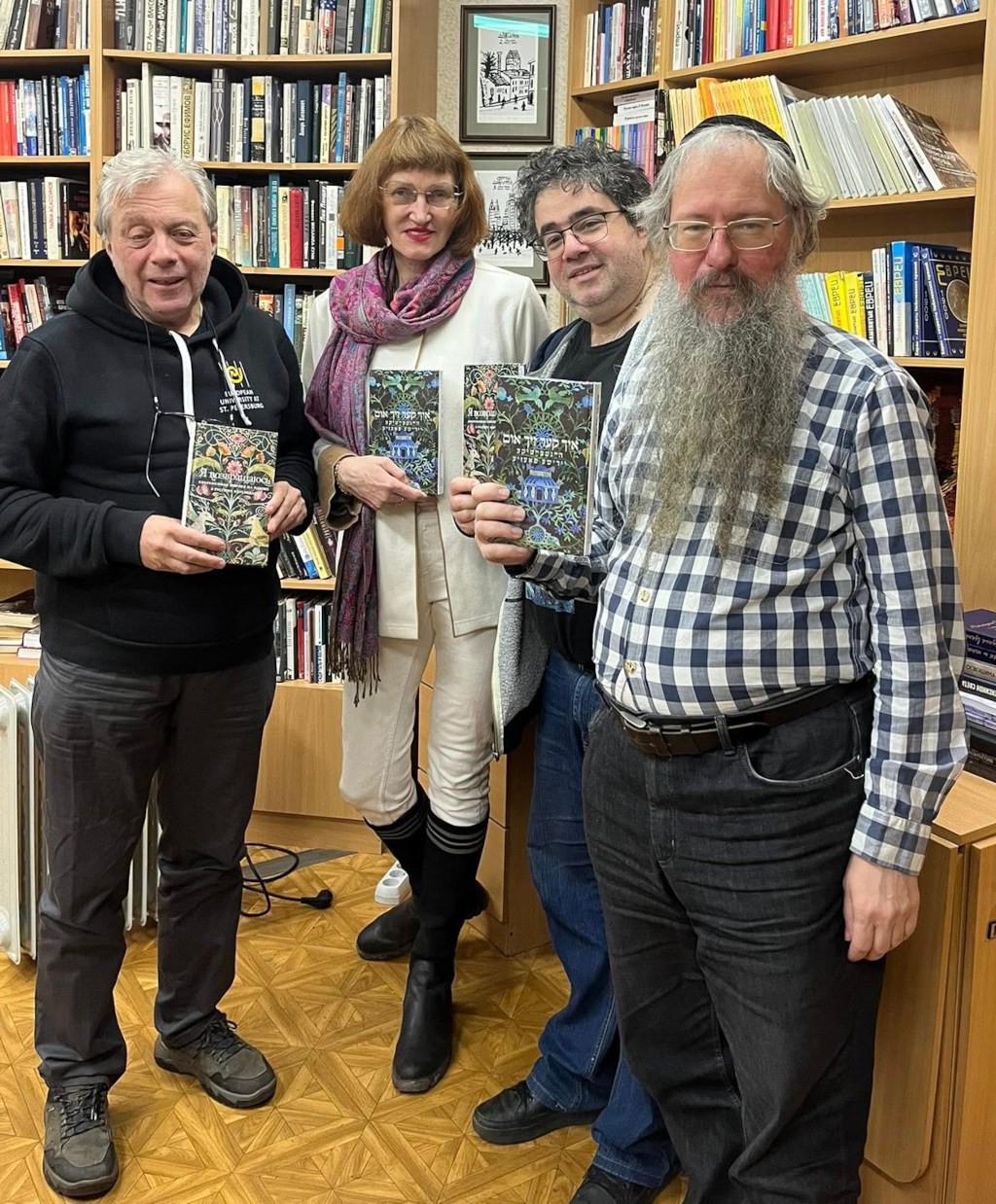
A short anthology of contemporary Yiddish poetry with Russian translations (42 poems by 17 authors) had already been included in the 2023 issue of the almanac Birobidzhan, but the new poetry book from Moscow is a major new milestone dedicated to the same subject.

As explained in the preface and in the co-editor’s Dr. Valery Dymshitz’s introduction, the book focuses on generational, gender and stylistic diversity of today’s Yiddish poetry. By any means it’s not meant to be an exhaustive anthology. It contains 120 poems by 12 poets who live in 7 countries: Lev Berinsky, Felix Chaimovich, Mikhoel Felsenbaum, Velvl Chernin, Gitl Schaechter-Viswanath, Yisroel Nekrasov, Beruriah Wiegand, Sholem Berger, Yoel Matveyev, Marek Tuszewicki, Katerina Kuznetsova and David Omar Cohen.