Moisey Beregovsky: Essays On The History Of Yiddish Folk Music

Moisey Beregovsky: Essays On The History Of Yiddish Folk Music

Moisey Beregovsky:

Essays on the History of Yiddish Folk Music

Moisey Beregovsky: Essays on the History of Yiddish Folk Music, composed by Evgenia Khazdan, translated and studied by Evgenia Khazdan, Yoel Matveyev, Elena Sarashevskaya, Galina Kopytova. Muzyka Publishers, Moscow, 2025

© Copyright of the authors, publishers and the Heritage Projects Foundation

YIVO Celebrates Its 100th Anniversary

YIVO Celebrates Its 100th Anniversary

YIVO Celebrates Its 100th Anniversary

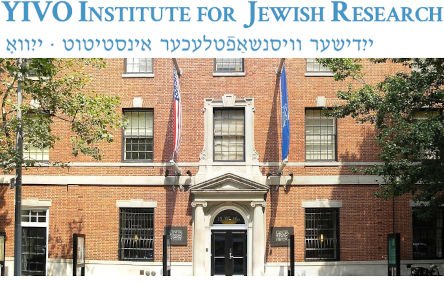
On March 24, 2025, YIVO marked its 100th anniversary. On this day in 1925, the Institute for Jewish Research (Yidisher visnshaftlekher institut, known by its abbreviation as YIVO) was established in Vilna (then Poland, now Vilnius, Lithuania). It quickly became one of the most preeminent authorities on Yiddish scholarship and culture in all its aspects. The Institute also played a crucial role in establishing the literary standard of the Yiddish language.

Max Weinreich

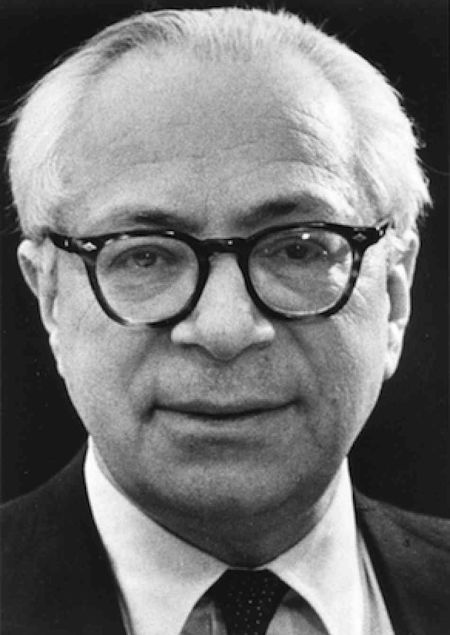
Based now in New York, YIVO is hosting a series of public programs celebrating the centenary, covering various academic topics, klezmer music, its own rich history, and more. To contribute to this commemoration, the Forverts published the audio recording of Max Weinreich’s speech at the YIVO 40th Anniversary Lunch (March 24, 1965). Dr. Max Weinreich (1894 – 1969) was a prominent linguist, specializing in sociolinguistics and Yiddish, the language in which he wrote most of his prolific academic works, including the monumental 4-volume History of the Yiddish Language.


Seminar on Upcoming Beregovsky Book

Seminar on Upcoming Beregovsky Book

Seminar on Upcoming Beregovsky Book

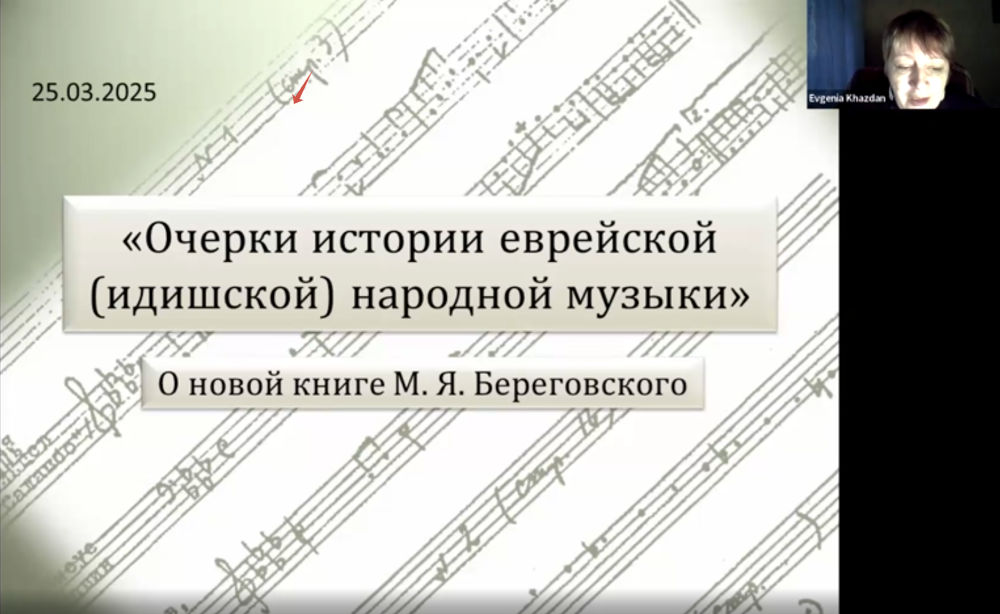
The upcoming new bilingual Russian-Yiddish academic book Moisey Beregovsky: Essays on the History of Yiddish Folk Music, has been presented on March 25th, 2025, during the interdisciplinary seminar Music in Culture organized by the Russian State Institute of Art Studies. It is scheduled to be printed in mid-April.

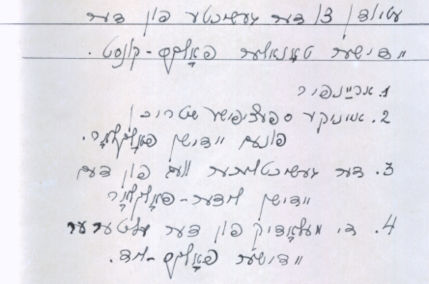
The book is based on a previously unknown Beregovsky’s manuscript, included and edited according to modern literary Yiddish, translated and commented, and supplied with detailed musicological and historical analysis.

The discoverer of the manuscript, initiator and organizer of this book’s publishing is Dr. Mark Zilberquit, the director of the Muzyka Publishing House and the founder of our website, which already contains a rich repository of unique materials related to Beregovsky, including Evgenia Khazdan’s Biobibliographic Index.

Follow our news for further details and updates on the book!

Yiddish Love Poetry Evening in Berlin

Yiddish Love Poetry Evening in Berlin

Yiddish Love Poetry Evening in Berlin

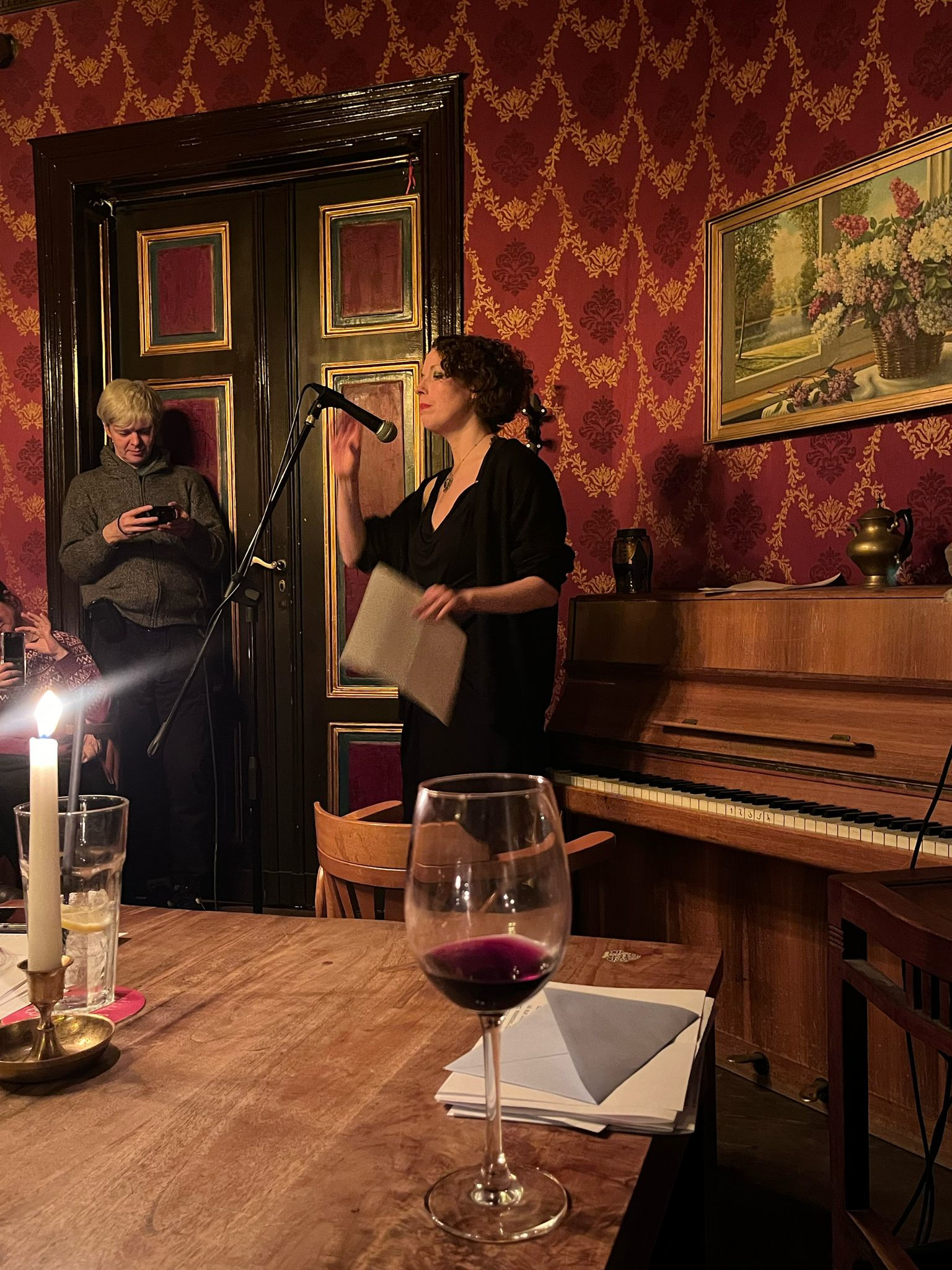
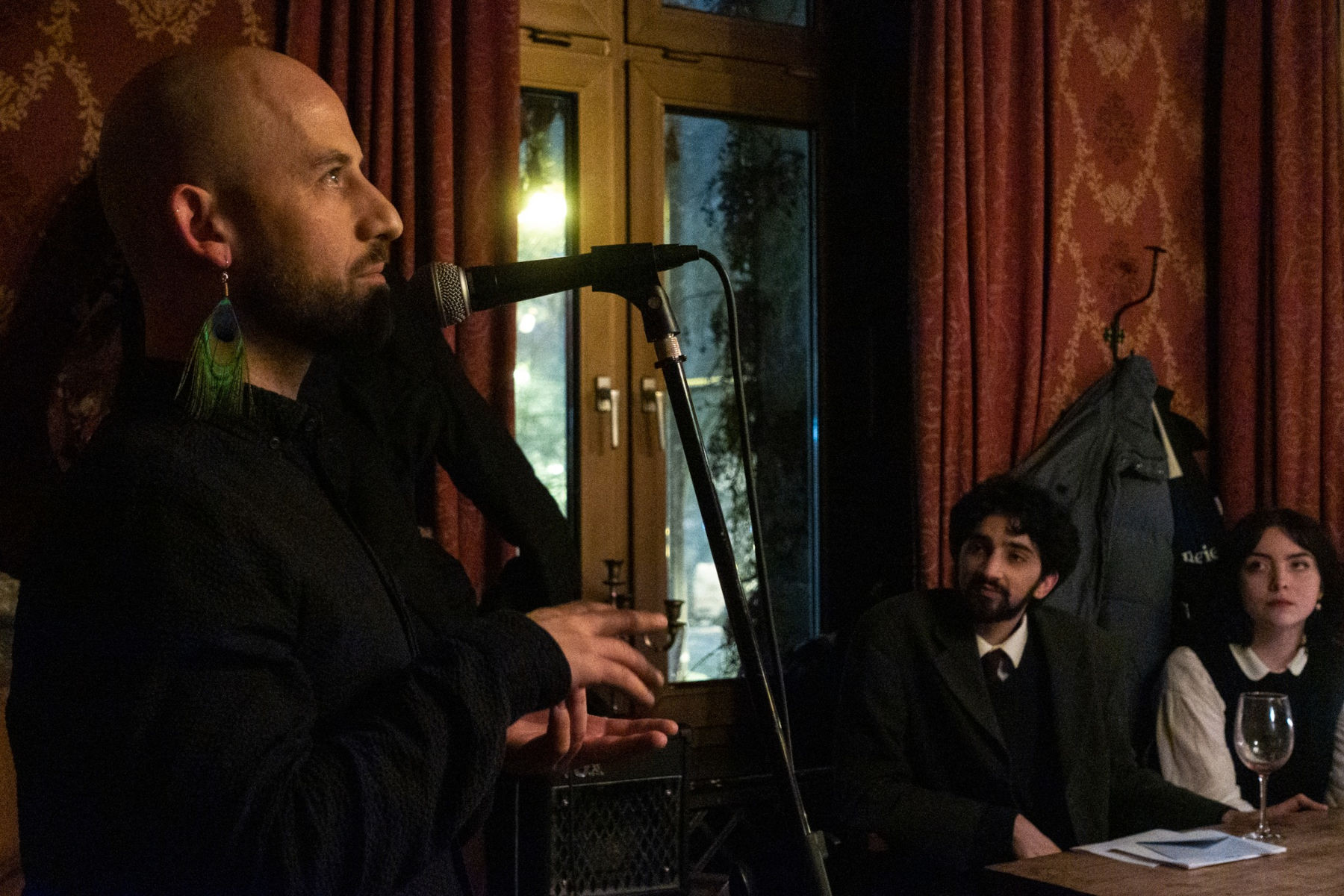
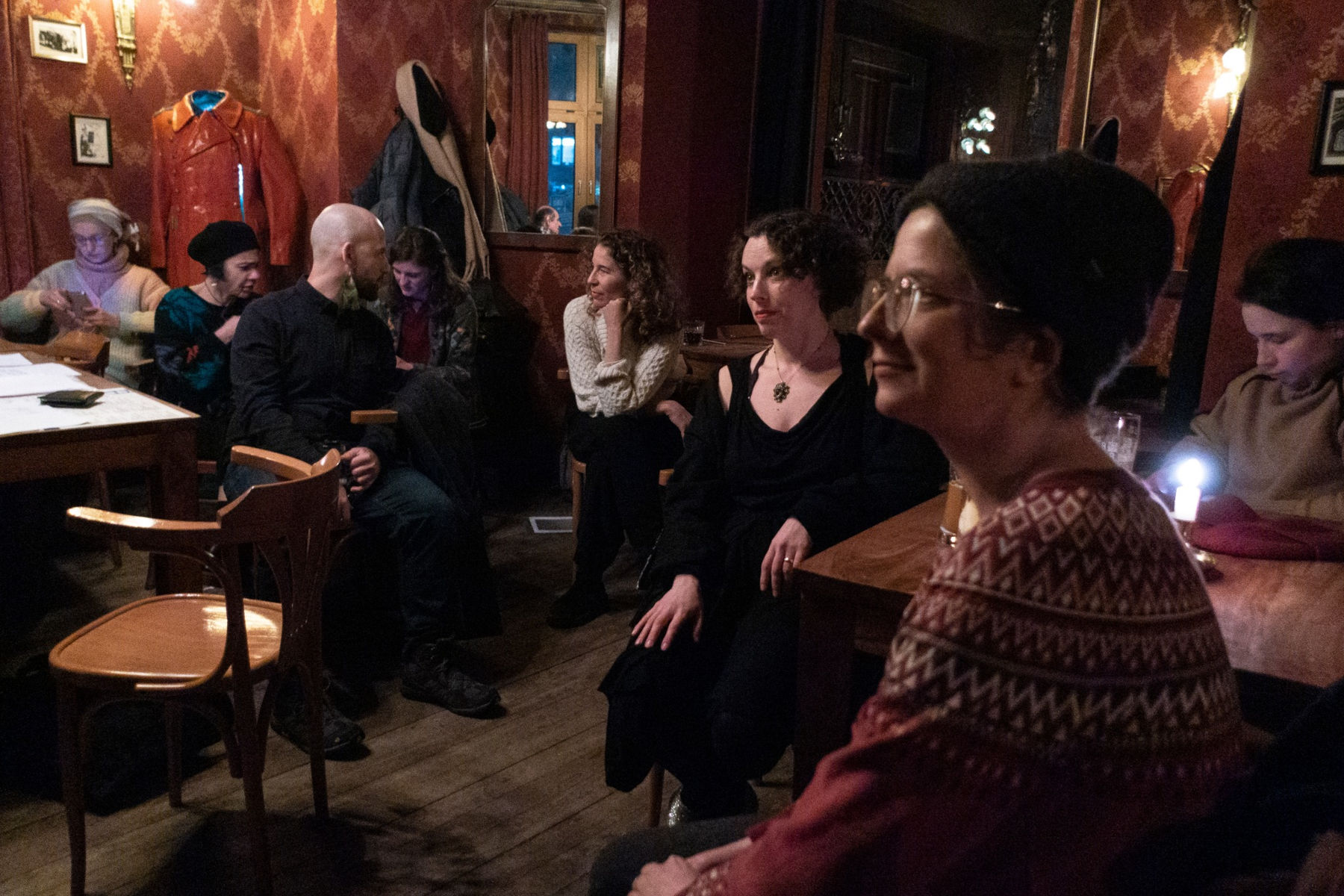
On February 13, 2025, the informal group Yiddish.Berlin held a Valentine’s Eve celebration: an evening of Yiddish poetry entitled “Libebriv” (Love Letters). Can Valentine’s be also Jewish? Osian Evans Sharma, a Yiddish teacher from England, and Michelle Bernstein, a local Berlin-based Yiddish researcher, who came up with the idea of ​​this event, are convinced that it can!

The participants mainly recited their freshly written Yiddish poems, as well as many works by well-known 20th modernist female poets. Poetic and musical undertakings are a common activity of Yiddish.Berlin; for over five years, the group has already been organizing many similar evenings.

A couple of words about the participants:

Jake Schneider is very much a Berlin poet. His works are infused with fantastic themes and formal plays with language subtleties.

Yael Merlini is an Italian-language poet who started writing in Yiddish two years ago. She writes mystical and erotic songs full of shadowy and sensual images.

Jordan Lee Schnee, like Merlini, started writing poetry in his native language (English) before Yiddish. Besides his own texts, he read two poems by Debora Fogel. He translates her poetry into English and he was the editor of her poetry collections in Spanish and Portuguese translations.

Two newcomers also appeared. Luise Fakler, a musician and historian, recited her own Yiddish poem for the first time. Daria Ma, a poet who writes in Russian and experiments with mixed language poetry, also presented a poem she wrote entirely in Yiddish especially for this event.

I, Katerina Kuznetsova, won’t talk here about my own works — you can read them online following this link, along with all the other texts recited during this Valentine’s evening.

The recitations were alternated by pieces of music. The composer and musician Zhenja Oks performed his compositions he created to Celia Dropkin’s, Itzik Manger’s and Olexander Beyderman’s lyrics.

The evening took place at the Café Chagall. It was also meant to signal a new season of Yiddish programs. The group’s new project “Nu? Yiddish in all art forms”, curated by Jake Schneider, is to be started in March. There are also going to be a series of open mics for all Berliners who are involved in Yiddish creativity.

Katerina Kuznetsova, Berlin
From our editorial staff:

We would like to remind our readers that we already have covered the activities of Yiddish.Berlin more than once and keep following them closely. In 2023 our website featured an article about the Berlin-based poet and Yiddishist Katerina Kuznetsova, accompanied by a number of her poems, which the poet Yoel Matveyev also translated into Russian. We wish her and all her Yiddishist fellows lots of luck and success!

Photo credit: Arndt Beck

Yiddish Culture Course at Bard

Yiddish Culture Course at Bard

Yiddish Culture Course at Bard

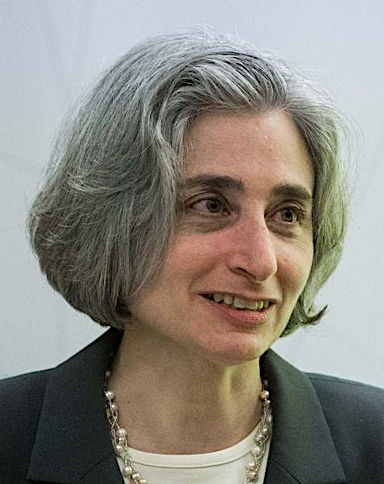
Prof. Cecile Kuznitz

Prof. Cecile Kuznitz, the director of Jewish studies at Bard College who teaches Yiddish from beginner to the most advanced level, discussed her activities with the managers of our project, wishing us the best, and told us about her regular university course entitled The Culture of Yiddish. Much in the spirit of our own mission, it surveys the history of Yiddish culture as well as the changing status of the language and its evolving role in Jewish life from the Middle Ages to the present.

Bard College, a private liberal arts college in Annandale-on-Hudson, New York, offering undergraduate and graduate programs, has an affiliation with the YIVO Institute for Jewish Research, originally established in 1925 in Vilna as the first institution devoted to scholarship in Yiddish and Yiddish culture. Based in New York, YIVO remains one of the most prominent world centers of Yiddish studies.

Watch Prof. Cecile Kuznitz’s interview with the Yiddish Book Center where she discusses her Eastern European family background, her dissertation on the history of YIVO, her beliefs about the future of Yiddish, and more.