From Our Readers: Katerina Kuznetzova’s Poems
From Our Readers: Katerina Kuznetzova’s Poems

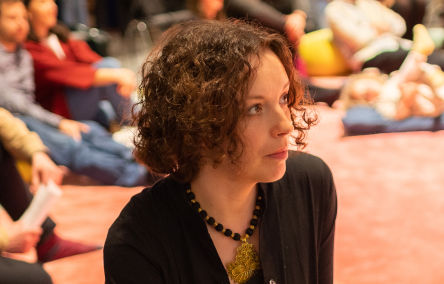
Katerina Kuznetzova
Katerina Kuznetzova, a young Berlin-based poetess, sent a number of her poems especially for our website. We are publishing them for the first time. We also offer our readers translations of these poems from Yiddish into Russian, made by the poet Yoel Matveyev.
This publication is the first of numerous examples of Yiddish literary works already sent to us by our readers. We will choose the best of these works and publish them here, comment on them, and then discuss them on social media. We encourage our readers to share their Yiddish creativity, be it poems, short stories, memoirs, or translations into Yiddish from any other language. Please send your works to info@yiddish-culture.com. Stay tuned for our future publications on the website!
Katerina Kuznetzova was born in 1989 in Moscow. She started learning Yiddish at the age of 20 and further studied the language in Jerusalem. Since 2016 she has been living in Berlin where she teaches Yiddish and actively participates in the cultural life of local Yiddishists, whose number keeps on growing. She began writing Yiddish poetry in 2018.
Kuznetzova made her debut July 2023 in the literary magazine Yidishland (19th issue). Almost simultaneously with this very publication on our website, some of her other poems were also published in the newspaper Birobidzhaner Shtern along with Russian translations.
Kuznetzova’s poems are refreshing, talented and versatile, reflecting her deep acquaintance with Jewish and world poetry. Lyrical themes of love and nature are organically combined with her philosophical meditations on life and death, cosmic forces and the magic of human relationships.

אַ פֿאַרבעטונג אױף אַ װיגליד
נעם מיך אַרום און טרײַב זשע אַװעק
מײַנע סטראַשנע חלומות, צער און שרעק.
נעם מיך אַרום און װײַז מיר דעם װעג
צום סוף רעגנבױגן, צום קאָסמאָס־ברעג.
און מיר װעלן פֿליען,
אַזױ אָן שום צװעק,
איבער ליכטיקן הימל
אױף אַ קאָמעטע־עק.
ס’איז דער שענסטער טרױם מײַנער,
ס’איז אַ פֿרײד אָן קײן פֿלעק.
נעם מיך גיכער אַרום
און לאָז מיך נישט אַװעק.
***
מיר זענען דער שטורעם
דער וויכער וואָס טראָגט זיך
צווישן פּלאַנעטן
אין קאָסמישער פּוסטקייט.
מיר ווערן געשאַפֿן
פֿון שטערן־שטויב
און טיילכלעך ליכט.
אויסער דער צײַט
אויסערן רוים
אויסערן מענטשלעכן גוף.
מיר זענען דער שטורעם.
זומערדיקער זונשטאַנד
איך בין דער יצר־הרע פֿונעם װאַלד
לפּחות הײסט מען מיך אַזױ
און לױפֿט אַװעק
און שעפּטשעט תּפֿילות
װען באמת בענקט נאָך מיר
און האָפֿט שטאַרק אױף מײַן גמילות
כאָטש האָט צו מיר נישט קײן צוטרױ.
איך בין די מלכּה פֿונעם גרינעם קיניגרײַך.
הײַנט פּראַװע איך מײַן חתונה
איך גײ פּאַװאָליע
צו דעם מזבח אינעם בײמער־קאַטעדראַל
איך טראָג אַ קרױן פֿון פֿעדערגראָז
אַ בלומען־קלײד ,אַ פּאָװעטינע־שאַל,
און שמײכל צו מײַן דאָליע.
מײַן חתן שטײט, באַדעקט מיט זונען־שײַן
איך ציטער און איך ברען פֿון גלוסט
איך אײַל אים זיך אינגאַנצן אָפּצוגעבן
ער איז אַלײן דער זומער
און די לוסט,
ער הײסט די ליבע
און ער הײסט דאָס לעבן.
19/06/2023

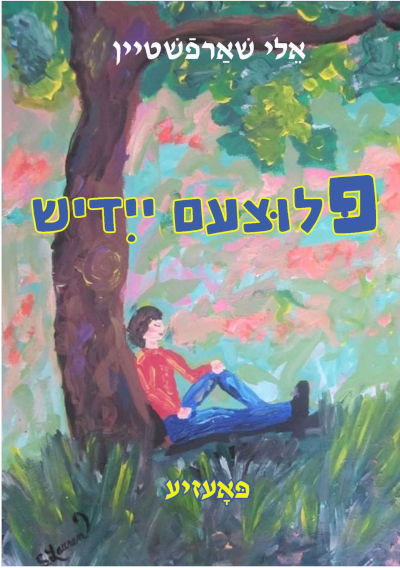 Eli Sharfstein, a contemporary poet and writer who lives in the Israeli kibbutz Ma’agan Michael has published his first book of Yiddish poems. The collection is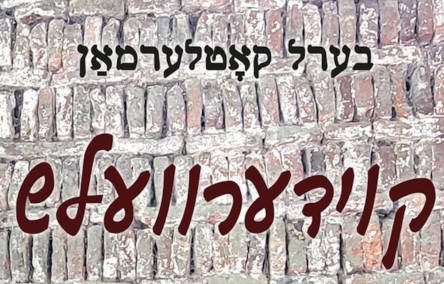
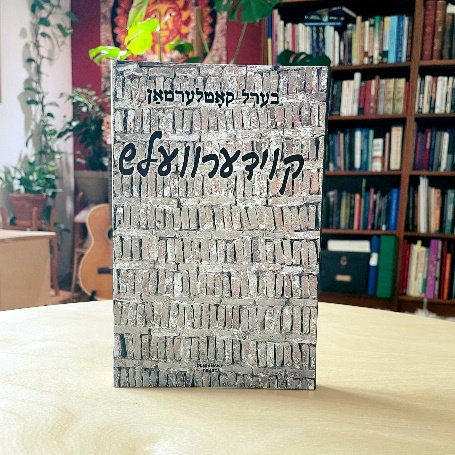 The Swedish publishing house Olniansky Tekst. which specializes in publishing Yiddish books, has published a collection of stories by Berl (Boris) Kotlerman called Koydervelsh.
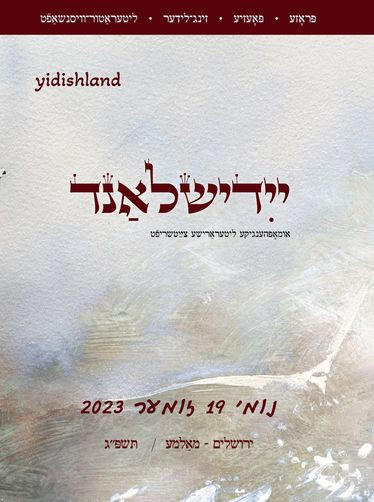 The recently published 19th issue of the quarterly literary magazine Yidishland opens with materials dedicated to Hayim Nahman Bialik’s 150th birth anniversary: a new song to Bialik’s poem “Unter di grininke beymelekh” written by the young Israeli composer Gershon Leizerson, and Velvl Chernin’s article about Bialik’s contribution to the development of Yiddish poetry. Although this great poet mainly wrote in Hebrew, he is also the author of important Yiddish works.
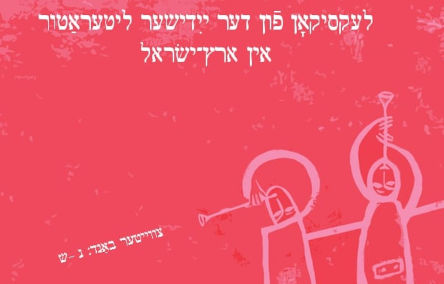
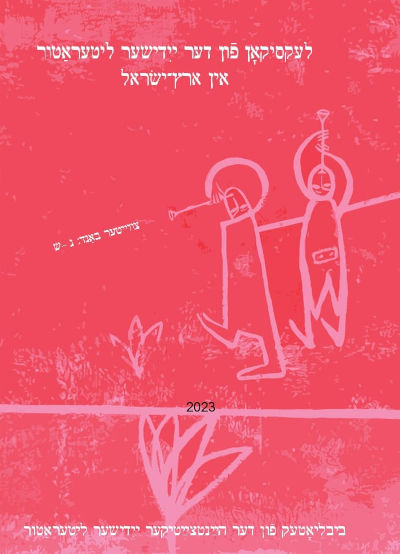 The second volume of the bio-bibliographic guide Lexicon of Yiddish Literature in the Land of Israel was published in Tel Aviv, as a part of the book series Library of Contemporary Yiddish Literature. It includes information about Yiddish authors who lived in Mandatory Palestine and later in Israel. The first volume appeared in 2021. Both volumes of this unique reference book were compiled and edited by Dr. Velvl Chernin, Mikhoel Felzenbaum and Dr. Dov-Ber Kerler.