Return of Yiddish Glory

Return of Yiddish Glory

Return of Yiddish Glory
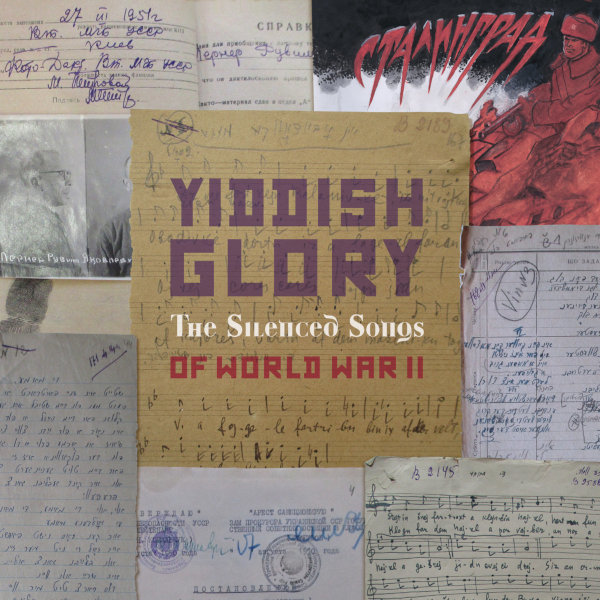
Prof. Anna Shternshis and the musician Psoy Korolenko produced a new music album based on songs from Moisey Beregovsky’s archive, Yiddish Glory: The Silenced Songs of World War II. Unlike their previous 2018 Grammy-nominated album, Yiddish Glory: The Lost Songs of WW2, which resurrects anti-fascist songs of Jewish Red Army soldiers and partisans, the new production features songs of Holocaust survivors of the camps and ghettos.

Moisey Beregovsky (1892–1961) was an outstanding figure in Soviet musicology, a scholar who almost single-handedly preserved the treasures of Jewish folk music. The new album includes several performers. Psoy Korolenko, the primary male vocalist, is joined by the UK-based singer Alice Zawadzki, who performs in Yiddish for the first time and plays violin as well. Other singers include the Toronto-based cantor Simon Spiro.
Rokhl Feygenberg’s Childhood Memoirs in English

Rokhl Feygenberg’s Childhood Memoirs in English

Rokhl Feygenberg’s Childhood Memoirs in English

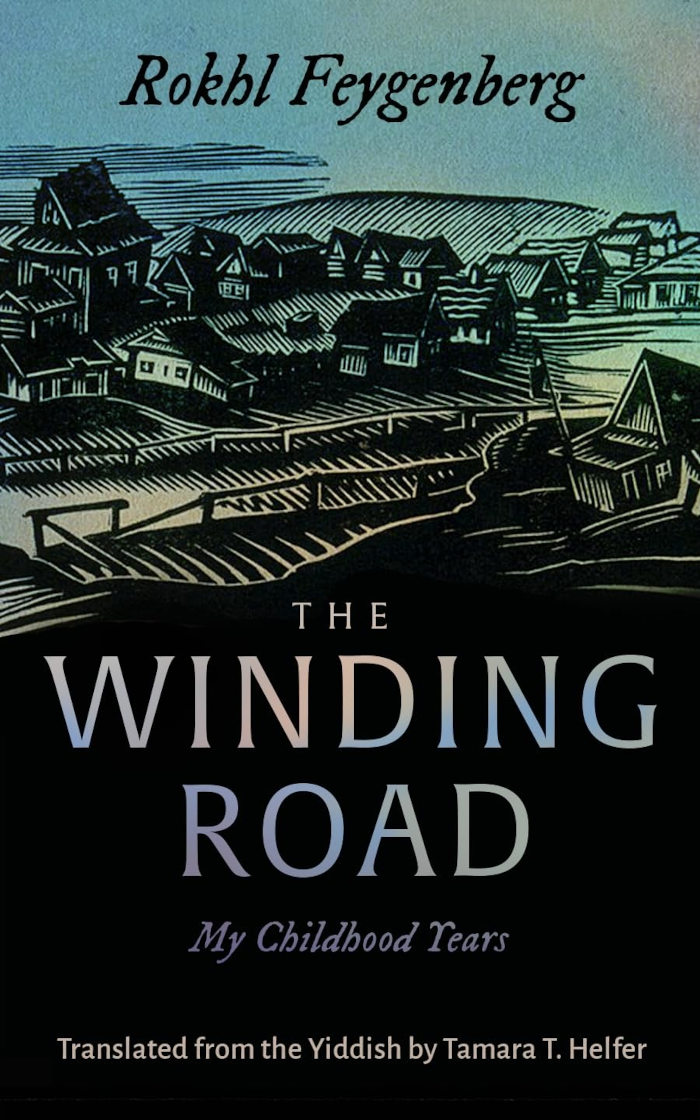
Rokhl Feygenberg’s Yiddish memoirs of her childhood years in the small Belarusian shtetl Lyuban, were published by Syracuse University Press, translated into English by Tamara T. Helfer.
Rokhl Feygenberg (1885–1972) became one of the youngest Yiddish authors when her autobiographical novel was released as a series in the literary magazine Dos lebn in 1905. In 1909 it was published as a book. Her romanticized childhood memoirs take place in the fictional village of Bulin, surrounded by wild swamps and forests, a typical scenery for Belarusian Jews in the late 19the century.

Helfer titled her masterful translation The Winding Road. Feygenberg’s original title was simply Di kinder-yorn (The Childhood). The book presents vivid descriptions of everyday shtetl life. Years laters after her debut childhood-based novel, Rokhl Feygenberg became one of the first few women who established themselves as professional Yiddish writers and journalists.

Katerina Kuznetsova’s First Poetry Book

Katerina Kuznetsova’s First Poetry Book

Katerina Kuznetsova’s First Poetry Book

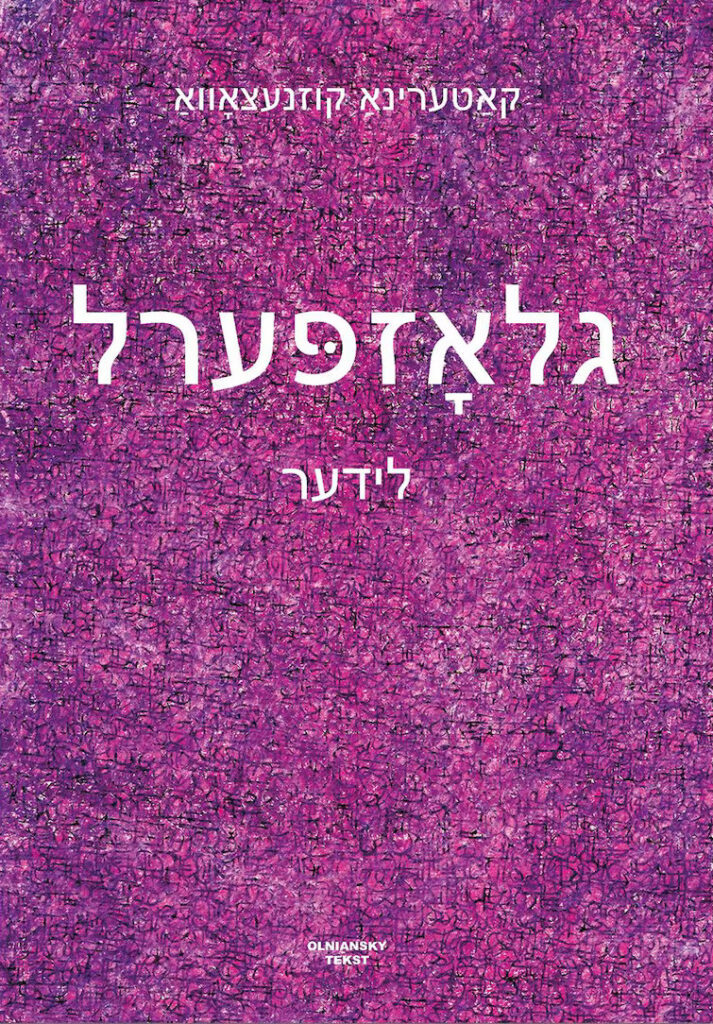
The poet Katerina Kuznetsova presented her first Yiddish poetry book Glozperl (Glass Beads) on February 24, 2026, in Berlin. The book was published by the Swedish publishing house Olniansky Tekst.
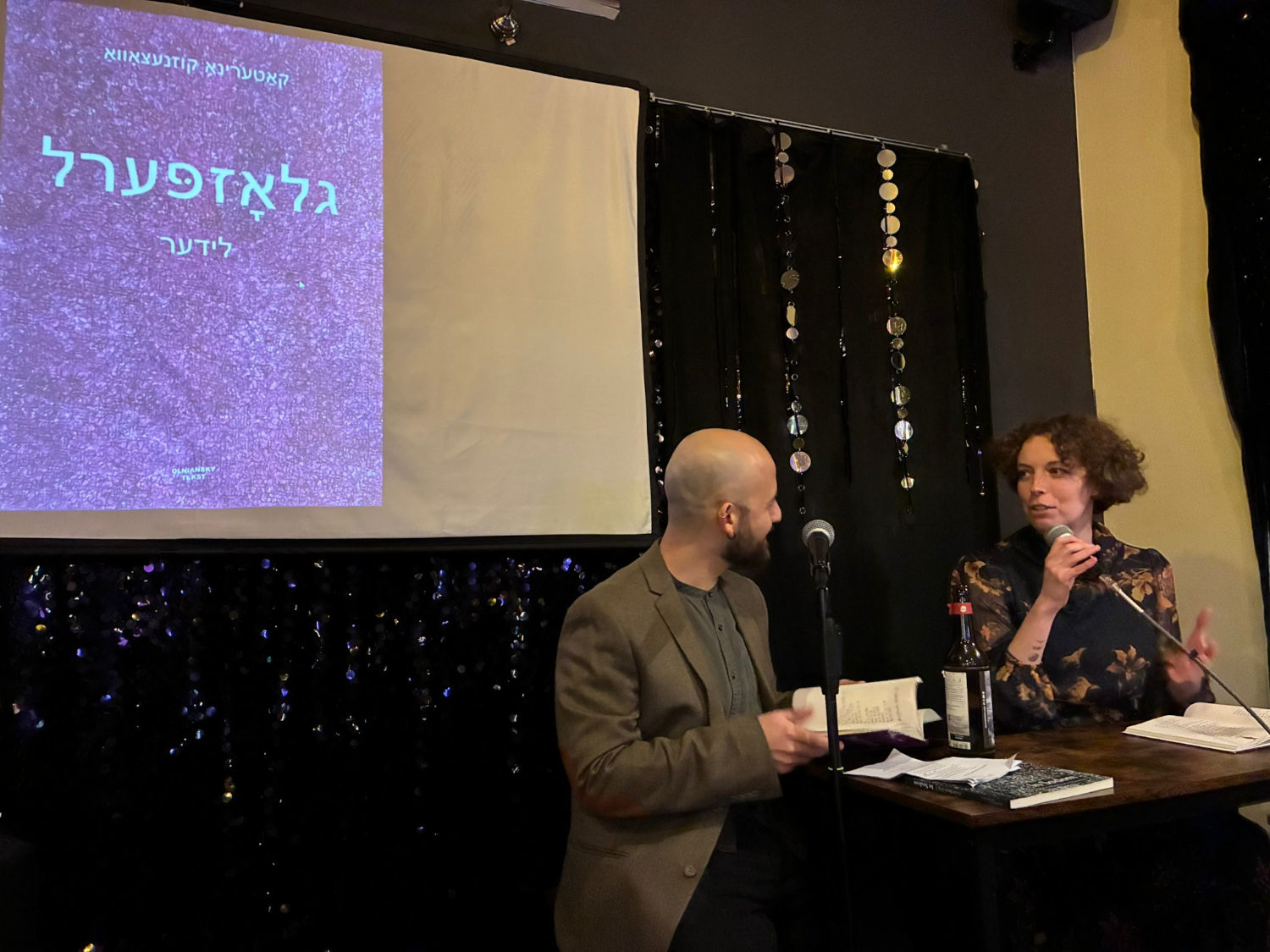
Born in 1989 in Moscow, Kuznetsova started learning Yiddish at the age of 20. She has been living in the capital of Germany since 2016 where she teaches Yiddish. She founded the informal Yiddishist cultural group Yiddish.Berlin, which includes several local poets.

Kuznetsova began writing Yiddish poetry in 2018. Some of her poems have been translated into Russian, Ukrainian and English. A selection of 10 Kuznetsova’s poems were included in the bilingual volume of contemporary Yiddish poetry with Russian translations Ikh ker zikh um (I Return), published in 2025 in Moscow.

Photo by Jason Lipscombe

5th Yiddish Festival in Birobidzhan

5th Yiddish Festival in Birobidzhan

5th Yiddish Festival in Birobidzhan

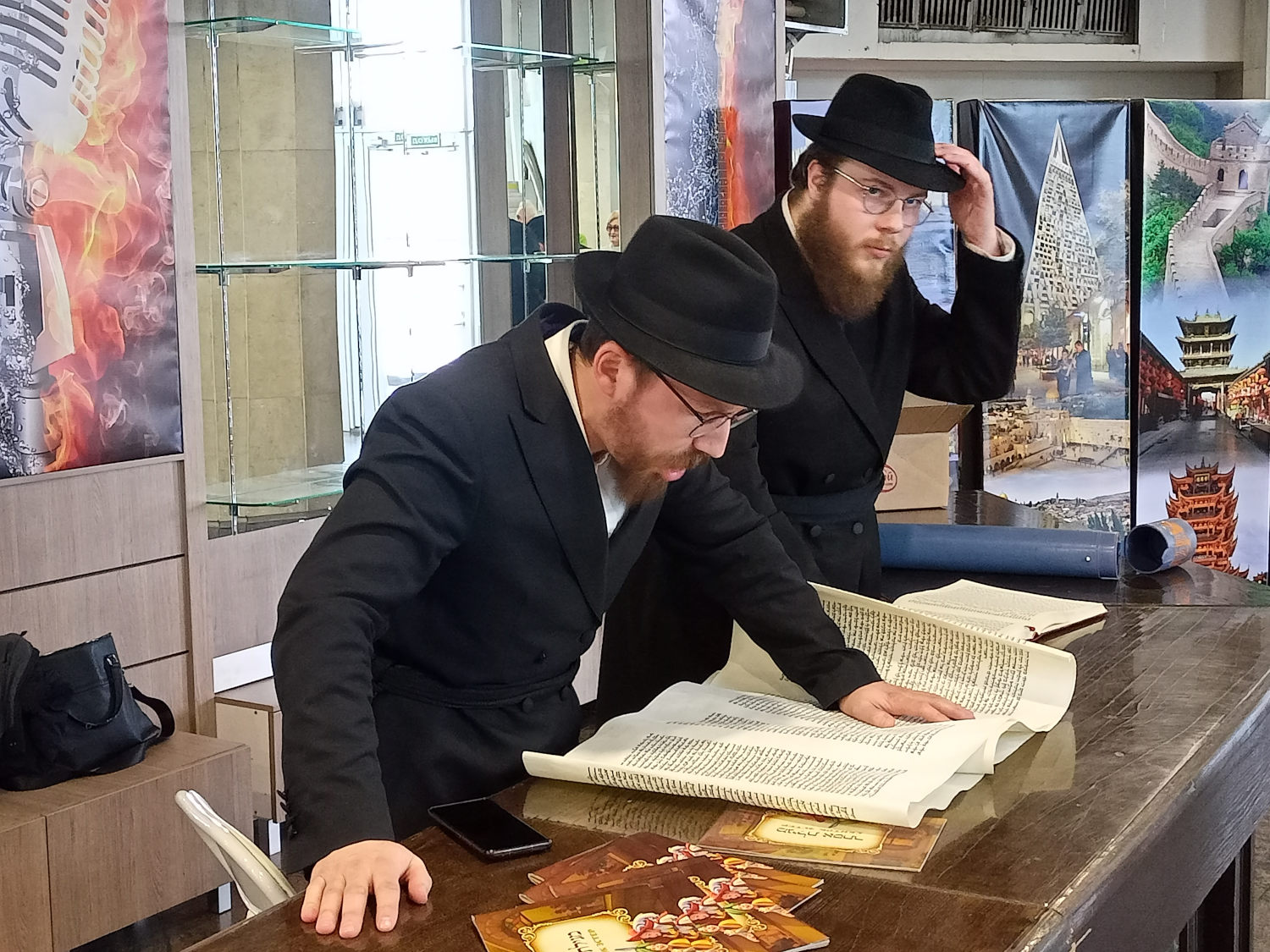
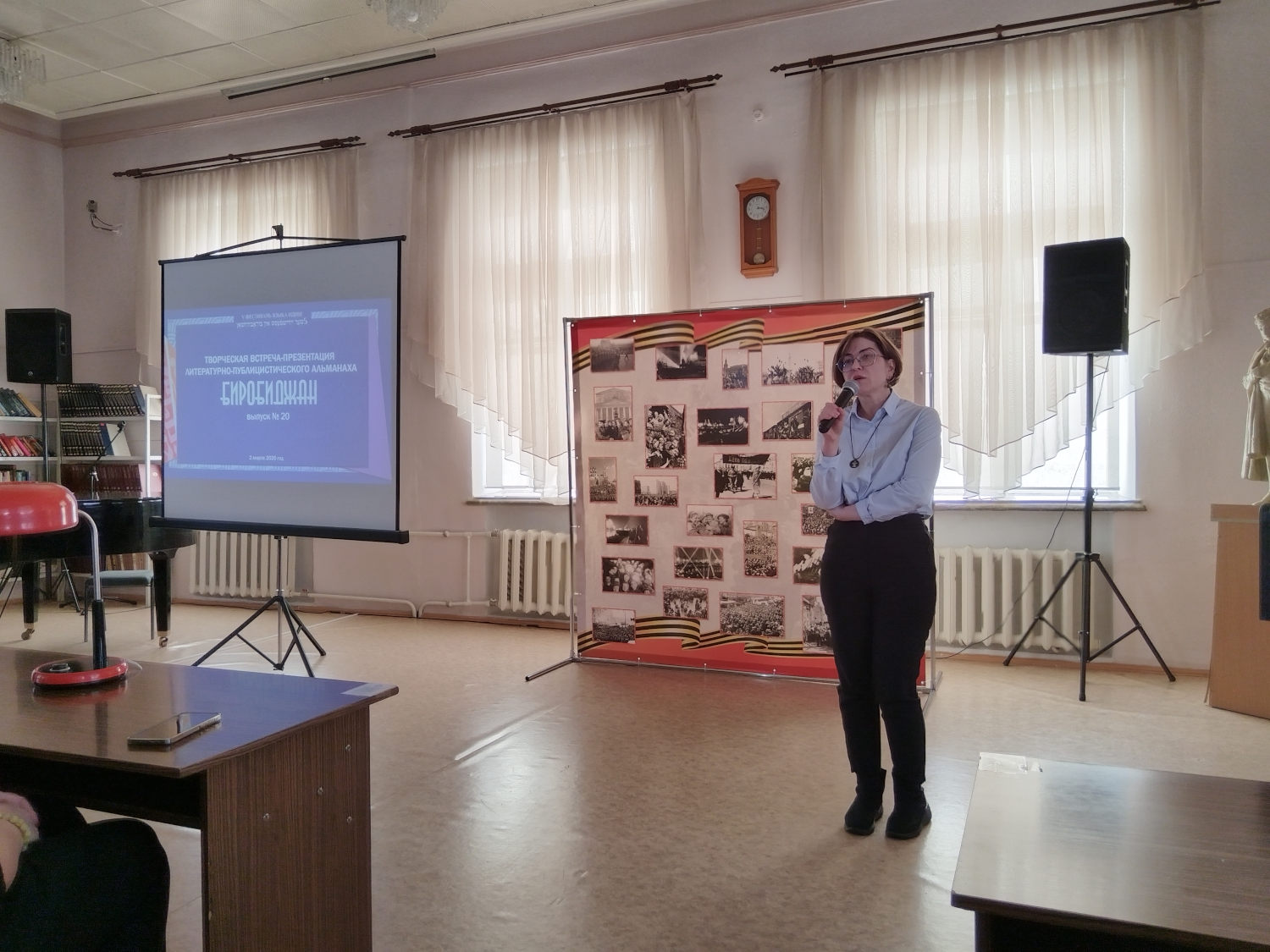
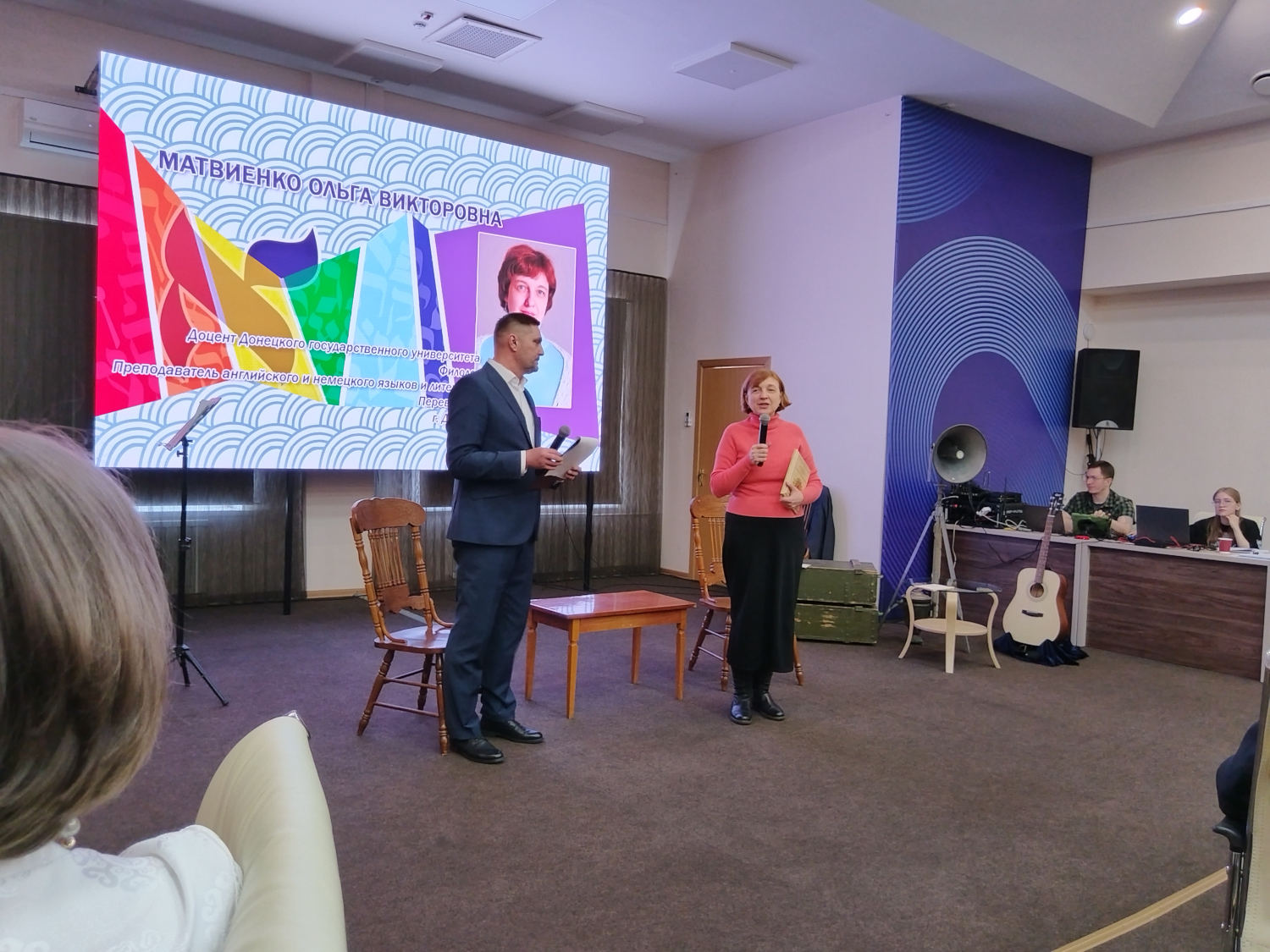
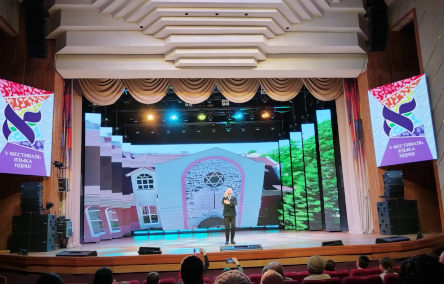
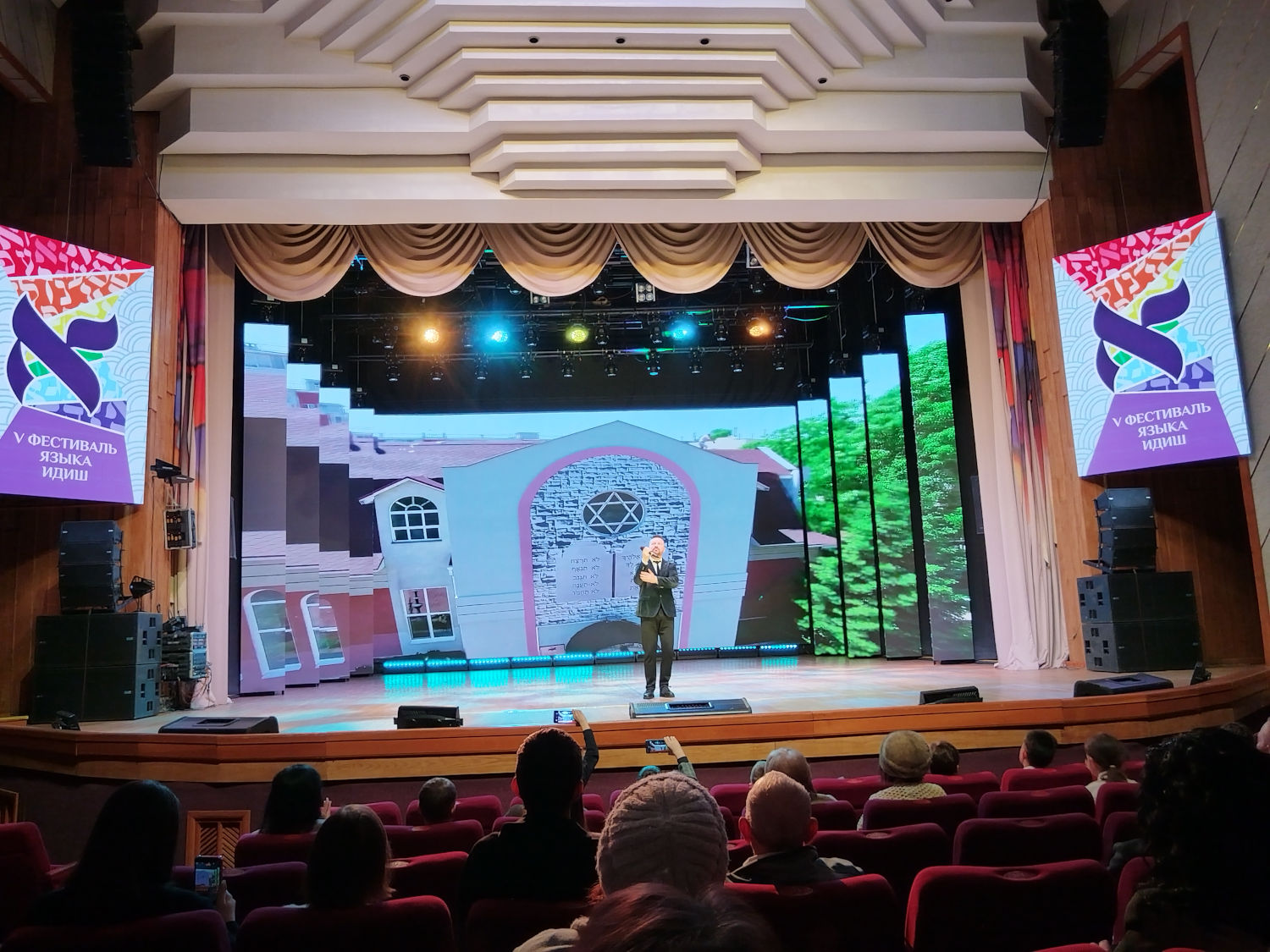
The 5th Yiddish Festival (Yiddishfest) took place in Birobidzhan from March 1 to March 3, 2026. Yoel Matveyev from Saint Petersburg, the editor-in-chief of our website, along with Olga Matvienko, an associate professor of the Donetsk State University, visited the capital of the Jewish Autonomous Region and gave lectures about their work. Matvienko specializes in poetry translation and translates Yiddish poetry into Russian and Ukrainian.

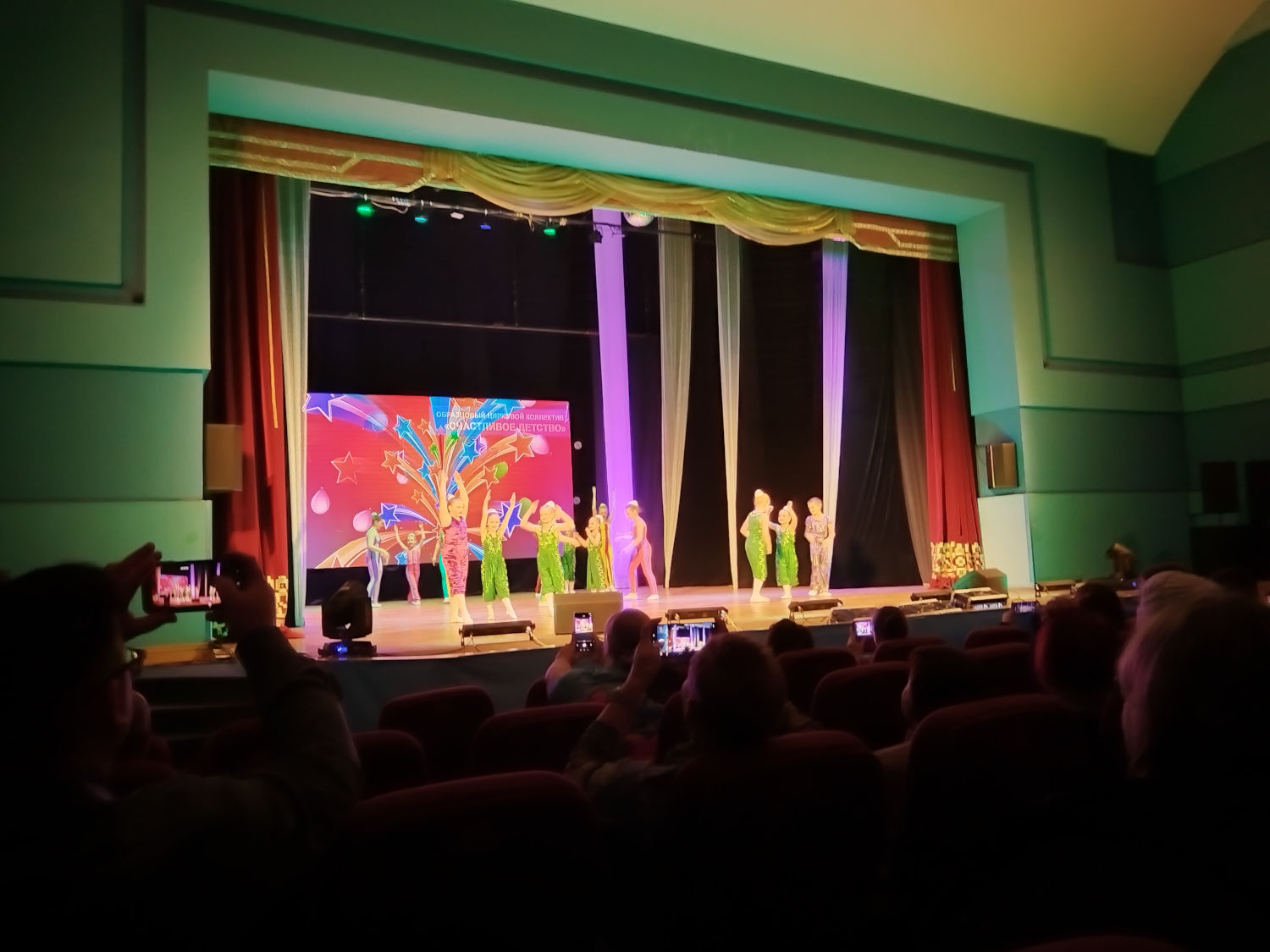
The festival’s conclusion coincided with a Purim party organized by the local Jewish community. It included concerts where professional musicians and Birobidzhan’s children choir Ilanot performed songs in Yiddish. There were also presentations of books produced in Birobidzhan that contain original materials in Yiddish and translations from Yiddish into Russian. The festival included a wide array of other events as well.

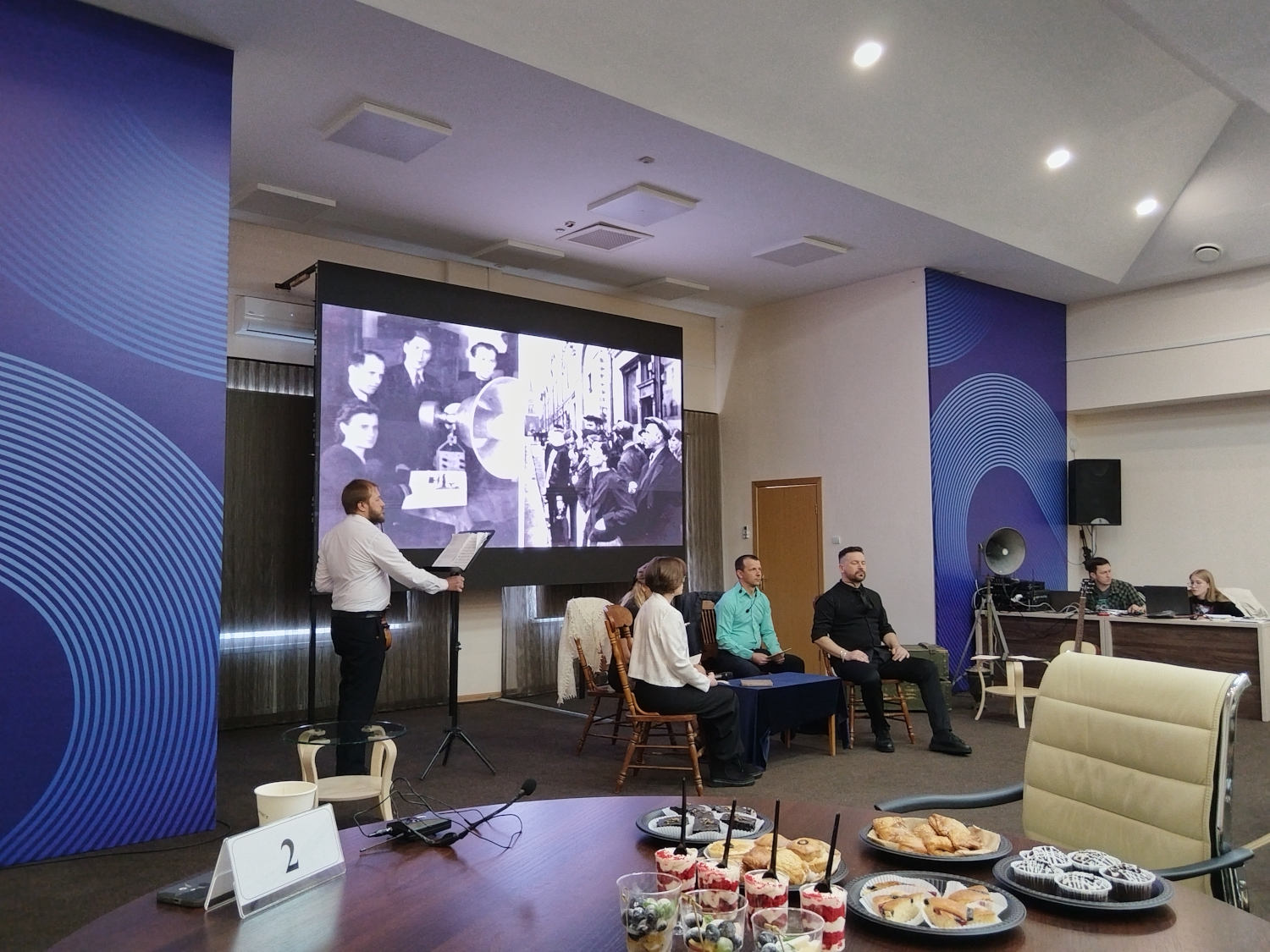
Especially powerful and emotional was the festival’s opening on March 1, which included a theatrical presentation of the unique bilingual Yiddish-Russian poetry book “Продолжит петь его строка” (His Poem’s Line Will Continue to Sing). It contains poems of 23 Yiddish poets who died as Red Army soldiers fighting the Nazis during WWII translated by the Birobidzhan-based poet Alla Akimenko. Published in Birobidzhan in 2025, the book is dedicated to the 80th anniversary of the WWII victory.

The Yiddishland Pavilion’s Open Call

The Yiddishland Pavilion’s Open Call

The Yiddishland Pavilion’s Open Call

The Yiddishland Pavilion is pleased to announce an Open Call for the Pavilion’s Artist Residencies during the 61st International Art Exhibition of La Biennale di Venezia.

In collaboration with Jewish Renaissance and in partnership with Venezia Contemporanea, the Yiddishland Pavilion invites applications from UK-based Jewish visual artists for a short-term research residency in Venice. This residency programme grows out of Jewish Renaissance’s Artist Development Scheme and the Yiddishland Pavilion’s ongoing work at the Venice Biennale and beyond.
UK-based contemporary visual artists are warmly encouraged to apply and to share this opportunity with fellow UK-based visual artists!

These residencies form a part of the Yiddishland Pavilion’s broader program during this year’s Venice Biennale. The full program will be announced later this month.

A Poetic Dialogue of Translators

A Poetic Dialogue of Translators

A Poetic Dialogue of Translators

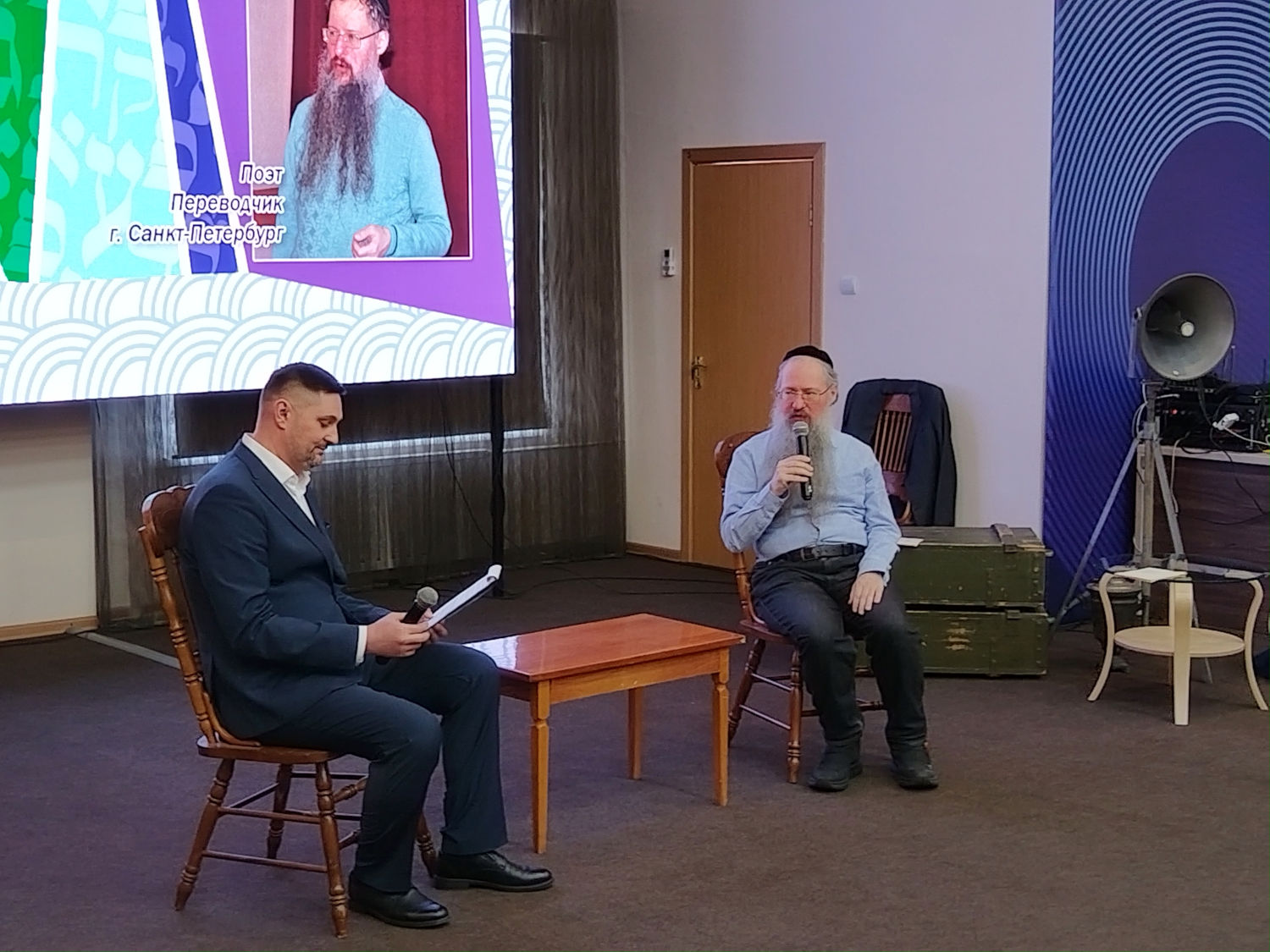
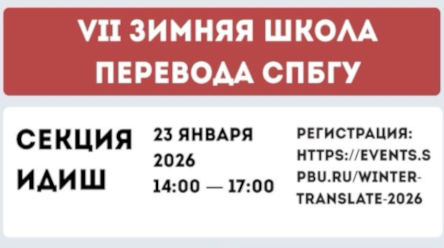
As last year, the Yiddish section of the 7th International Winter School of Translation at St. Petersburg State University was held by Yoel Matveyev, Lyubov Lavrova, and Olga Matvienko. This time, the lecturers engaged in a poetic dialogue about two Jewish poets who lived in Birobidzhan.

Matveyev spoke about his work on his Yiddish translations of Rilke. Lavrova talked about her participation in the Yiddish authors’ database on the website of the Congress of Jewish Culture (CJC), an international Yiddish organization founded in 1948. The database is available in both Yiddish and English. Olga Matvienko spoke about her recent translations of poems about Birobidzhan and the Jewish Autonomous Region, which she translated into Russian.

Works by Henekh Koyfman and Aaron Kushnirov that she liked were previously translated by Yoel Matveyev. Both versions have now been published by the newspaper Birobidzhaner Shtern.