New Yiddish Animation from St. Petersburg

New Yiddish Animation from St. Petersburg

New Yiddish Animation from St. Petersburg

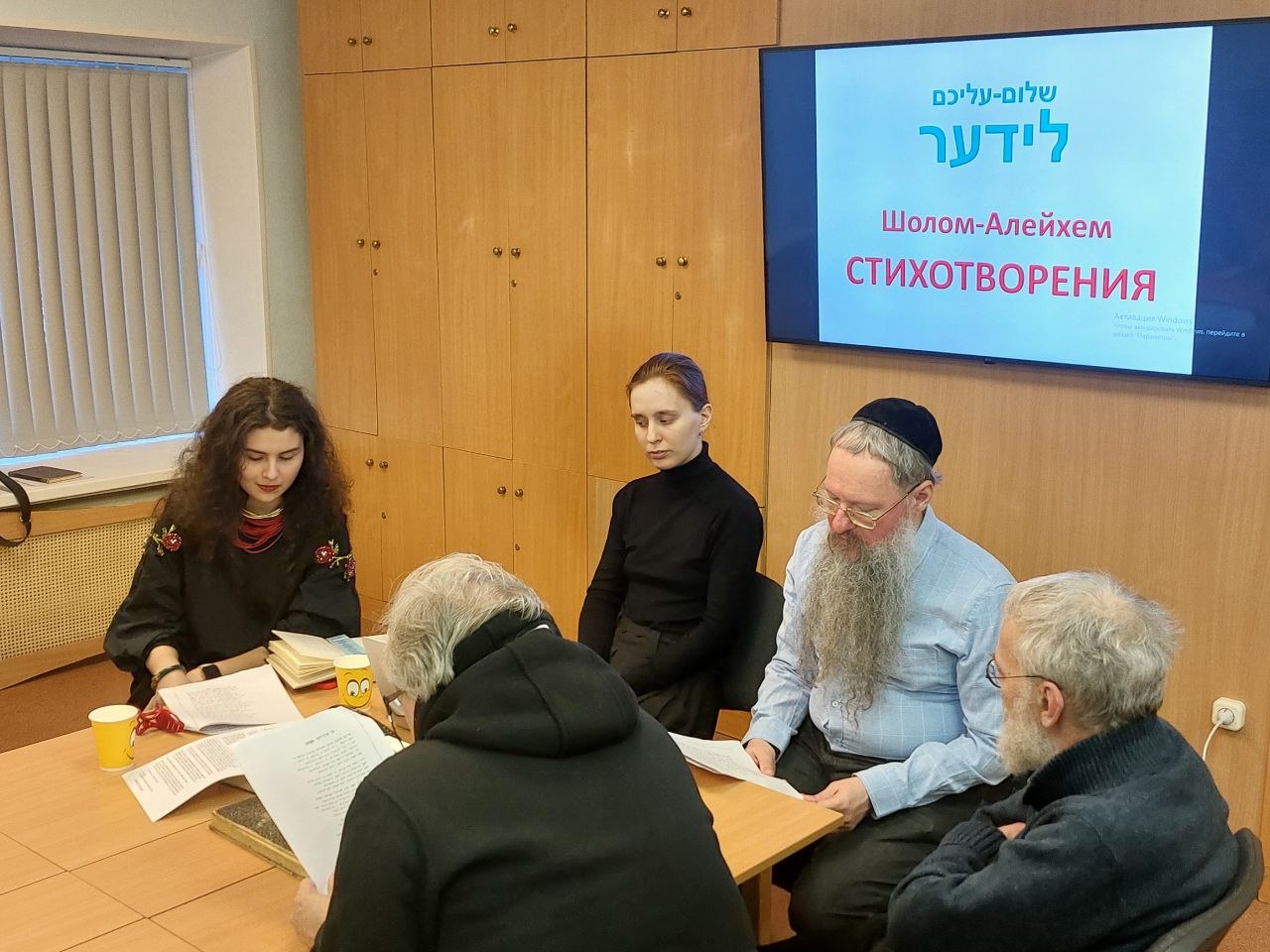
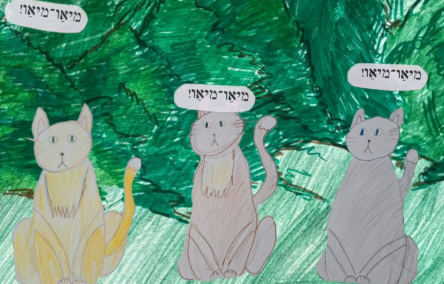
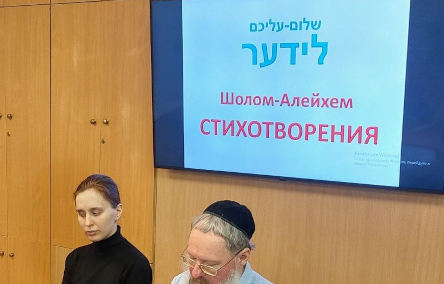
The Jewish Community Center of St. Petersburg, Russia, produced a children’s animation in Yiddish titled An Emeser Kontsert (A True Concert), directed by Marina Sokol. Children who study the language at the local Yiddish-oriented Sunday club Undzere Traditsyes (Our Traditions) recite a poem by Beyle Schaechter-Gottesman (1920-2013).

Born in Vienna and raised in Czernowitz (then Romania, now Ukraine), Schaechter-Gottesman grew up in a Yiddish-speaking family surrounded by a multilingual environment. Luckily, she survived the war in the Czernowitz ghetto, along with her mother, husband and several other family members. Later on, after moving to New York, she authored eight books of Yiddish poetry. Several of her relatives continue to play important roles in today’s Yiddish culture.
Yiddish Glory in China and Korea

Yiddish Glory in China and Korea

Yiddish Glory in China and Korea

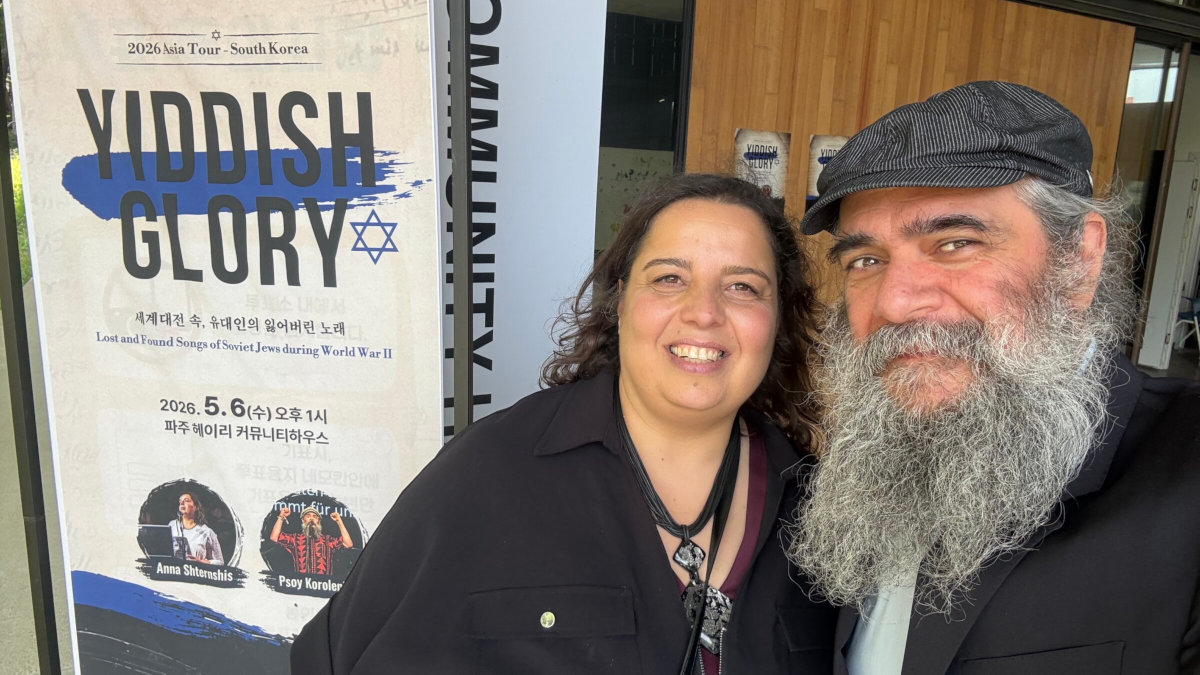
In May 2026, the musician Psoy Korolenko and the Yiddish researcher Anna Shternshis toured across China and South Korea with their music project Yiddish Glory. For the first time, a broad audience in these countries became familiar with a whole series of Holocaust songs in Yiddish, including very rare ones, not included yet in any album.

Korolenko and Shternshis jointly performed at six lecture concerts: for each song that the musician sang, playing himself the piano, the historian explained the song’s background and lyrics. Additionally, Shternshis gave two lectures on her own. The events took place in Shanghai, Hong Kong and Beijing, as well as in the city of Paju near Seoul.

The project Yiddish Glory aims to revive WWII songs from the giant archive collected by Moisei Beregovsky, the famous Jewish Soviet folklorist and musicologist. This resulted in the Grammy-nominated 2018 album The Lost Songs of World War II and the 2026 second album The Silenced Songs of World War II. Altogether, the project’s collection contains hundreds of songs.

Yang Meng, one of the events’ organizers in Beijing, is a Yiddish specialist and an assistant professor at Peking University. The events in Shanghai were organized by Professor Anruo Bao who teaches Yiddish literature at the Shanghai International University.

There are several historical connections between Yiddish and China. In early 20th century China had a large Yiddish-speaking community living in Harbin. About 20 thousand Yiddish speakers escaped the Nazis and came to Shanghai. Nowadays, a significant number of Yiddish-speaking Jews live in Beijing.

The Words That Fit My Mouth

The Words That Fit My Mouth

The Words That Fit My Mouth

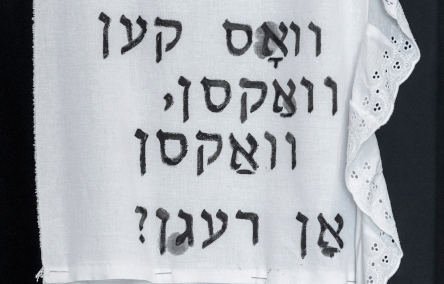
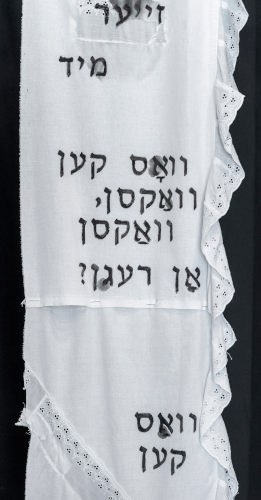
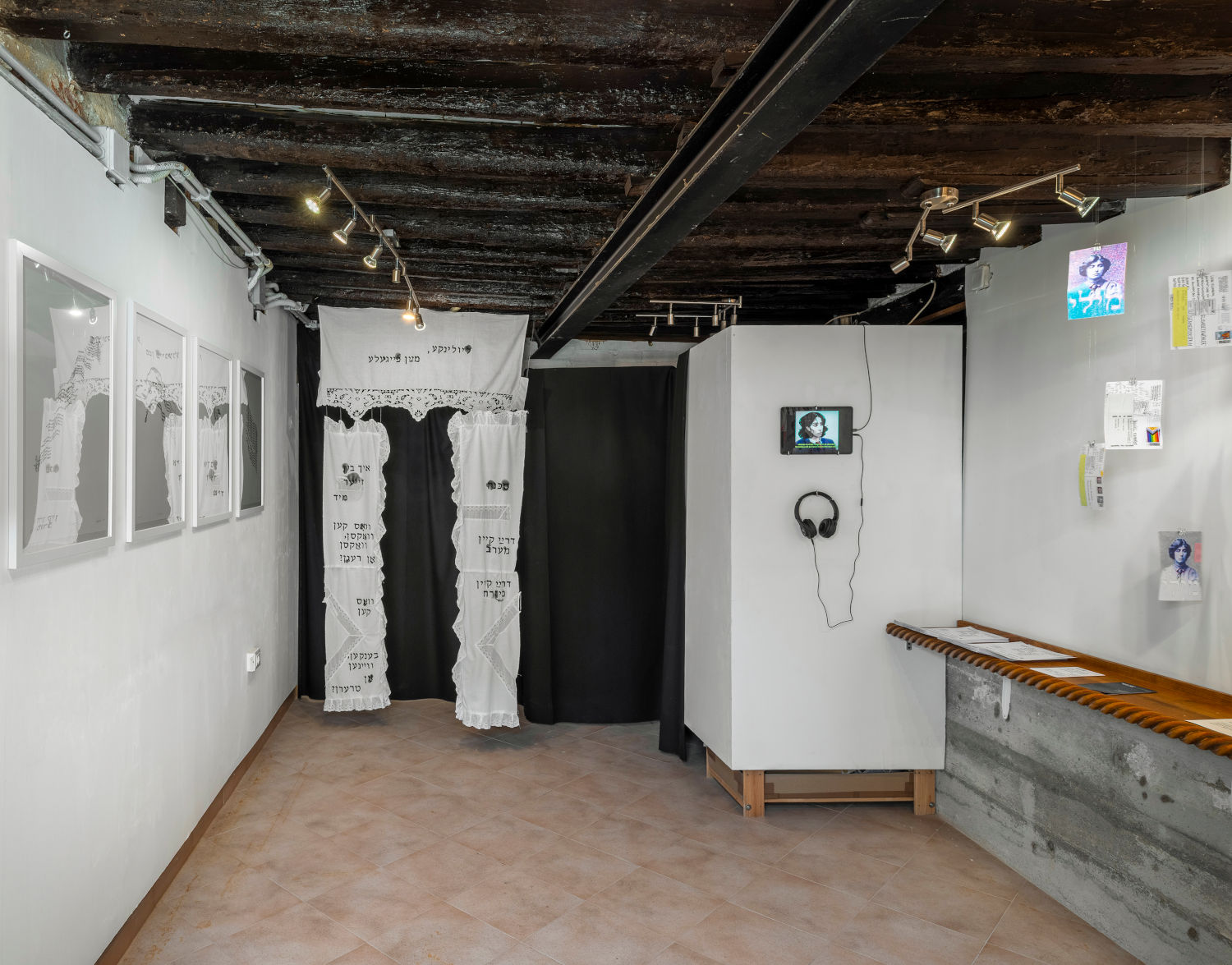
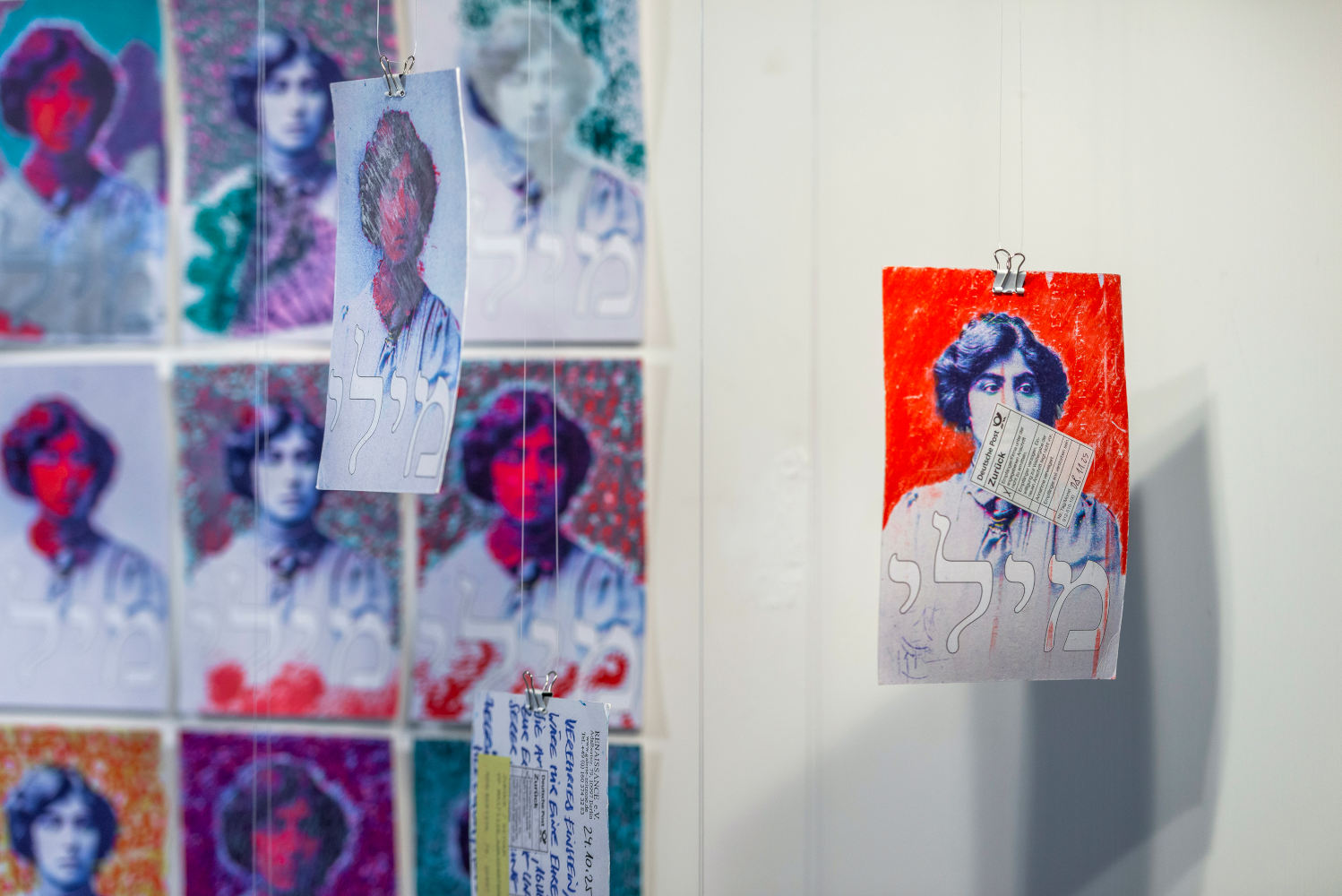
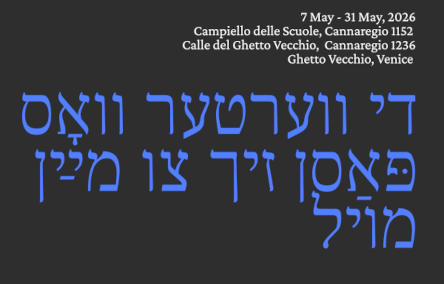
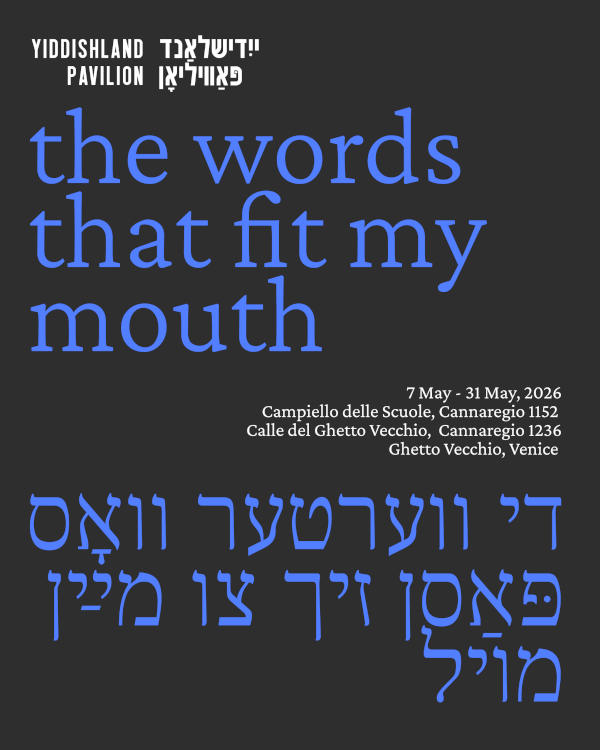
The current Yiddishland Pavilion at the Venice Biennale was inaugurated on May 7, 2026, by the exhibition The Words That Fit My Mouth. It brings together artists whose works engage with embodied translation, interpretation and multilingual transtemporalities.
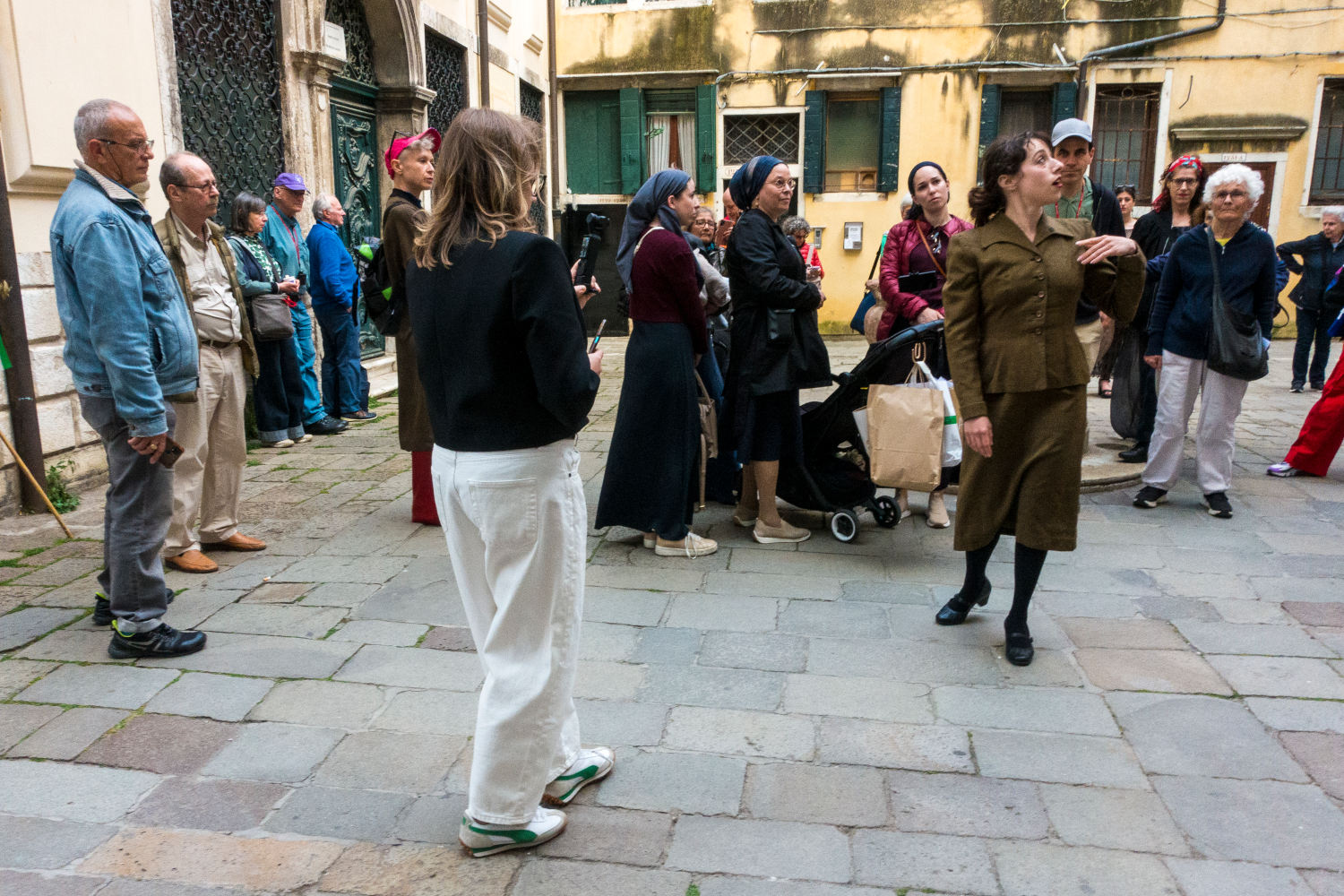
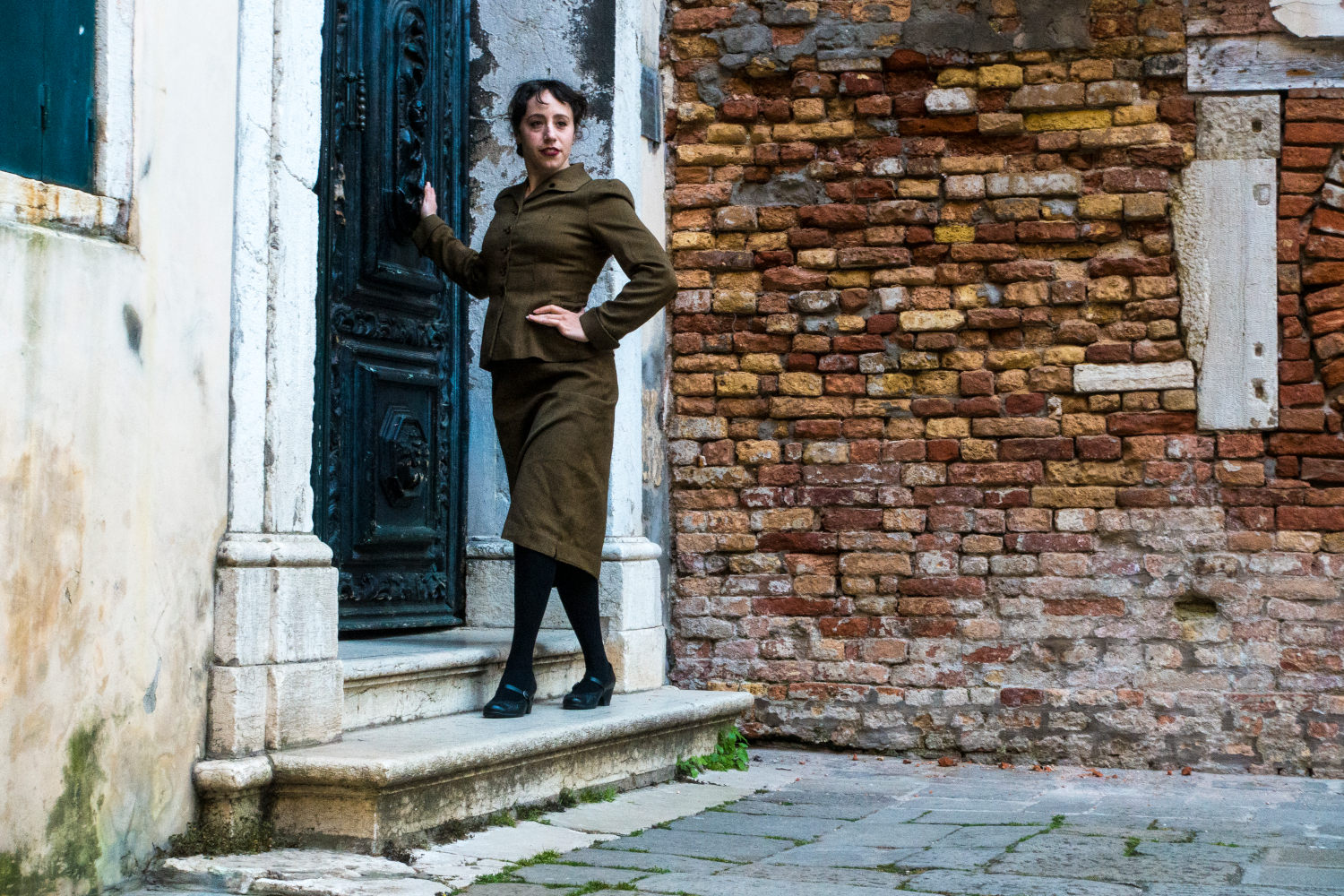
Responding to the Jewish tradition of reading and commentary, the exhibition, which will remain open till May 31, approaches texts not as fixed containers of meaning, but as spaces shaped through contradiction, repetition and reimagining. Meaning emerges through layered encounters in which divergent voices remain in relation to one another rather than being reconciled. It includes works that move between languages – Yiddish, Hebrew, Arabic and others – by Arndt Beck, Liliana Farber, Laila Abd Elrazaq and Masha Shprayzer, accompanied by a series of performances by the artist, choreographer and singer Eliana Pliskin Jacobs.

Bearing the same title – The Words That Fit My Mouth – the current Yiddishland Pavilion itself will remain open until September 16, 2026. It is a conceptual, independent, non-national art space initiated in 2022 by the artist Yevgeniy Fiks and curator Maria Veits. Since 2025, shaped by both historic and contemporary Yiddish experiences, the pavilion has been situated in the Ghetto Vecchio, the historical Jewish quarter of the city. Its third iteration explores Yiddishland as an imagined territory constituted through language, translation, memory and voices.

Photos by Arndt Beck and Filippo Molena

Yiddishland Pavilion: Third Edition

Yiddishland Pavilion: Third Edition

Yiddishland Pavilion: Third Edition

The New York-based artist Yevgeniy Fiks is happy to announce on our website the third edition of the Yiddishland Pavilion at the Venice Biennale. The opening ceremomy will take place on May 7 from 6 till 8 PM. This year’s edition is titled The Words That Fit My Mouth. The full program is available on the pavilion’s website.
We hope to see you in Venice, or that you’ll follow our activities and help spread the word from afar.

The Yiddishland Pavilion remains a grassroots, independent art project run by just two people: Maria Veits and myself. We would greatly appreciate your support in sustaining this effort for the sake of contemporary Yiddish culture. Please consider supporting us and amplify the voice of the Yiddishland Pavilion:

https://ko-fi.com/yiddishlandpavilion

A dank, thank you, grazie, toda!

Yevgeniy Fiks

Sholem Aleichem’s Yahrzeit in St. Petersburg

Sholem Aleichem’s Yahrzeit in St. Petersburg

Sholem Aleichem’s Yahrzeit in St. Petersburg

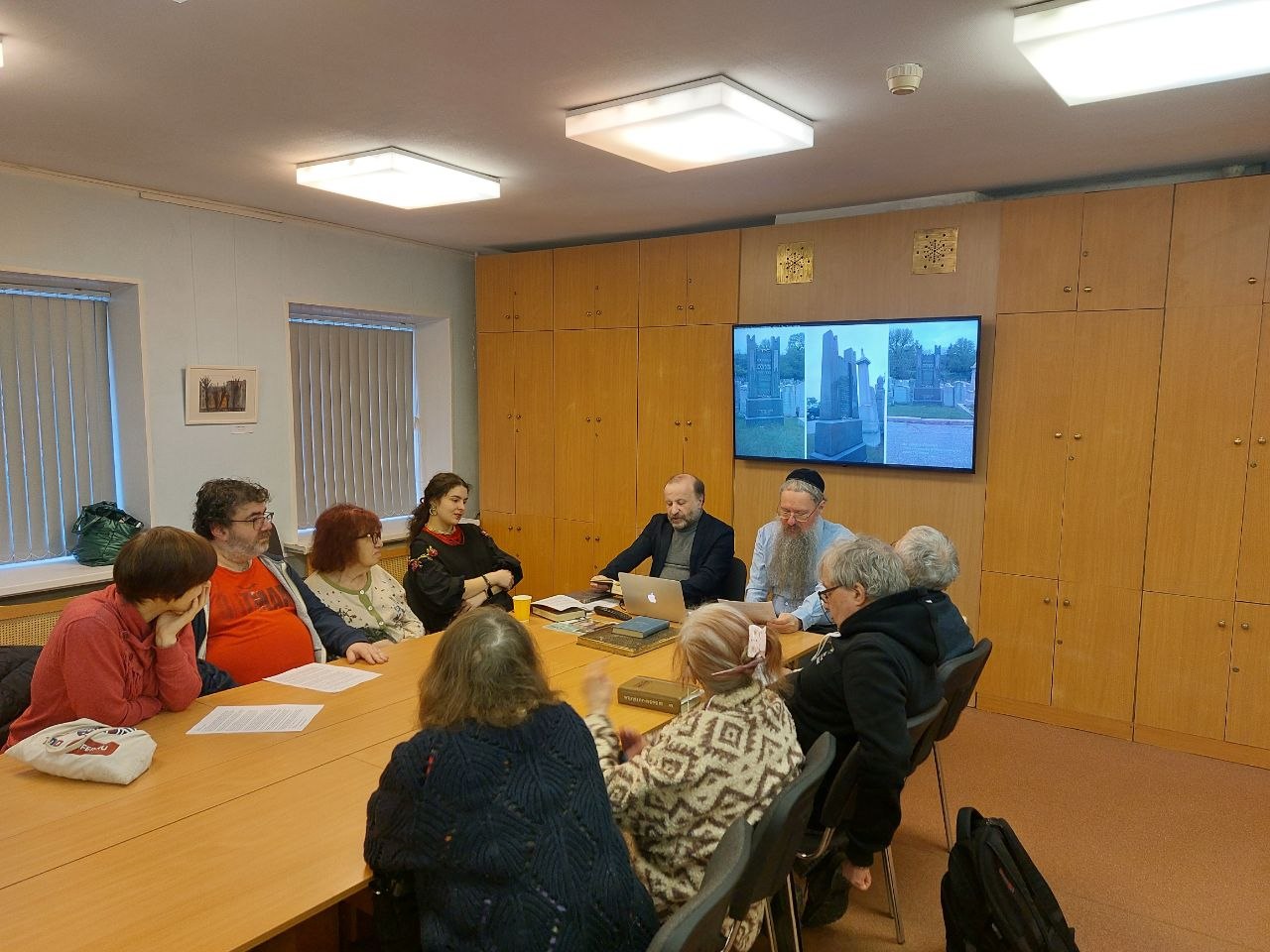
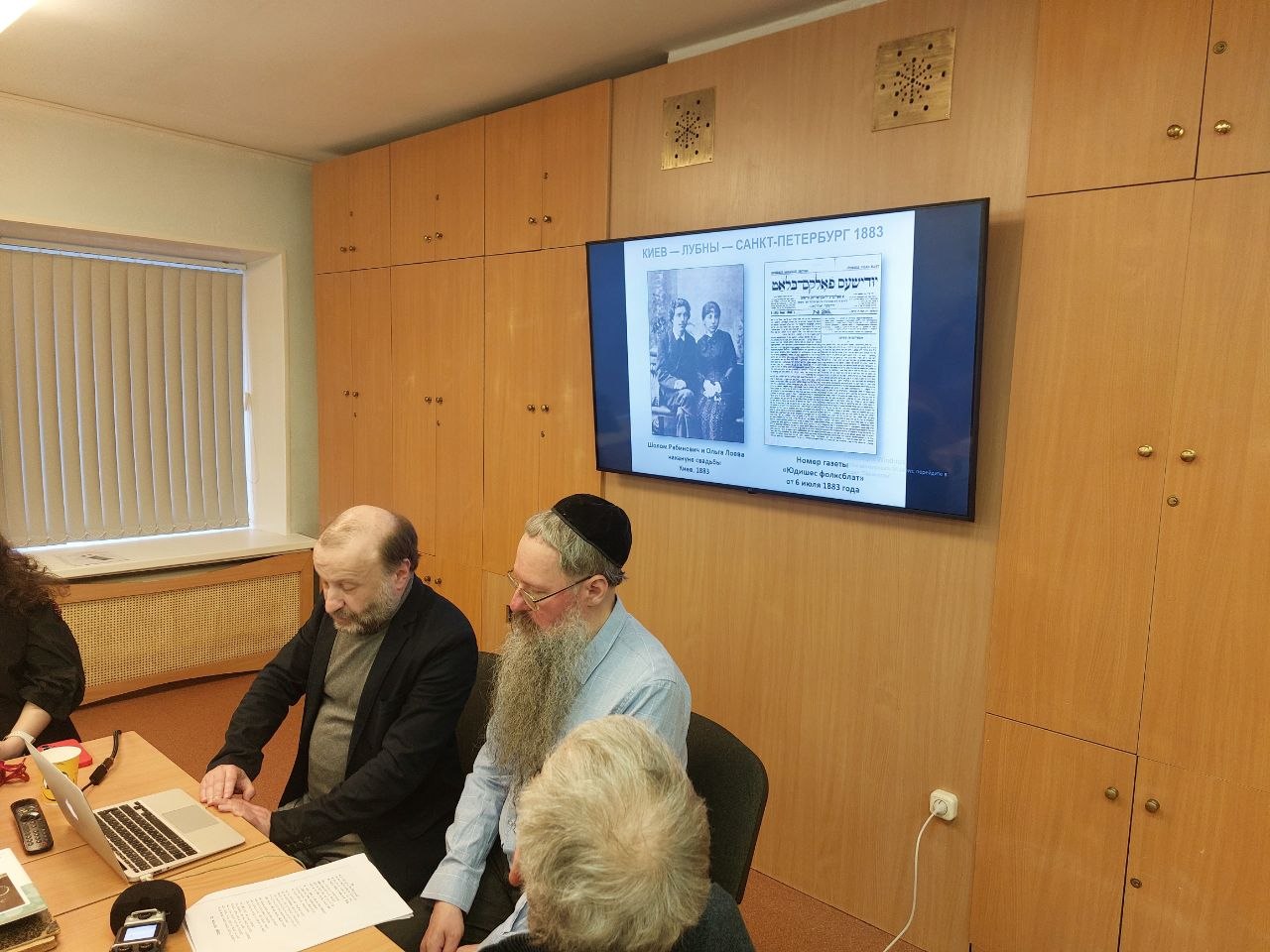
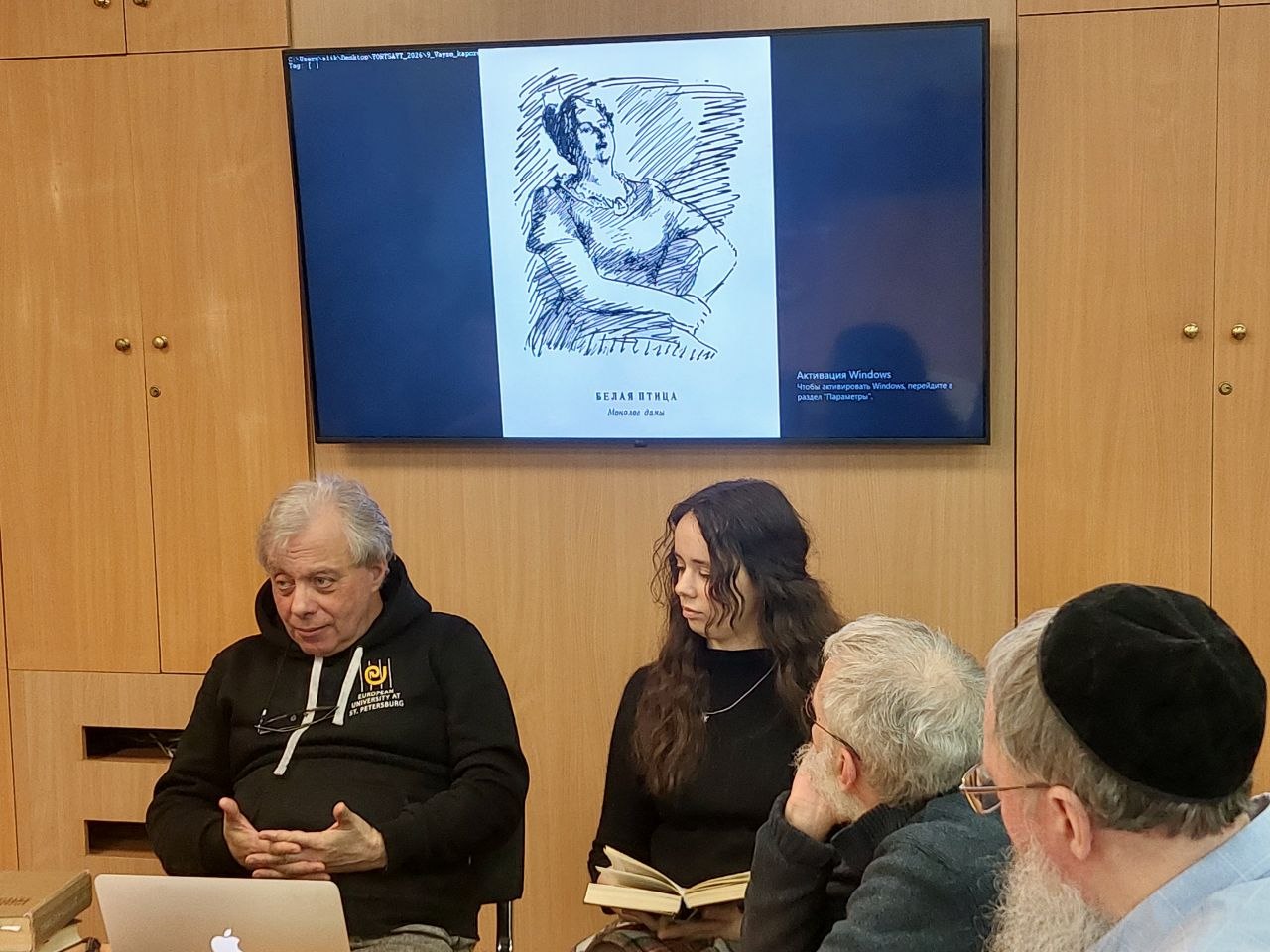
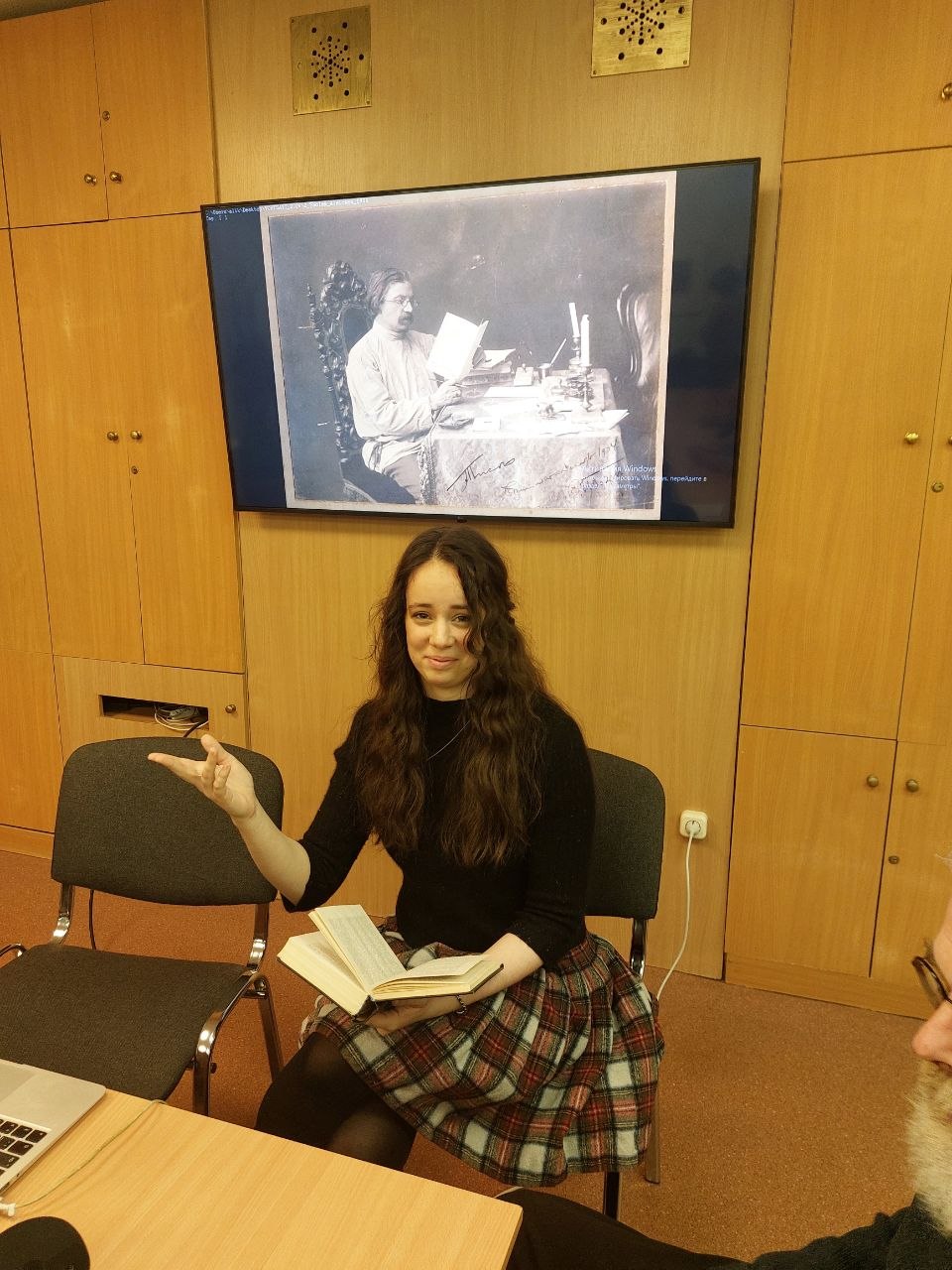
On April 26, 2026, the Jewish Community Center of St. Petersburg held an event dedicated to the 110th death anniversary of the Yiddish classic writer Sholem Aleichem. The program included recitations of Sholem Aleichem’s poetry and prose in the original and in Russian translations, listening to the famous writer’s recorded voice, and talks about his lasting legacy in connection to the city.

From 1912 to 1914, S. An-ski (Shloyme Zaynvl Rapoport) headed Jewish ethnographic expeditions to the Pale of Jewish Settlement. A brief display of the expeditionary collection (about 800 items) opened in the former capital of Russia on April 19, 1914. The sound record played at the anniversary event was Sholem Aleichem’s short speech during his visit to this exhibition soon after its opening, presumably on May 14, 1914.

St. Petersburg is also the place where Sholem Aleichem had started his Yiddish writer’s career in 1883 by publishing his short story Tsvey shteyner (Two Stones) in Aleksander Zederbaum’s weekly Dos yudishes folks-blat. The original issues of the newspaper were presented at the event.

New Electronic Books from Birobidzhan

New Electronic Books from Birobidzhan

New Electronic Books from Birobidzhan

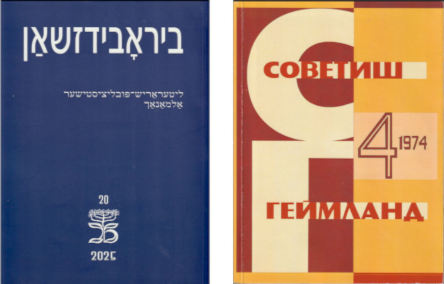
The 20th volume of the bilingual Yiddish-Russian almanac Birobidzhan is now available free of charge in an electronic form on the website dedicated to the historical and cultural legacy of Russia’s Jewish Autonomous Region. Another valuable electronic book free to download on the same site is Yoel Matveyev’s Russian translation of an entire issue of the magazine Sovetish Heymland of April 1974, dedicated to the 40-year anniversary of the Jewish Autonomous Region established on May 7, 1934.

A limited paper edition of the translation has recently been presented at the 5th annual Yiddish Festival in Birobidzhan. Russian readers will now be able, for the first time in history, to familiarize themselves with the legendary Soviet Yiddish monthly. The translation includes the original illustrations and is rendered in a style resembling the historical Yiddish edition.