Ester-Rokhl Kaminska’s Memoirs in English

Ester-Rokhl Kaminska’s Memoirs in English

Ester-Rokhl Kaminska’s Memoirs in English

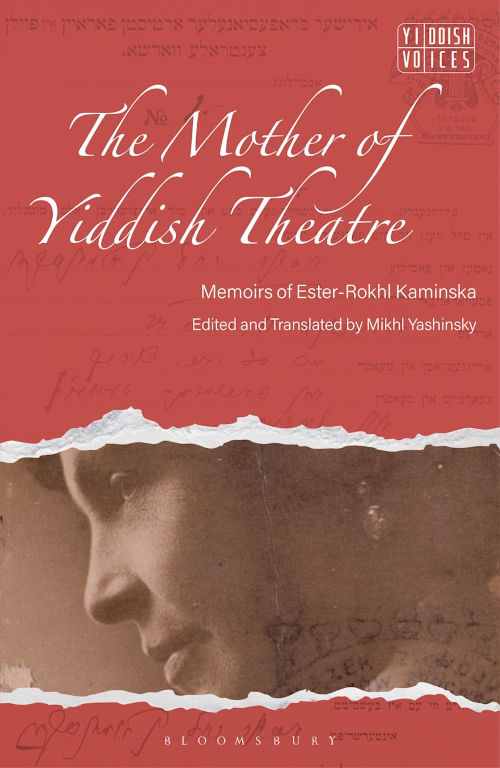
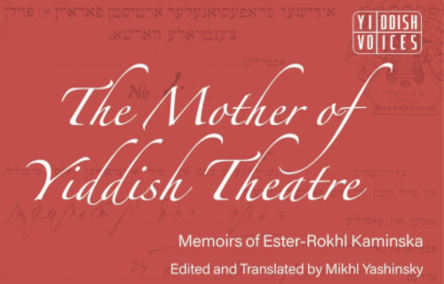
The memoirs of the pioneering Yiddish actress Ester-Rokhl Kaminska (1870–1925), have been for the first time published in English, translated by the actor and theater researcher Mikhl Yashinsky.

The original text of Kaminska’s memoirs appeared as a series of 32 publications in the Warsaw Yiddish newpaper Der Moment under the title “Derner un blumen: der veg fun mayn lebn – memuarn” (Thorns and Flowers: the Path of My Life – Memoirs). As Yashinsky explains in his detailed introduction, Ester-Rokhl Kaminska is known today as the mother of Yiddish theater for a number of reasons: her husband Abraham Isaac Kaminsky was the founder of the first professional Jewish theater in Poland, where her most prominent role was in the play Di Mame (The Mother). She was also the mother of another famous Yiddish actress, Ida Kaminska (1899-1980).

The actress managed to write her intimate self-portrait while suffering from cancer. The memoirs appeared in Der Moment after her death. They also provide a unique glimpse into the everyday life of working Jewish women of the late 19th and early 20th century.

Shtetl on Fontanka

Shtetl on Fontanka

Shtetl on Fontanka

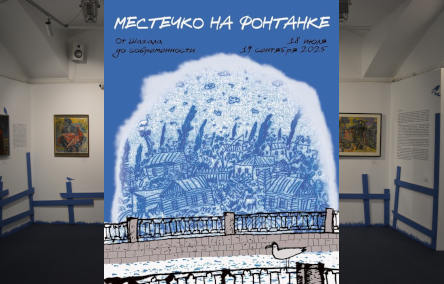
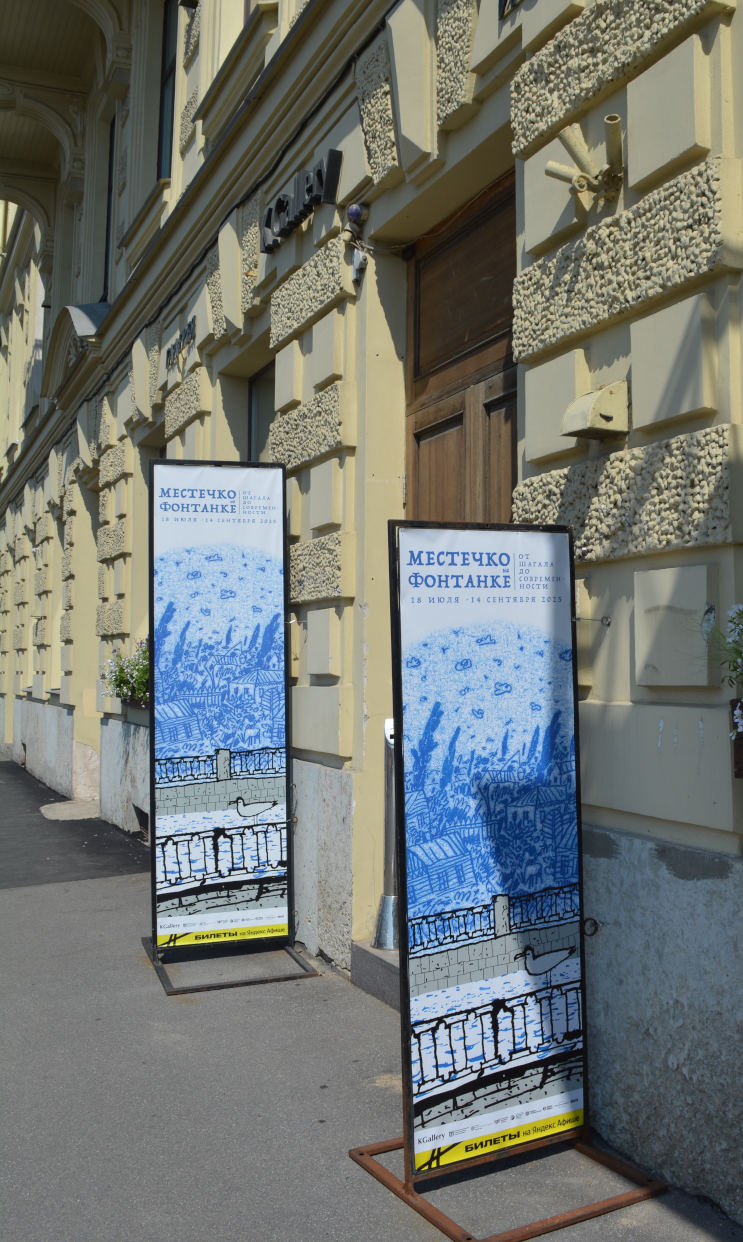
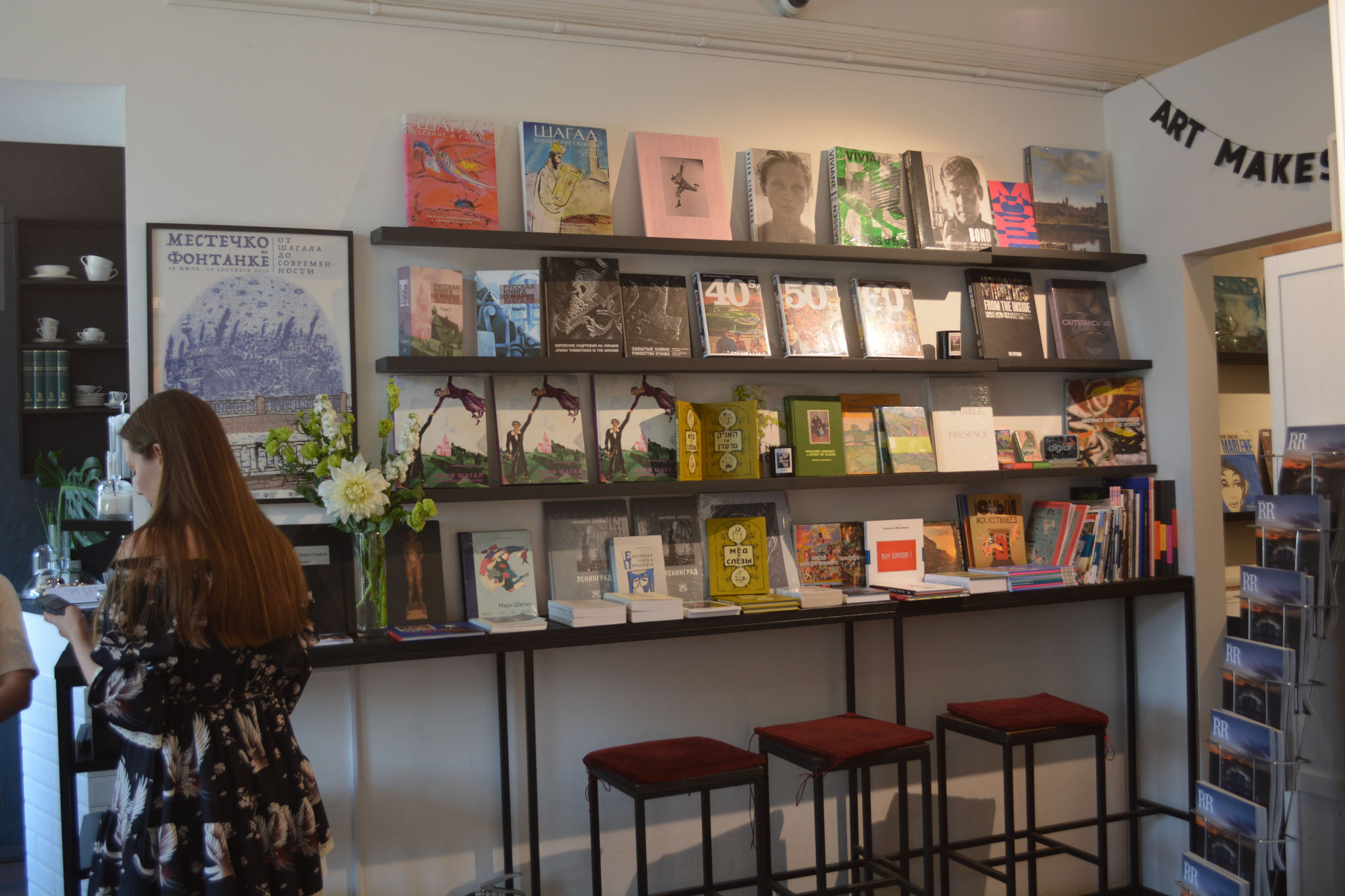
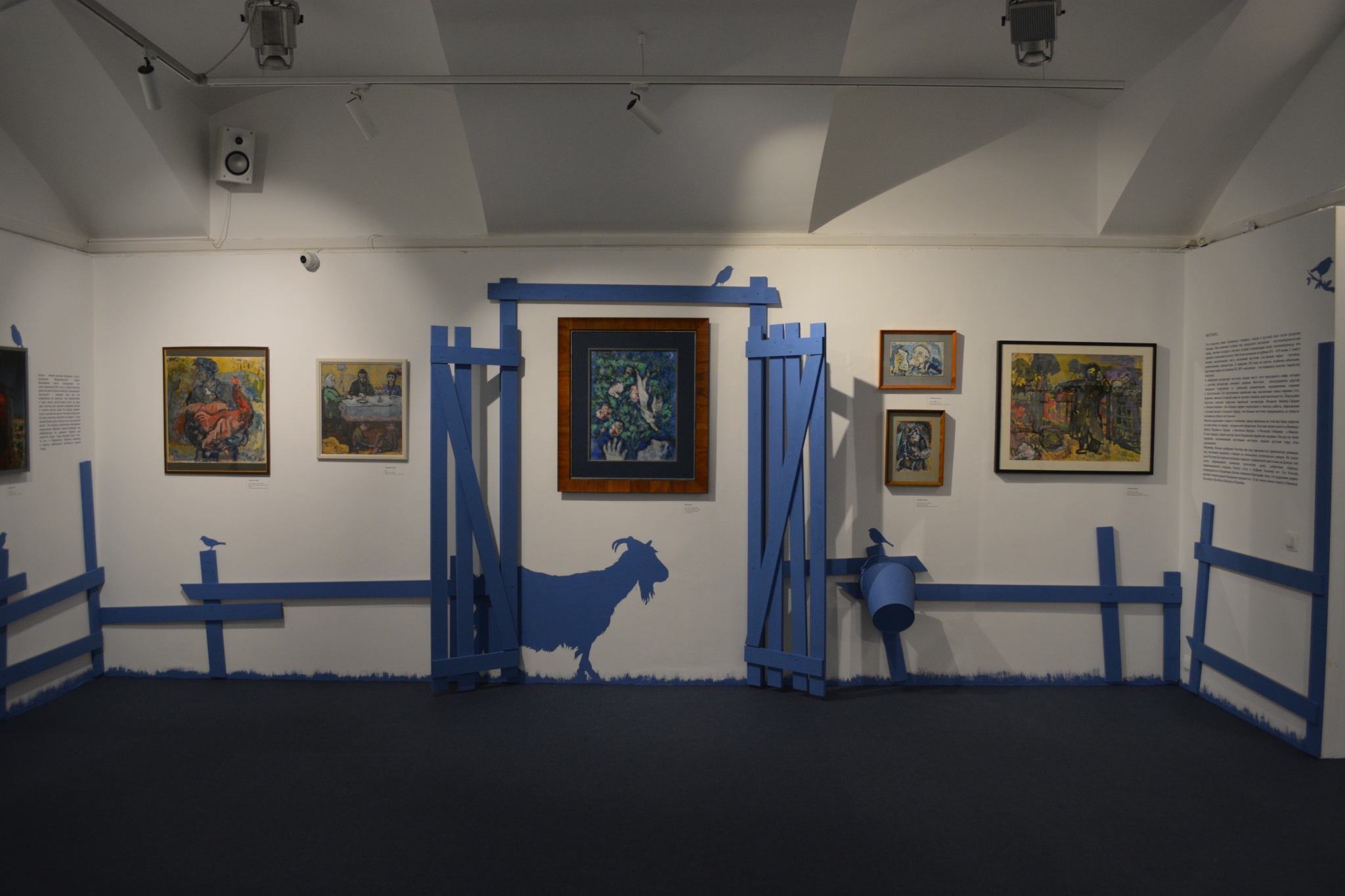
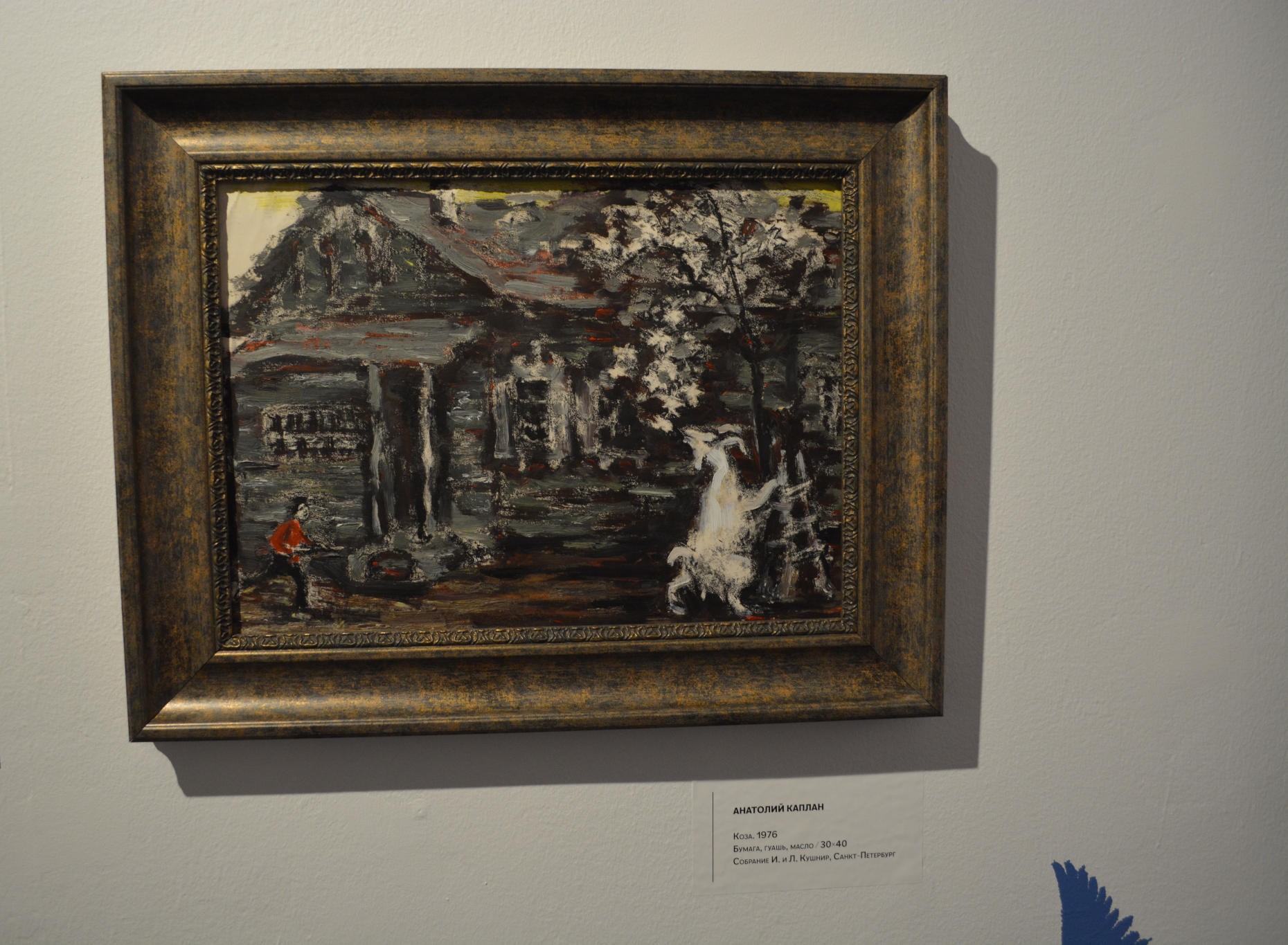
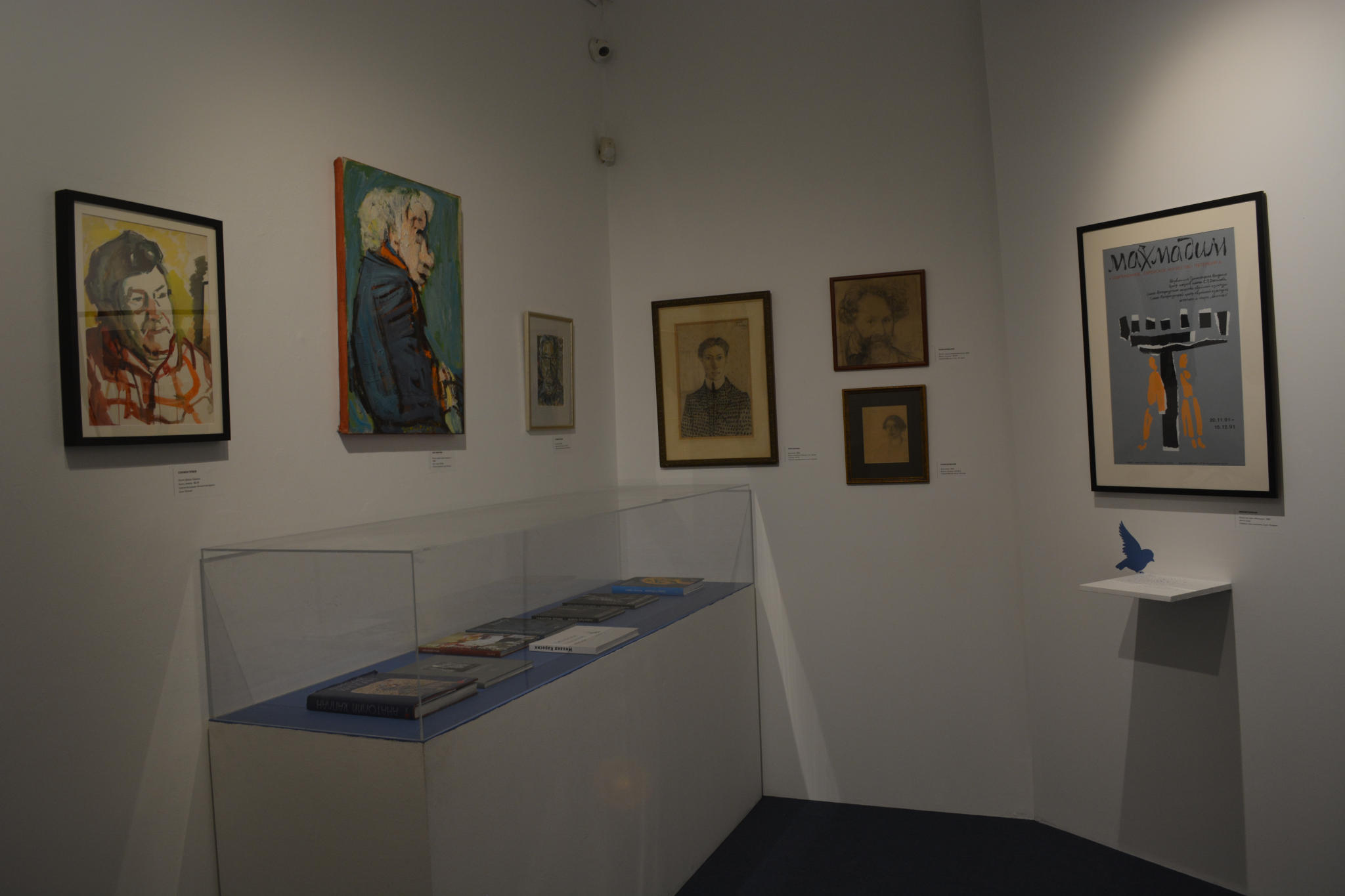
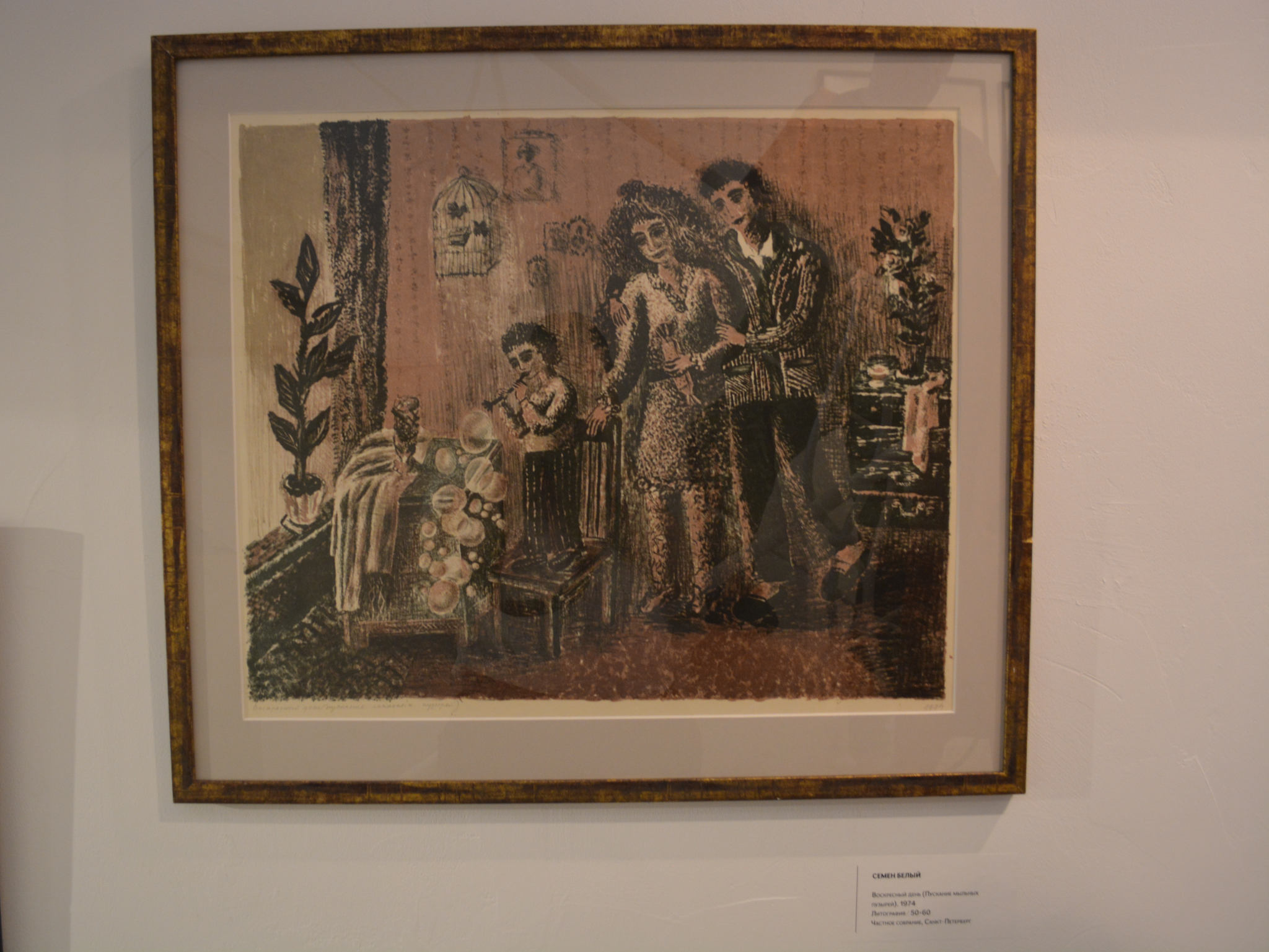
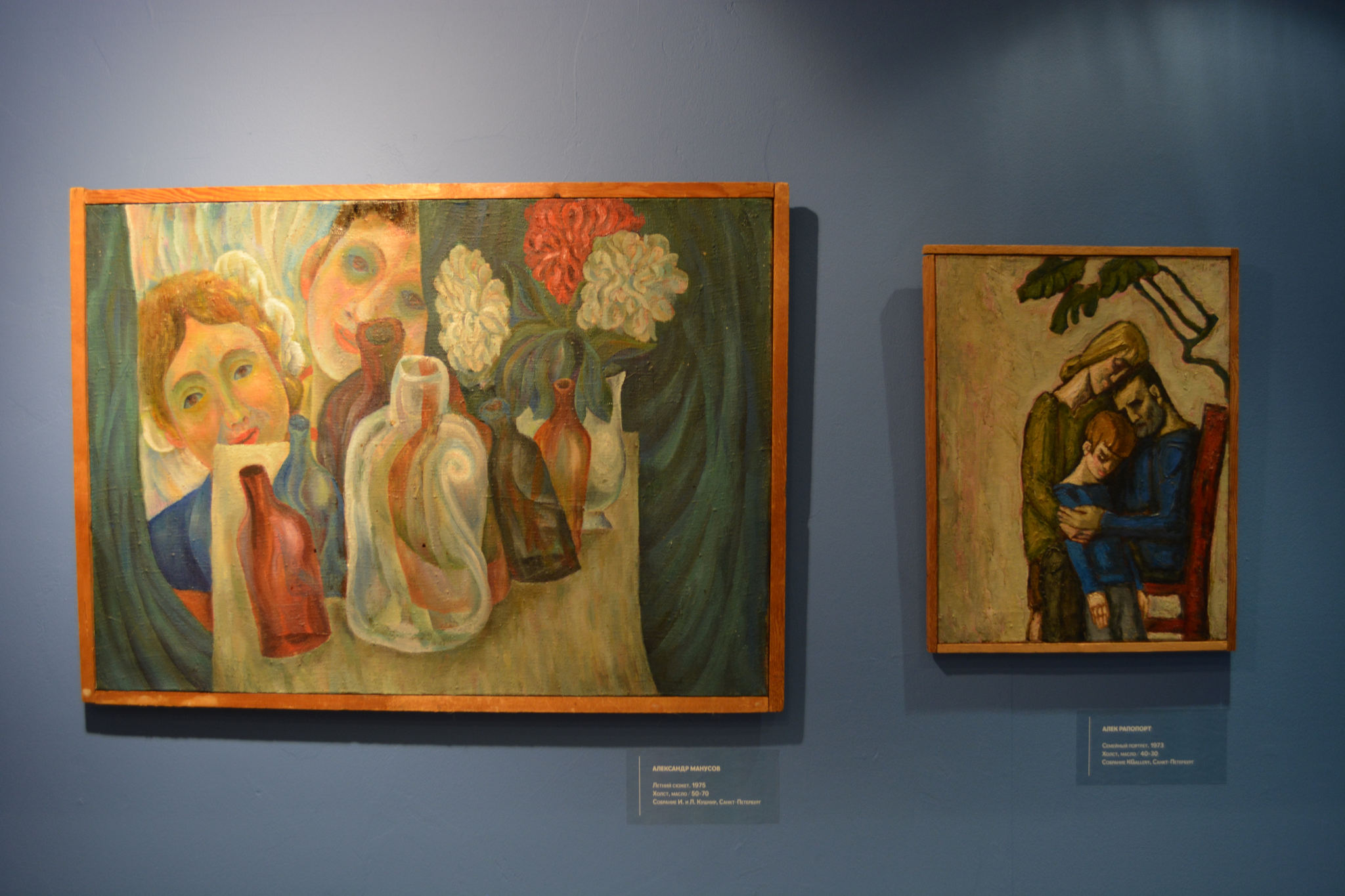
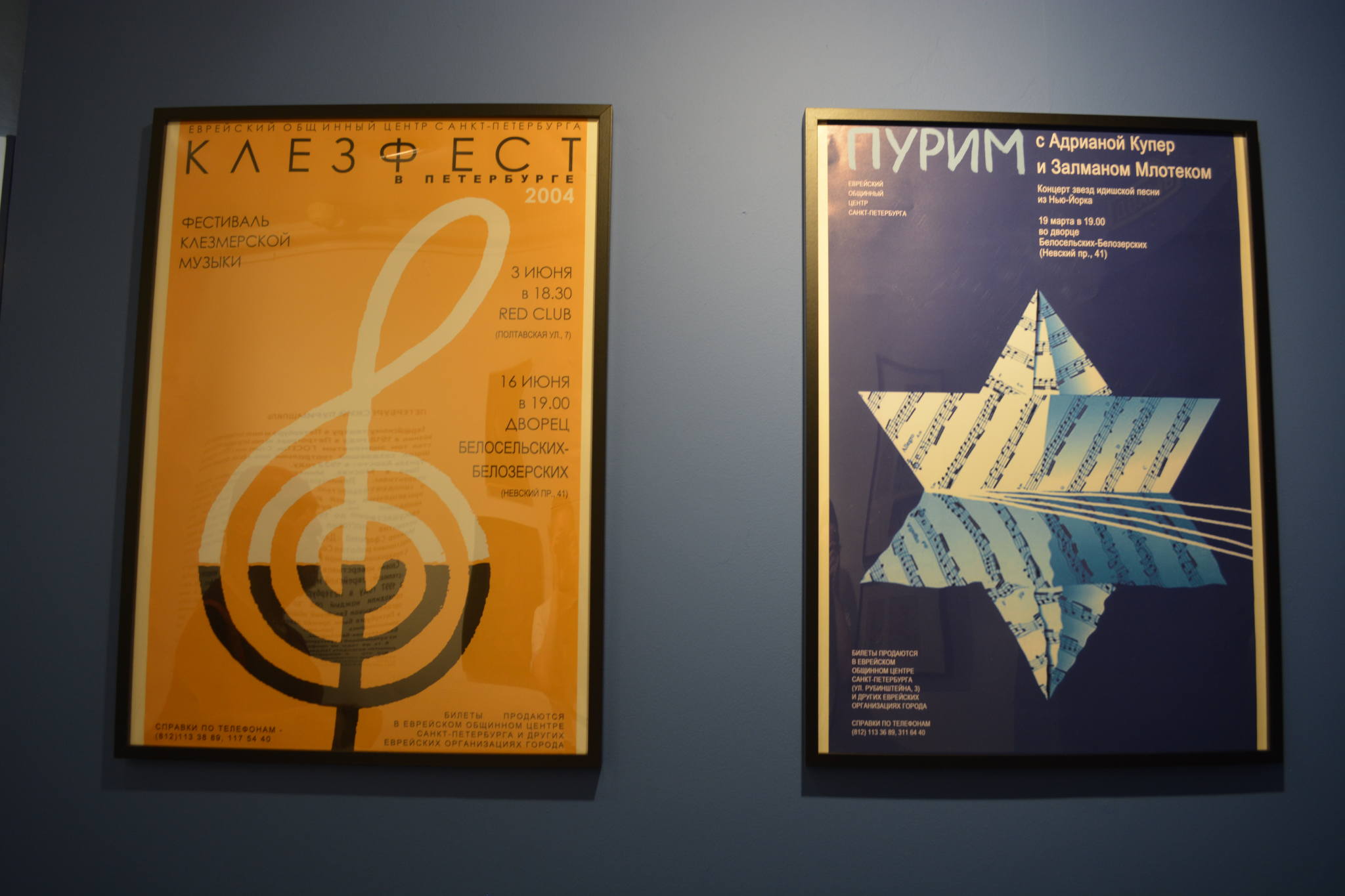
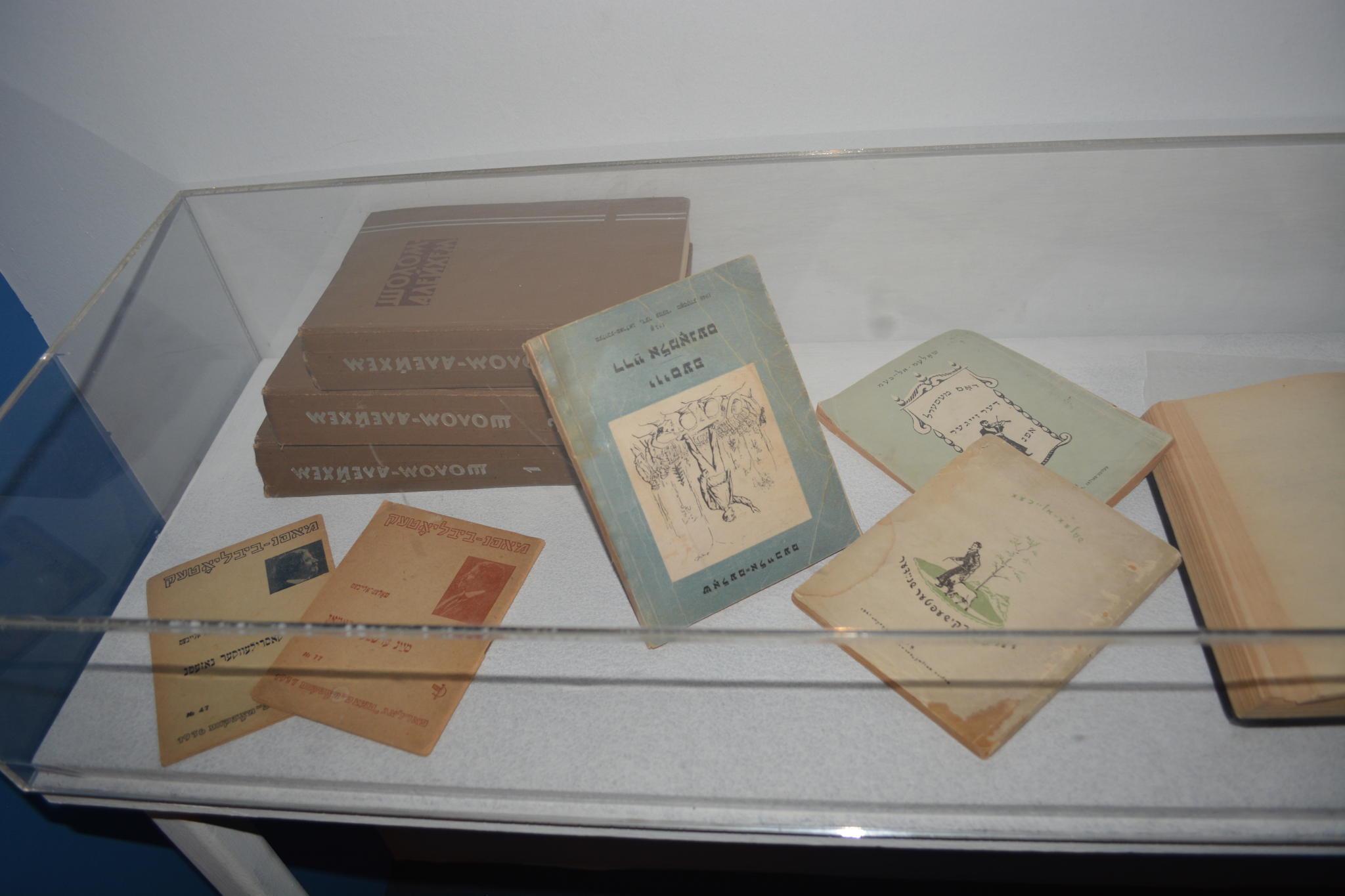
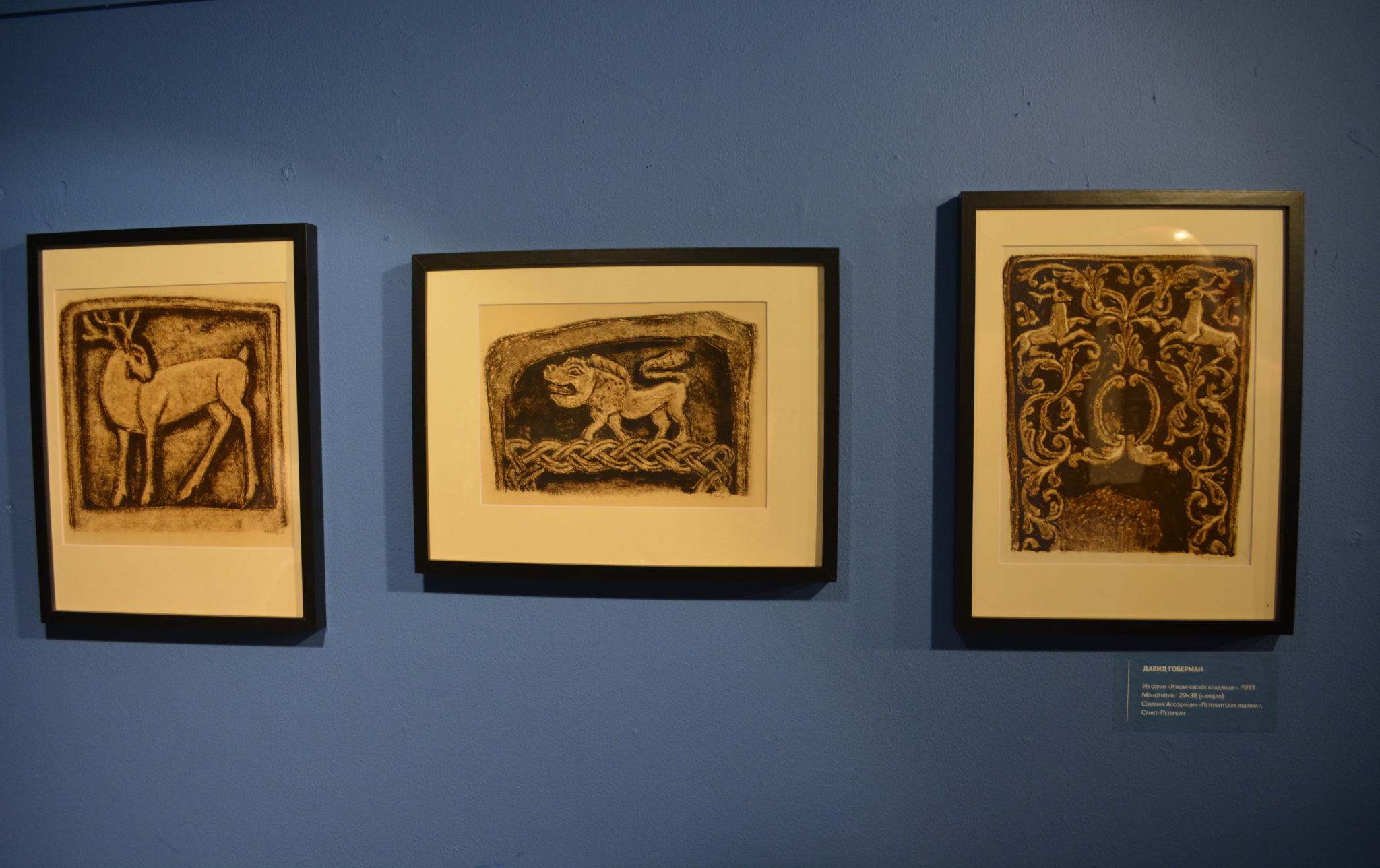
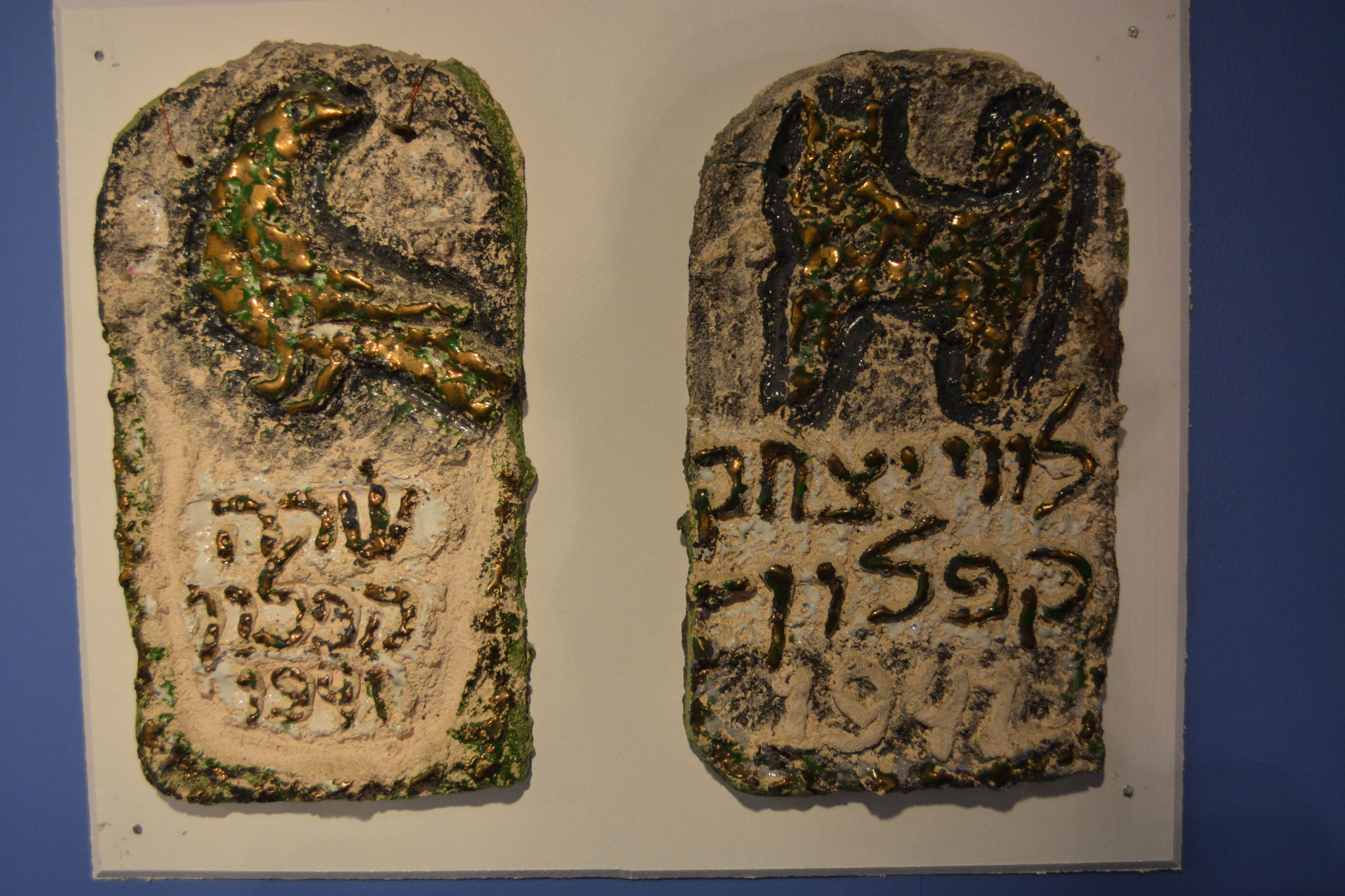
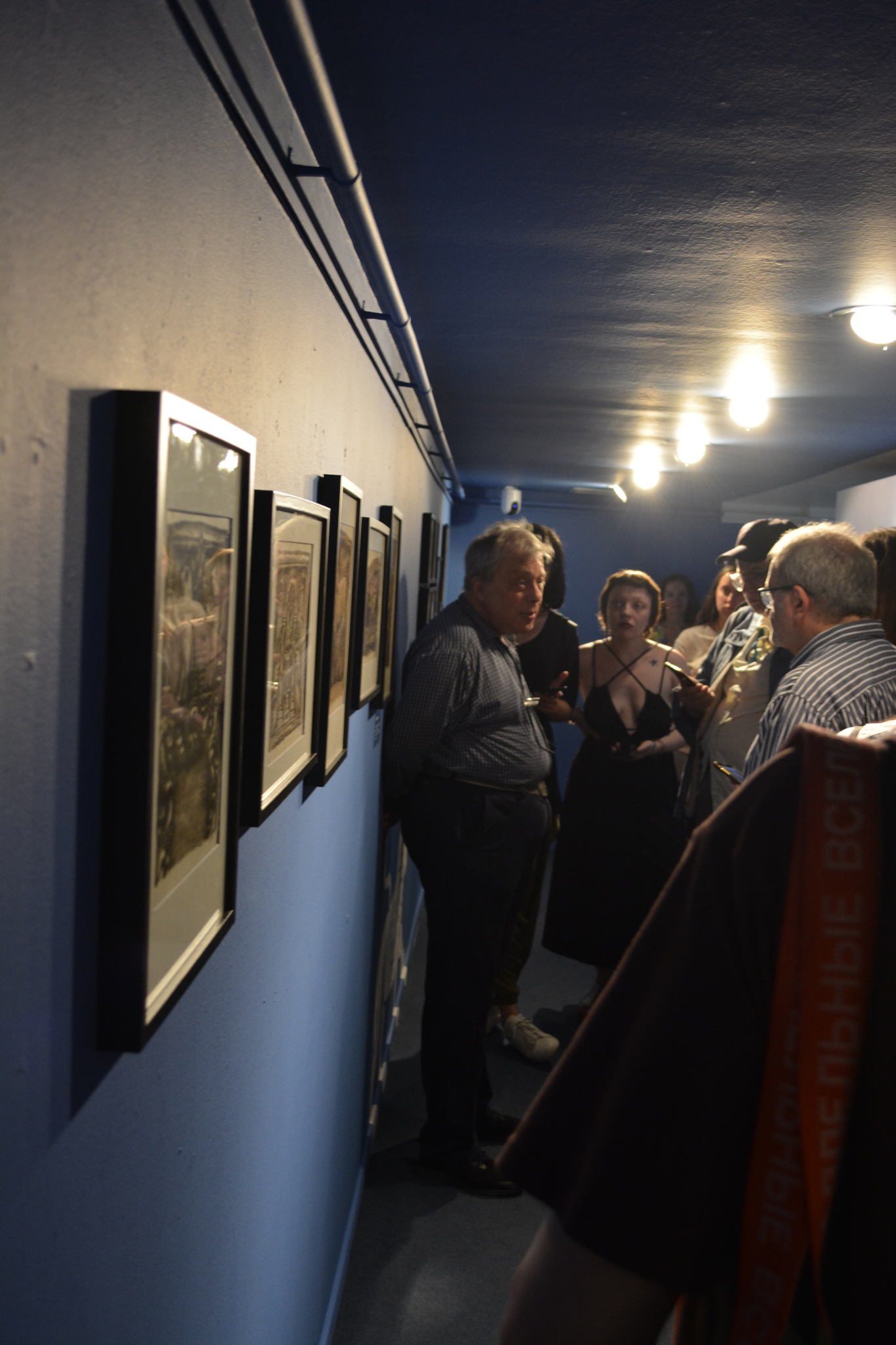
On July 17, 2025, the exhibition “Shtetl on Fontanka. From Chagall to the Present” opened at the KGallery in St. Petersburg. It is dedicated to Jewish artists whose life and work are closely connected to St. Petersburg. Fontanka is one of the city’s rivers. The project’s curator is Dr. Valery Dymshits, a folklorist and scholar of Yiddish literature. The conceptual design of the exhibition was created by the theater artist Valery Polunovsky.

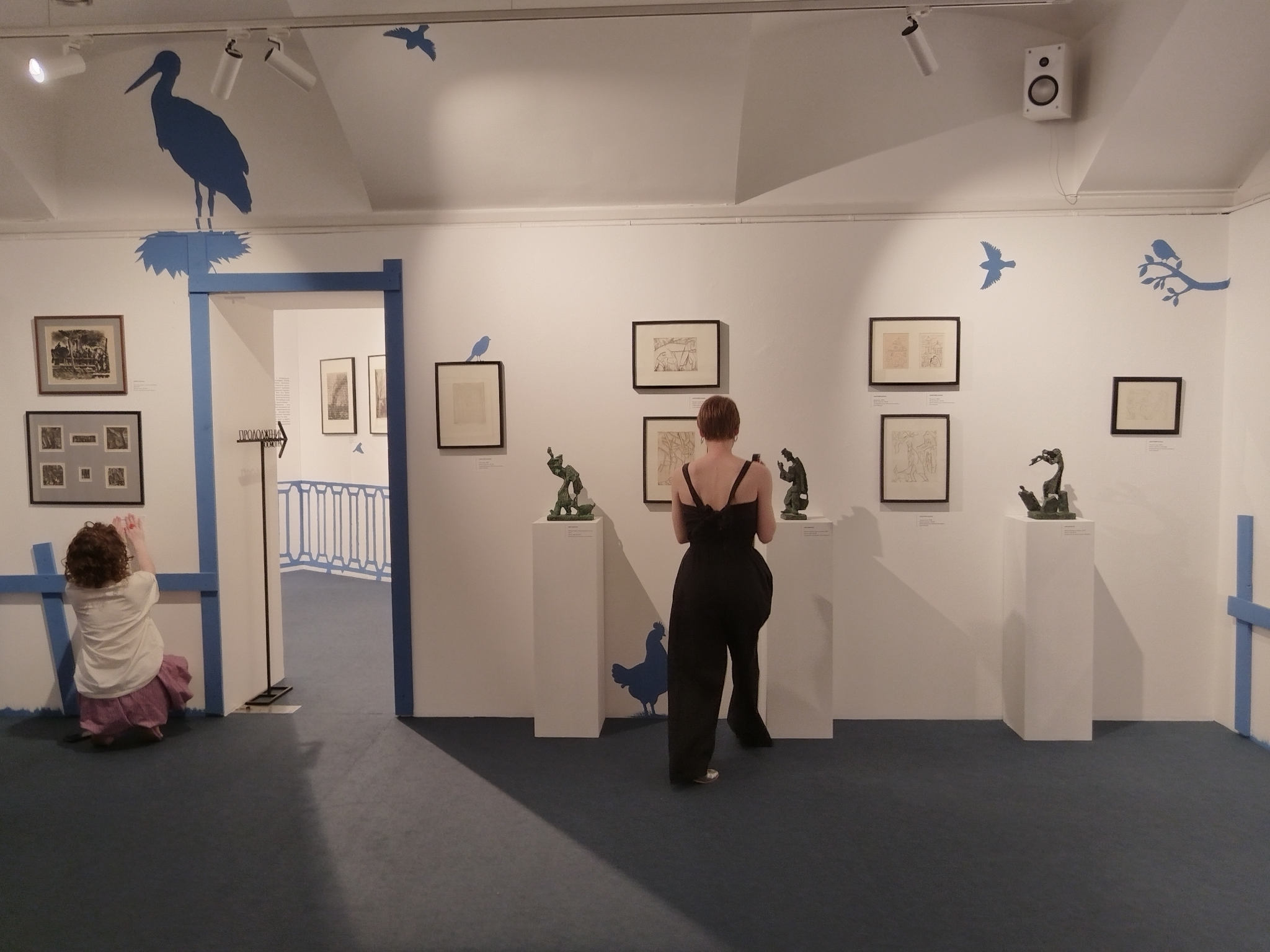
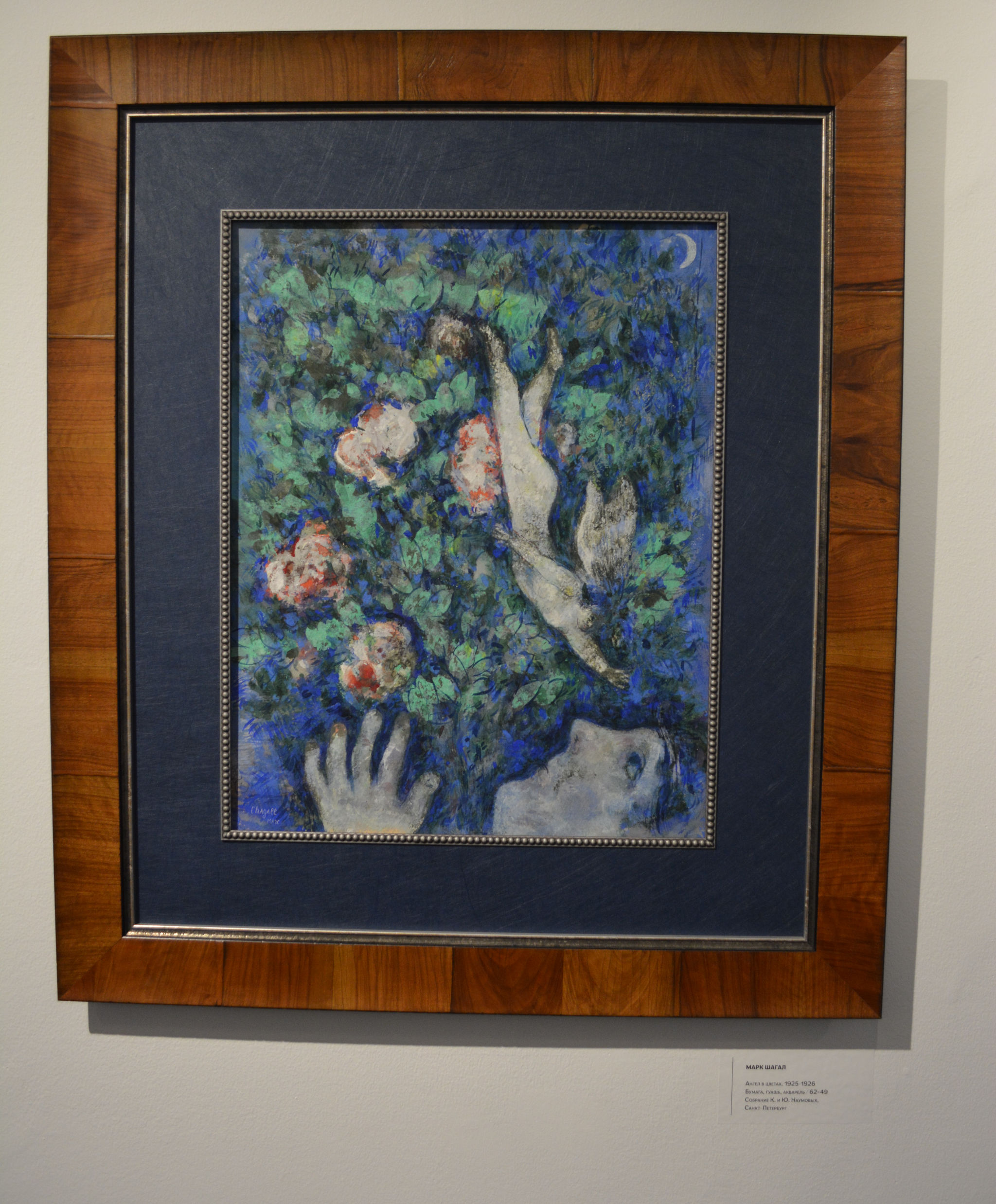
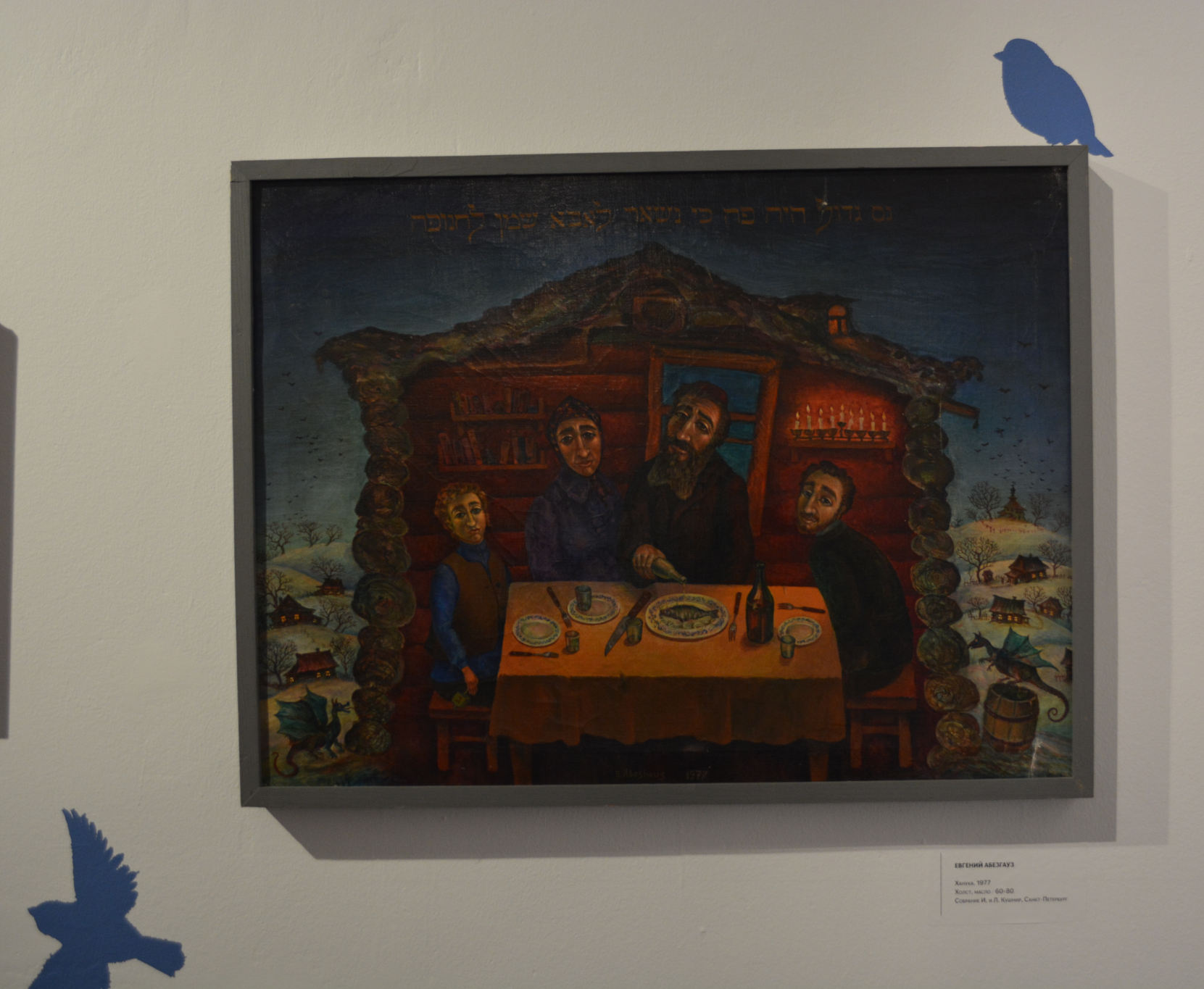
The large three-story exhibition, consisting of seven thematic sections, is permeated with the history and culture of Eastern European Jews. A significant part of the exhibits is directly or indirectly related to Yiddish. For the first time, the works of four generations of Jewish painters, graphic artists and sculptors who worked over the past 150 years in St. Petersburg (historically also known as Petrograd and Leningrad) were brought together. 24 artists are presented in total, from Isaac Asknaziy to Marc Chagall, Nathan Altman, Solomon Yudovin, Anatoly (Tankhum) Kaplan and many other world famous masters.

Visitors who come to the exhibition find themselves in an imaginary Jewish shtetl, as the artists viewed their home city, Leningrad, and get acquainted with the religious traditions of Judaism, Jewish theater, folklore, modern interpretations of Jewish folk art. The presented works allow us to view the city’s Jewish art as a coherent integral cultural phenomenon.

The exhibition is opened until September 14. The editor-in-chief of our website, writer and journalist Yoel Matveyev, attended the press premiere inauguration of the exhibition with the photojournalist Svetlana Smaznova.

Credit: Yoel Matveyev and Svetlana Smaznova

Mieczysław Weinberg’s Yiddish Songs in Nizhny Novgorod

Mieczysław Weinberg’s Yiddish Songs in Nizhny Novgorod

Mieczysław Weinberg’s Yiddish Songs in Nizhny Novgorod

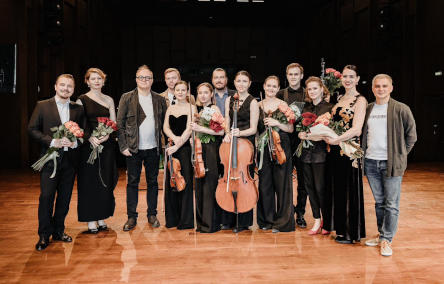
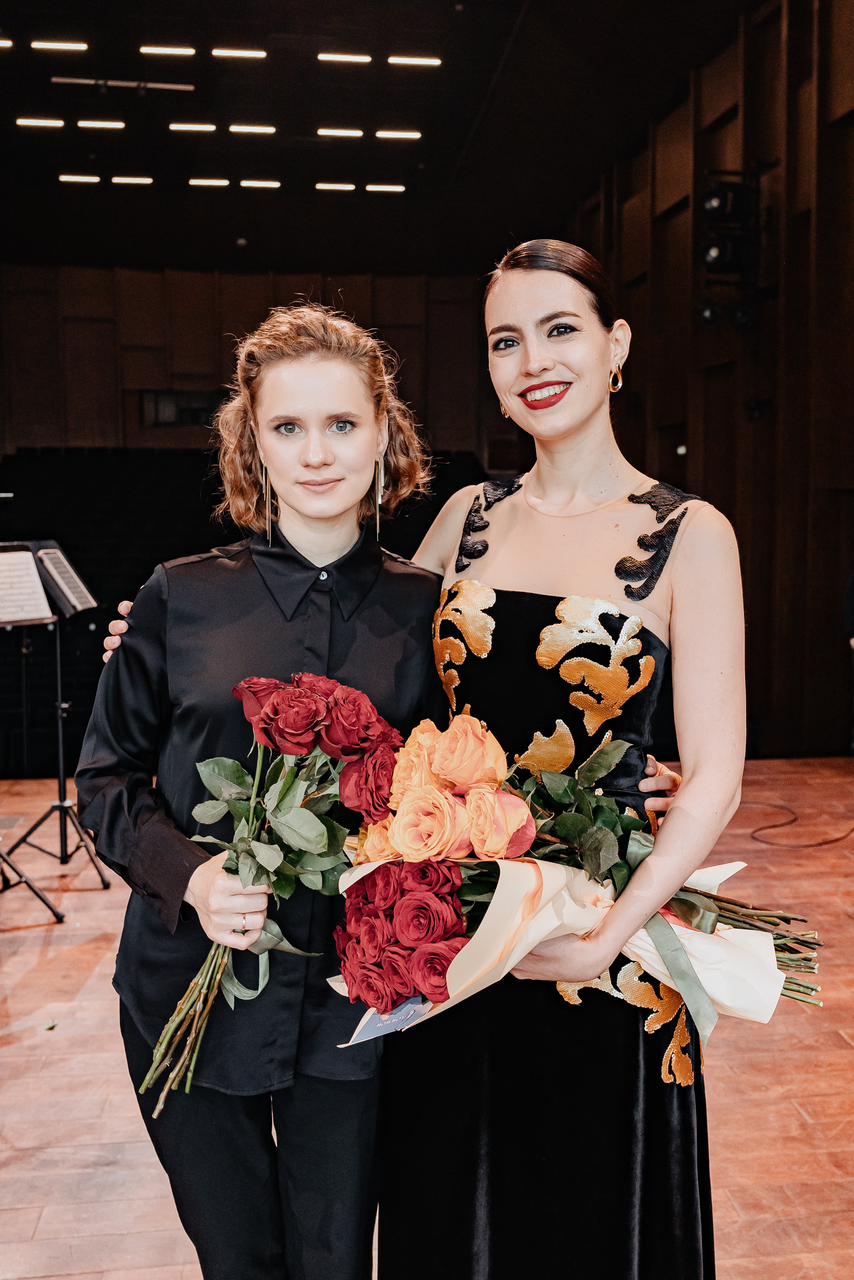
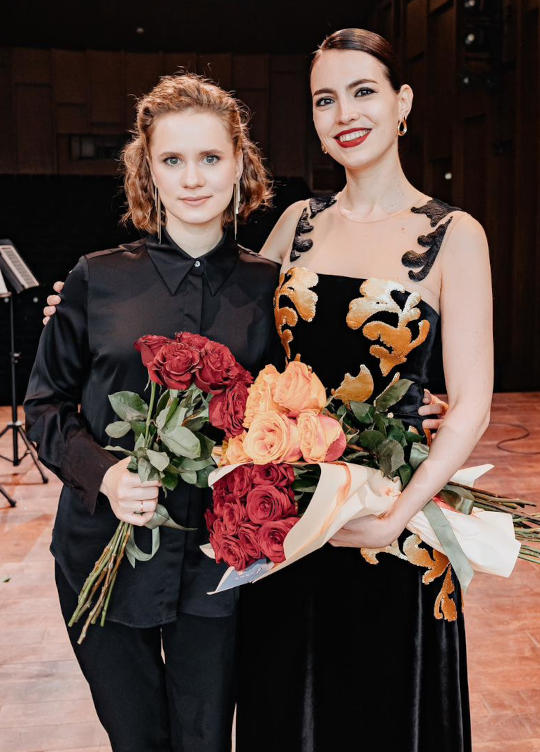
Sofia Zhurkina (left) and Anastasia Djilas
Credit: Anastasia Konovalova

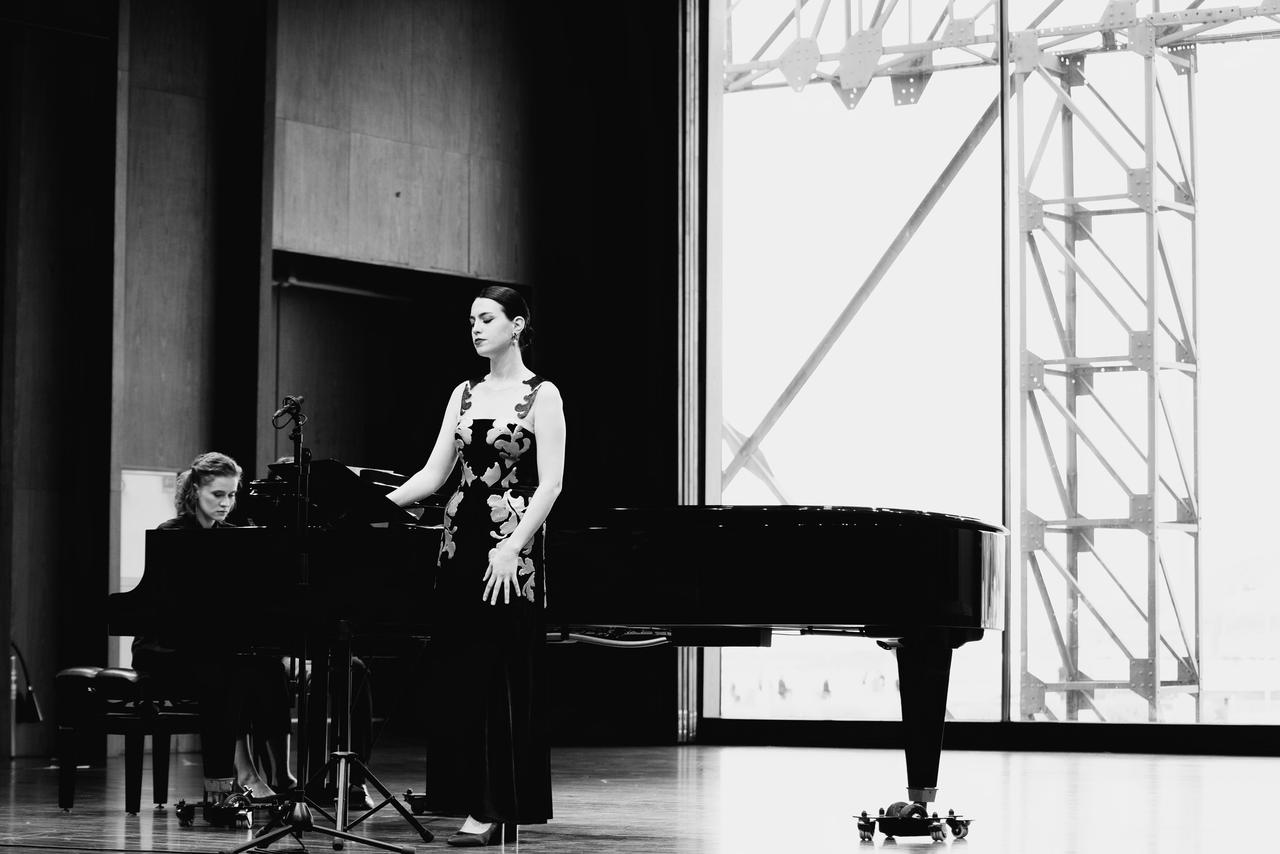
On June 22, 2025, honoring the 80-year WWII Victory anniversary and commemorating the beginning of the Nazi invasion in the USSR, a memorial concert was held at the Nizhny Novgorod Opera and Ballet Theater (Russia). It included works by Boris Tchaikovsky, Dmitri Shostakovich and two cycles of Jewish songs by Mieczyslaw Weinberg, op. 13 and op. 17, performed in Yiddish by tenor Sergei Pisarev and soprano Anastasia Djilas.

Moishe (Mieczyslaw) Weinberg (1919 – 1999) was one of the greatest Soviet composers who authored 26 symphonies, 7 operas and many other musical works. However, only in his two cycles of Jewish Songs, created in 1943 and 1944, he explicitly turns to poetic works written in his native language, Yiddish. Opus 13 is based on the First World War poems by the Yiddish classic poet Yitskhok Leybush Peretz. Opus 17, full of the tragedy and heroism of WWII, is based on the wartime poems of the famous Soviet Yiddish poet Shmuel Halkin (1897 – 1960). Researchers note that both vocal cycles are deeply interconnected.

Anastasia Djilas, a graduate of the Moscow State Conservatory, a soloist of the Nizhny Novgorod Opera and Ballet Theater since 2022, brilliantly performed Weinberg’s cycle of six song based on Halkin’s poems, accompanied by Sofia Zhurkina on the piano. The performance was accompanied by subtitles with a literary Russian translation, which were prepared specially for this concert by the Yiddish and Russian poet Yoel Matveyev based on a draft version by the musicologist Evgeny Khazdan. Sergey Pisarev performed Weinberg’s Opus 13 with the pianist Lyudmila Gorokhova.

Yiddish performances have already become a tradition at the Nizhny Novgorod Opera and Ballet Theater, which in November 2023 held a concert called Menorah Music, where the Yiddish song “Makh tsu di eygelekh” (“Close Your Little Eyes”) was performed by Anastasia Djilas as an encore. Two tragically murdered authors, the poet Isaiah Spiegel and the composer David Beigelman, wrote it in the Lodz ghetto after the children imprisoned there were deported to a death camp.

It’s worth a note that Mieczyslaw Weinberg’s parents also died in a concentration camp: the Yiddish theater composer Shmuel Weinberg and the Yiddish actress Sonya (Surah-Dvoirah) Weinberg. His 1944 Jewish Songs based on Halkin’s poems are both the composer’s personal requiem and a hymn to the then soon-to-be expected victory.
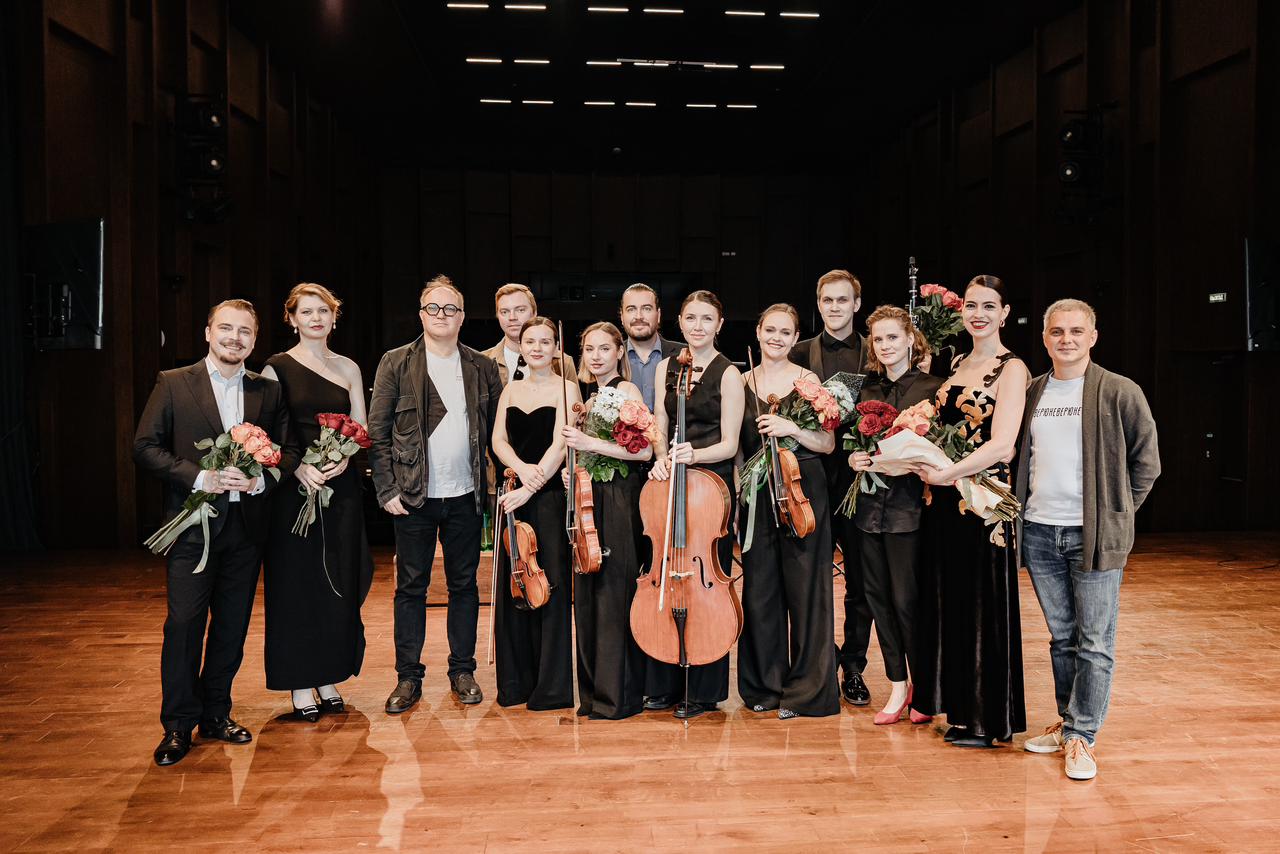
Credit: Anastasia Konovalova

Sholem Aleichem Monument: 2 Years

Sholem Aleichem Monument: 2 Years

Sholem Aleichem Monument: 2 Years

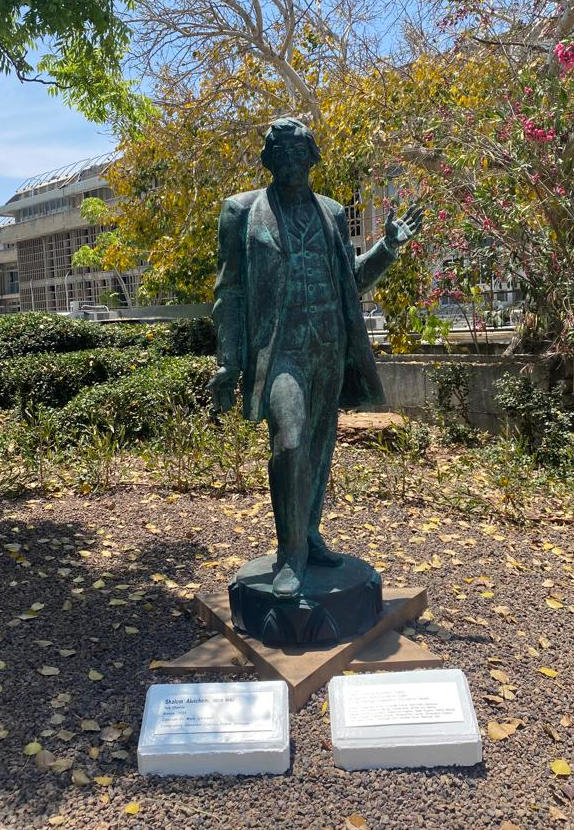
On June 6, 2023, two years ago, a statue of the great Yiddish writer Sholem Aleichem was erected at Tel Aviv University. We are happy to inform our readers about this anniversary.
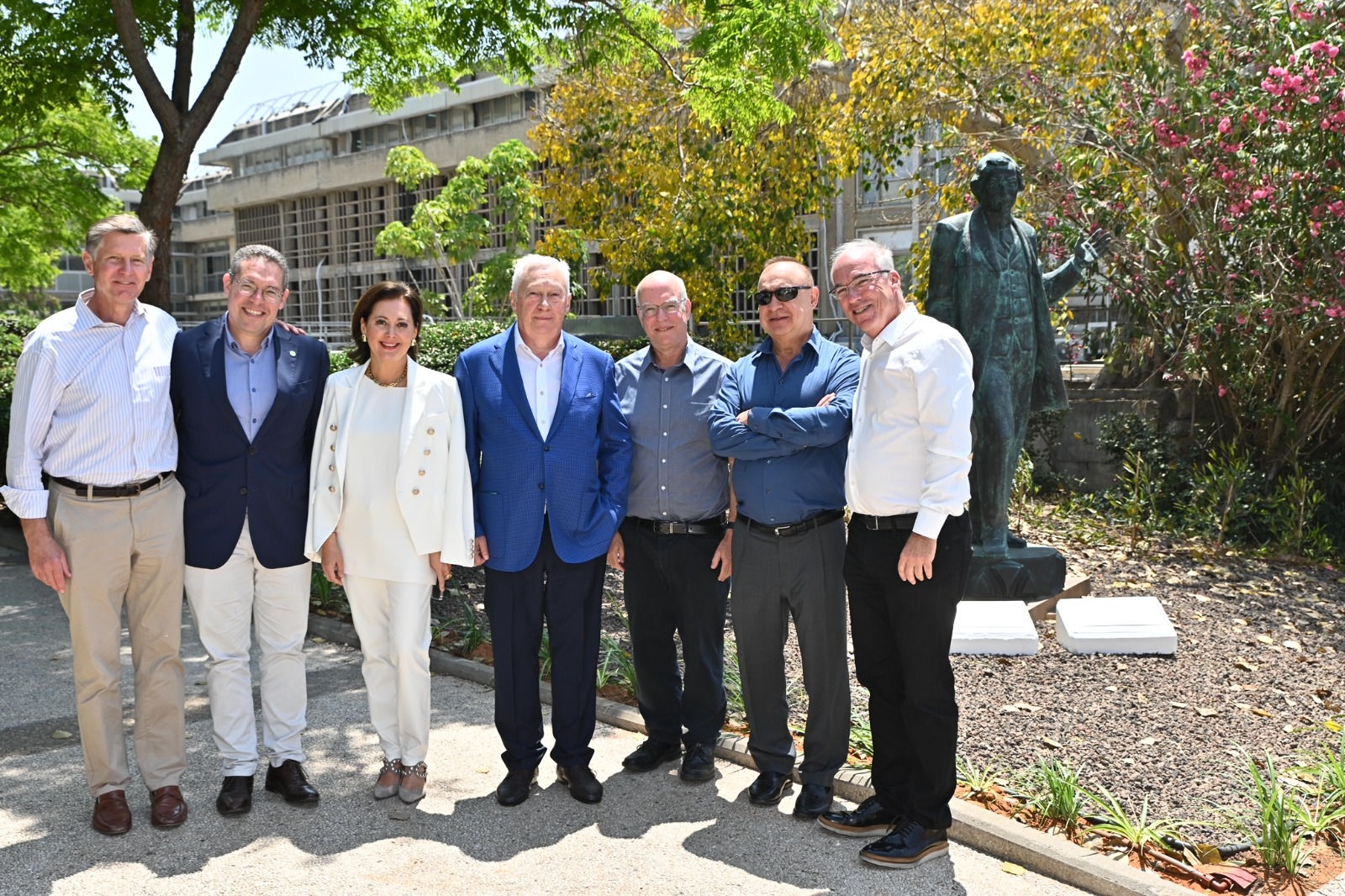
The creation of this monument by the renowned Soviet and Russian sculptor Yuri Chernov (1935 – 2009) and its installation at Tel Aviv University’s campus had been initiated by our website’s founder, Dr. Mark Zilberquit. The sculptor’s grandson, philanthropist and businessman Alexander Chernov, played an important role in this project.

The installation of Sholem Aleichem’s statue signaled the beginning of new studies of Yiddish language and culture under the guidance of Tel Aviv University’s professors who also organize, besides regular classes, annual festivals celebrating their students’ academic achievements. These ongoing scholarly and cultural activities were made possible in 2023 thanks to two charitable foundations, The Heritage Projects Foundation (USA) and Yiddish Heritage Preservation Foundation (Israel). The studies are supported by Mark and Julia Zilberquit Scholarship.

Peter Thoren, Amos Elad, Julia Zilberquit, Mark Zilberquit, Ariel Porad, Leonard Blavatnik, Avi Fisher.

 Pictures: Yuval Yosef

Boris Sandler Celebrates His 75th Anniversary

Boris Sandler Celebrates His 75th Anniversary

Boris Sandler Celebrates His 75th Anniversary

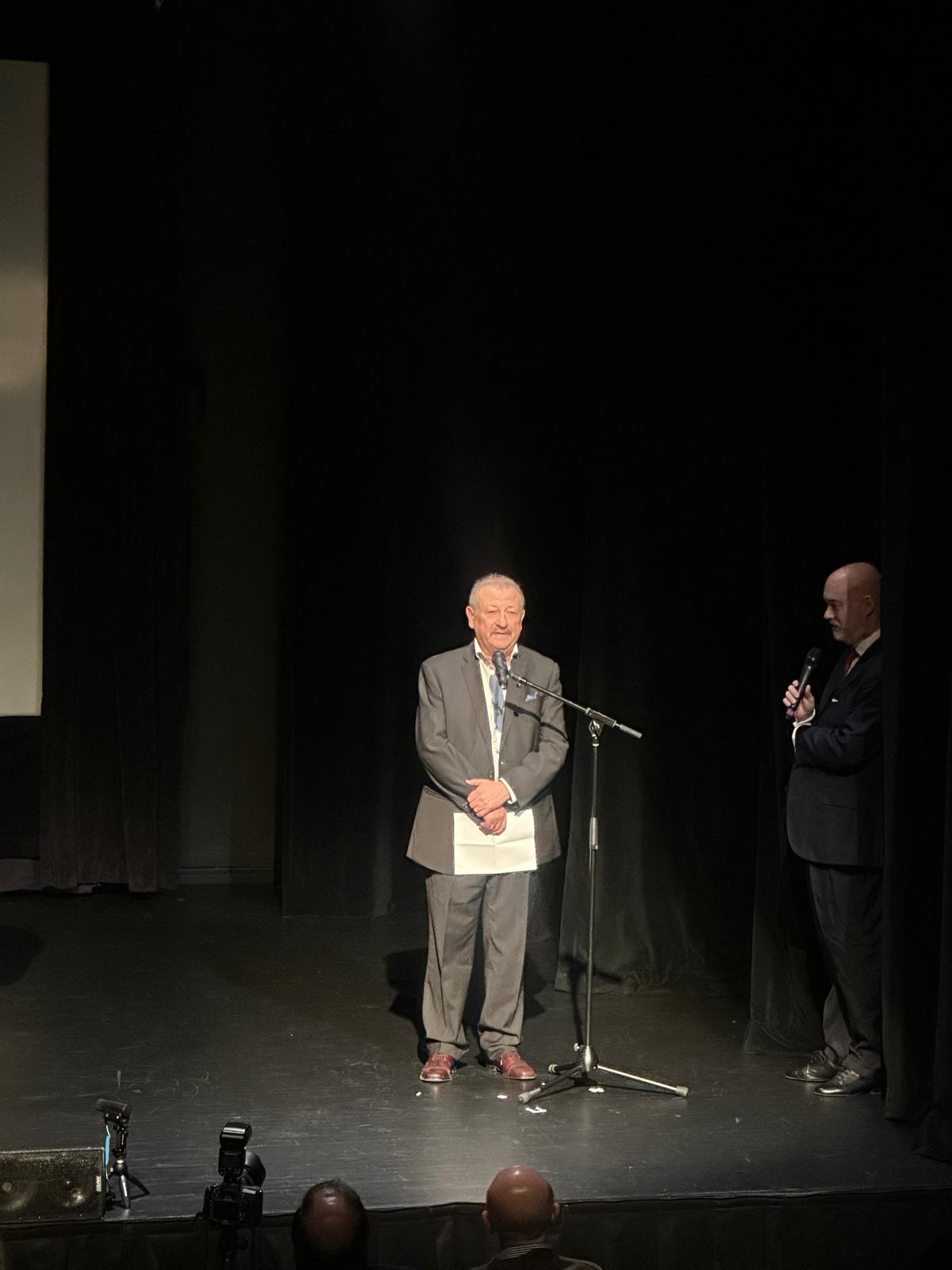
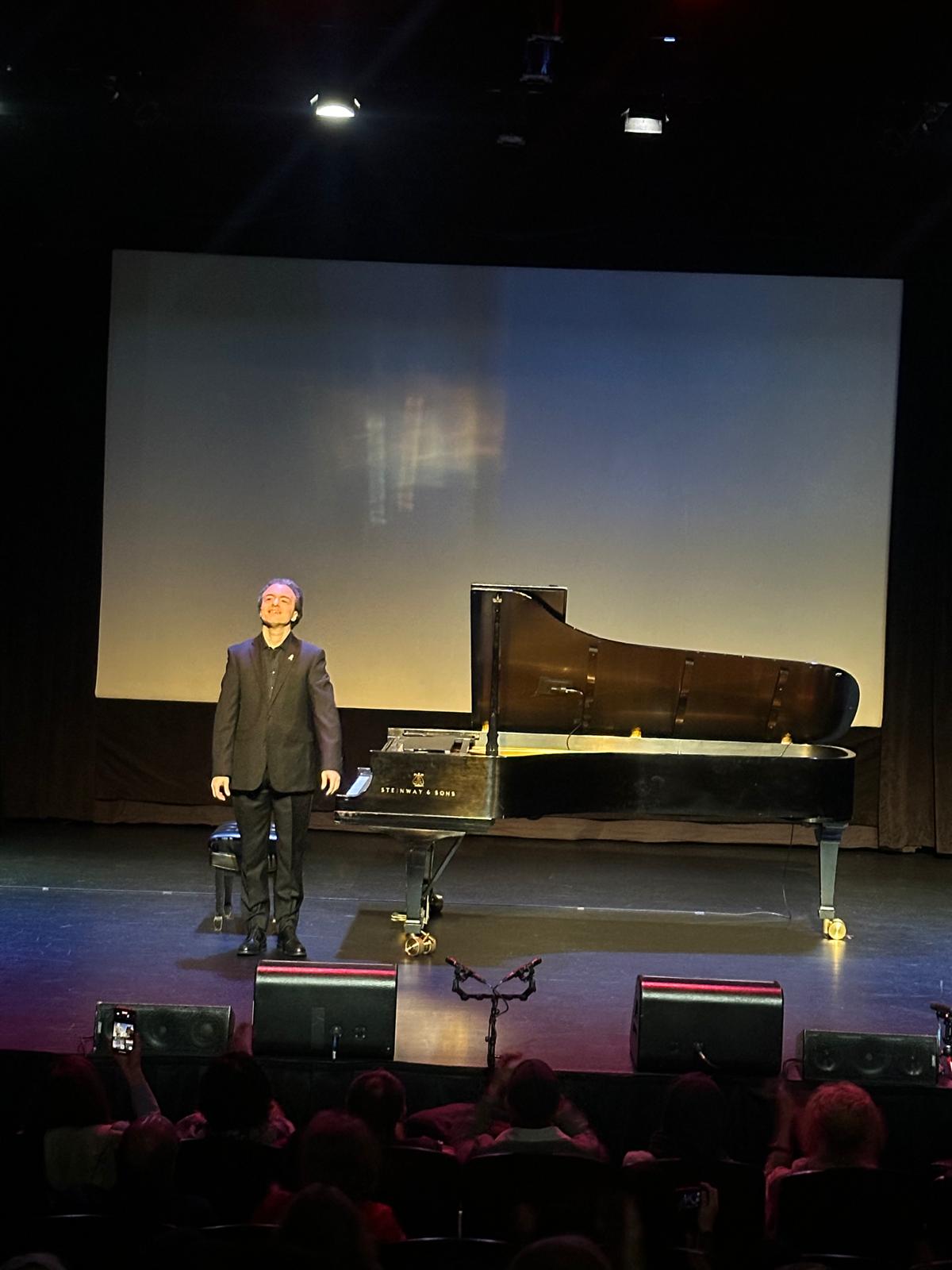
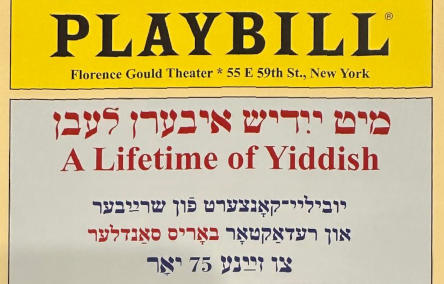
On May 22, 2025, New York’s Florence Gould Theater presented a concert dedicated to the 75th birthday of the award-winning Yiddish writer Boris Sandler, and to the 45-year anniversary of his writing career. The festive evening titled “Mit Yidish Ibern Lebn: A Lifetime of Yiddish” featured performances by the world renowned pianist Evgeny Kissin with two soprano singers, Susanna Phillips and Ekaterina Kapchits, in the world premiere of the vocal cycle for children “Shterndlekh mit mandlen” (Stars with Almonds). Other participants included the violin virtuoso Efim Zubritsky with Zisl Slepovitch’s Klezmer Trio, the actors Yelena Shmulenson with Allen Lewis Rickman, and others. The evening of songs, poetry and dramatic readings was hosted by the actor and playwright Shane Baker, the executive director of the Congress for Jewish Culture and one of the most prominent Yiddish activists in New York.

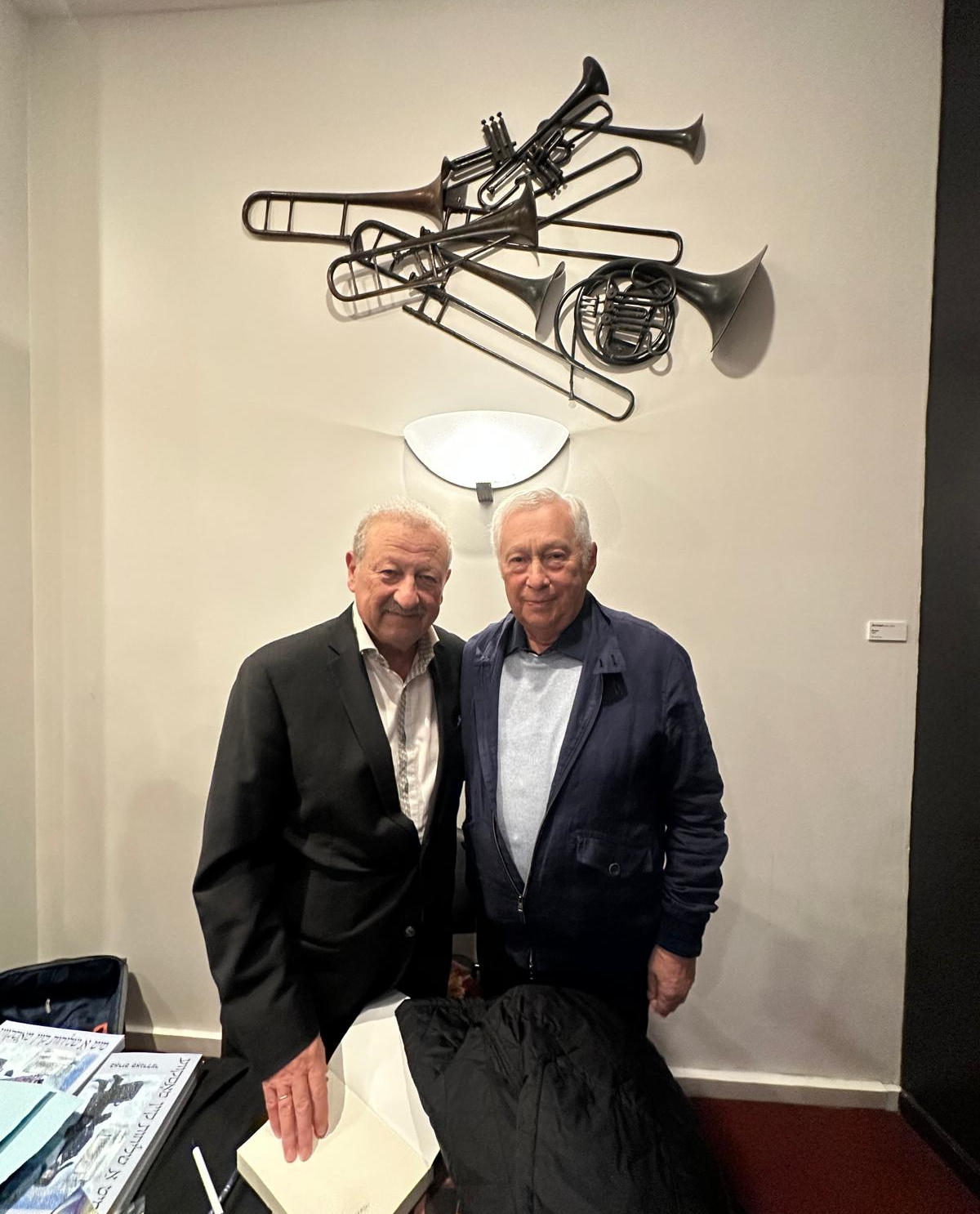
The founder of our project, Dr. Mark Zilberquit, also attended the concert. The anniversary’s star, Boris Sandler, wishes the best of luck in our activities of promoting Yiddish culture.

Sandler, who authored about two dozens of poetry and prose books, is himself no stranger to music. Born in 1950 in the Moldovan city of Bălți (known in Yiddish as Belts), he studied music at a conservatory and worked for a decade as a professional violinist. In 1981 he became one of the first Yiddish writers and poets to study Yiddish literature on a professional level at the Higher Literary Courses of the Gorky Institute in Moscow. Since 1998 he served as the head the Forverts, the world’s oldest Yiddish newspaper based in New York. Since 2017, Sandler, who remains one of today’s most prolific Yiddish writers, has been running the online literary magazine Yiddish Branzhe.

Blavatnik Archive: Individual WWII Experiences

Blavatnik Archive: Individual WWII Experiences

Blavatnik Archive: Individual WWII Experiences

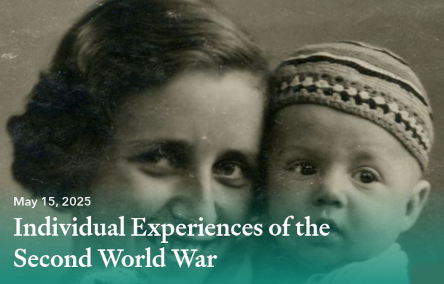
On May 15, 2025, celebrating its 20th anniversary, the Blavatnik Archive ran the program “Individual Experiences of the Second World War”, featuring letters between a young Soviet couple separated by the war, diaries of the Red Army soldiers and artists in the starving besieged city of Leningrad, and other intimate wartime documents. The event, held in the Academy Mansion, New York, included talks by four American historians.

The Blavatnik Archive was founded in 2005 as a non-profit foundation dedicated to preserving materials on 20th-century Jewish and world history. Much of its collections are written in or directly related to Yiddish. The archive continues its series of anniversary events, guided by the belief that its everyday records offer invaluable perspectives on the past. The public events are to highlight popular and personal artifacts — postcards, photographs, illustrations, letters, diaries and testimonies.